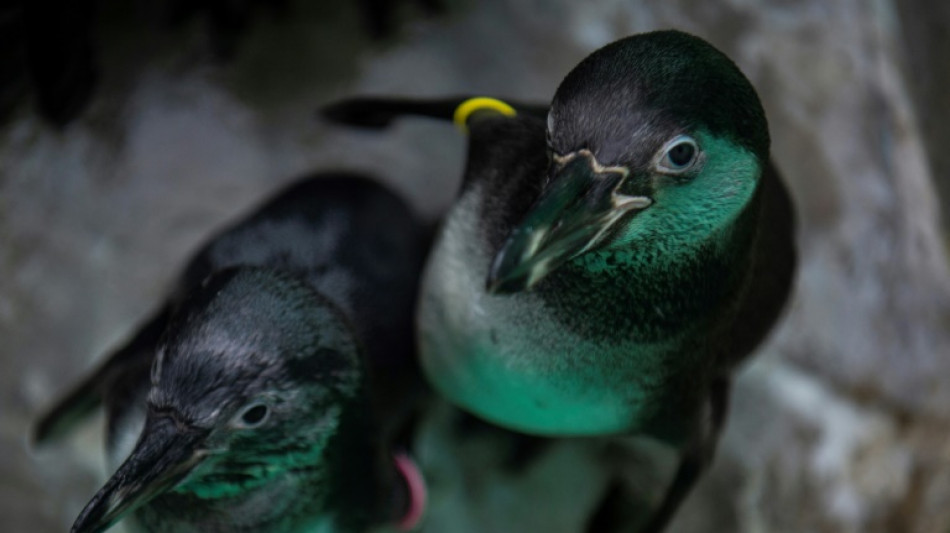
Round-the-clock care for Peru's oil-stained sea birds / Photo: ©

 Sao Tome voters want to stop exodus of 'neglected' youth
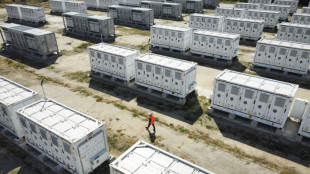 Bulgaria's battery boom pays off as drought hits power plants
 Mexican cartels target Australia with their African meth

 Swim sensation Yu, 13, set for Olympic take-off after golden Asian Games

 Ex-NFL star Brown to take plea deal in shooting case: lawyer

 Malaysia's migrant return plan chills Myanmar Rohingya

 Pakistan confirms Afghan strikes after resident says Kandahar hit

 Thousands missing, aid needs mount one month after Nepal's deadly floods

 Nepal flood victims look to PM Shah to press climate case at UN

 Trump admin says there were 8 suicide attempts on US aircraft carrier

 Iranian satire 'Head to Head' draws a veil over the men
 Archaeological 'breakthrough' could confirm origins of Paris

 Morocco elects new parliament with lowest turnout in nearly two decades

 LiberNovo Opens Business & Bulk Ordering Ahead of Its Fall Prime Sale

 Australian PM says OpenAI hacked government health website

 Xi arrives in US to personal Trump welcome

 Morocco elects new parliament amid social frustration, youth discontent

 Scheffler and Burns to face Im and Lee in Presidents Cup opener

 Crushing wins for Lyon and Barca in women's Champions League

 Rio breaks record for rainiest September amid powerful El Nino

 At UN, tech chiefs urge caution in AI development

 Russian strikes kill seven in Ukraine, Zelensky vows winter campaign

 Venezuelan shot by ICE needs urgent medical care, mother tells AFP

 Zelensky says Putin using fighters from 47 countries in Ukraine war

 Klopp calls on Germany to 'rise above ourselves' as new era begins

Hand fed fish and given gentle yet rigorous baths, penguins and other sea birds are slowly regaining their strength at a Peruvian zoo after a major oil spill that claimed many of their friends.
Of about 150 oil-stained birds rescued alive after the January 15 spill of some 12,000 barrels of oil, half later died.
The survivors -- penguins, cormorants and pelicans -- are being nursed back to health and independence at the Parque de Las Leyendas zoo in Lima.
With oil on their wings, birds cannot fly or feed, and they lose the insulation they need to keep warm.
Even birds not directly contaminated with crude fell ill or died after eating fish that were.
- 'Very stressed' -
At the zoo, the rescued birds are fed fish -- for the penguins it is their preferred prey of silverside and anchovies.
They are given a special rehydration mixture through a tube, bathed, and dried with a towel.
"Many of them arrived in very bad condition, which makes it difficult for us to handle them," said Giovanna Yepez, one of the rescuers at the zoo.
"The animals were very contaminated... were very stressed," she added. "It is a very hard job."
But after two weeks of intensive care, the penguins at least "have tripled their food consumption," said Yepez.
"I believe the penguins are on the right track, they are clean and waiting for the impermeability of their feathers to return so they can be released."
Even when the feathers appear clean, the slightest vestige of crude inside the beak "can affect (the bird) through the digestive system, the liver," added veterinarian Giancarlo Inga Diaz, hence the need for patience and thoroughness.
- 'Disaster' -
The spill, described as an "ecological disaster" by the Peruvian government, happened when an Italian-flagged tanker was unloading oil at a refinery off Peru's coast.
Spanish oil company Repsol said the tanker was hit by freak waves triggered by a tsunami after a massive volcanic eruption near Tonga, thousands of kilometers away.
The oil slick was dragged by ocean currents about 140 kilometers (87 miles) north of the refinery, prosecutors said, killing countless fish and birds, polluting tourist beaches and robbing fishermen of their livelihood.
The Humbold penguin -- a species classified as "vulnerable" by the International Union for Conservation of Nature -- lives in colonies on the Peruvian and Chilean coasts, feeding in the cold, nutrient-rich waters of the Humboldt Current which flows north from Antarctica.
Some 9,000 of the black-and-white flightless birds are known to exist in Peru.
They stand about 50 centimeters tall.
Peru has demanded compensation from Repsol for the spill at its refinery.
K.Thomson--BTB