Tunisians fear more economic pain as IMF talks loom / Photo: ©

 Asian allies stress 'critical cooperation' as Trump slashes Korea drills
 Williams sisters fall at Cincinnati while Zverev advances
 Transylvania's fortified churches face fragile future
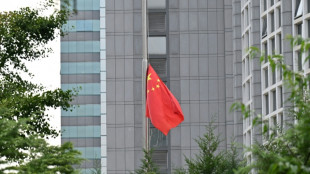 China mourns former premier Zhu Rongji with flags lowered, funeral

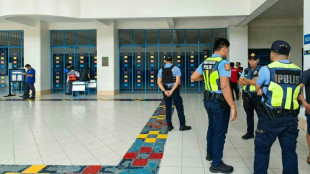 Philippine student killed in rare school shooting
 Arsenal primed for Premier League title defence as rivals face questions

 Zverev advances at Cincinnati while Williams sisters fall
 Copper powers profit rise at mining giant BHP
 Whales spark joy in New York but face threats from boat traffic
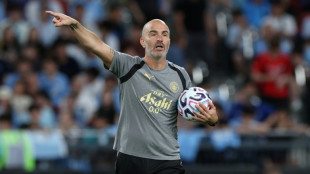 Premier League's new bosses brace for battle

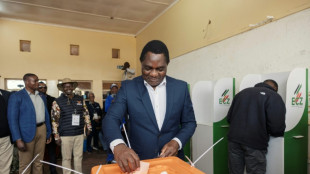
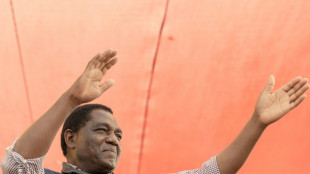 Zambia's Hichilema: 'cattle boy' and two-time president
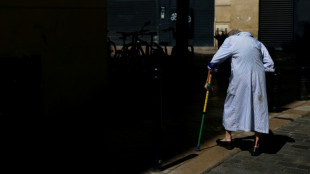 Elderly far more at risk from rising heat than thought: study

 Brazil's Lula hails new oil find as 'passport to the future'
 Rybakina slogs through double rain delays in Cincinnati win
 Two largest US reservoirs hit record lows amid western drought

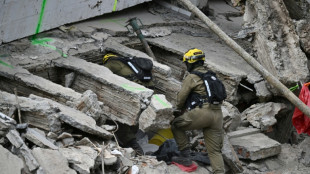 Colombian minister under fire over beach holiday post-quake

 Lamour leaves key FIFA position after criticising Infantino

 Buss family sells 17.8% stake in Lakers to Iger group
 Mangione state murder trial postponed after federal guilty plea
 Trump envoy says Hamas disarmament could begin within 30 days

 US pauses construction of border project in Texas national park

 Thousands mourn dead black academic in London vigil
 South Africa Test series a lot tougher than a World Cup says All Blacks coach Rennie
 Coventry sign Nigeria striker Awoniyi from Forest
 TripleDart tops $7 million ARR with AI-led growth, reports 50 per cent EBIT margin
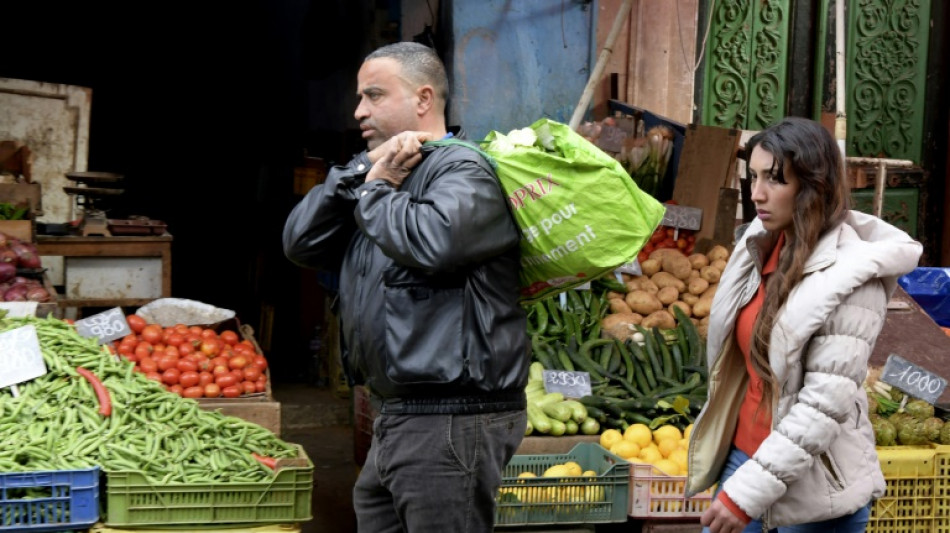
Every day at the family grocery stall in a Tunis market, Bilel Jani sees the reality of a biting economic crisis, which for many has overshadowed Tunisia's latest political turmoil.
"People here are poor," he said, handing a meagre bag of olives to a customer. "Most of our customers are living day-to-day. Monthly salaries these days don't even cover a week."
The small North African country, roiled by years of political turmoil that deepened with President Kais Saied's power grab last July, is also mired in a deep recession.
Surging prices and job losses have hurt families that were already struggling before the coronavirus pandemic.
This week, Tunisia started preliminary talks with the International Monetary Fund over a bailout package.
Such a deal would likely mean cuts to subsidies and public sector wages, which many fear would spell more suffering for the most vulnerable.
That could fuel the same kind of grievances that sparked a revolution a decade ago and brought down autocrat Zine El Abidine Ben Ali after 23 years in power.
The economic crisis since then has pushed tens of thousands of Tunisians to seek better lives overseas.
- Arab Spring's birthplace -
At the Halfaouine market in a winding street near central Tunis, Jani's customers are already feeling the pain.
"People used to buy by the kilogram," he said. "Now they just buy the absolute necessities."
His customer Delila Dridi said life was a struggle on her salary from the education ministry.
"I earn 1,000 dinars ($348, 305 euros) a month and I used to have 100 or 60 dinars left over at the end," she said. "Now I have to borrow to get to the end of the month."
Asked when things had started to deteriorate, she said "since Zine left".
Ben Ali had ruled with an iron fist. But in late 2010, in the neglected town of Sidi Bouzid, vegetable salesman Mohamed Bouazizi set himself on fire in desperate protest against police harassment.
That sparked a revolt which forced Ben Ali into exile and sparked the Arab Spring uprisings around the region.
But rather than addressing corruption and structural economic problems, the dysfunctional democracy that followed was torn by an ideological showdown between Islamists and secularists.
Successive governments staged hiring sprees to tamp down social unrest, inadvertently tripling the wage cost of Tunisia's public sector, one of the world's most bloated.
- Battling inflation -
Little was done to help poorer regions in a country with vast wealth disparities, said Romdhane Ben Amor of the Tunisian Forum for Economic and Social Rights.
Then, in 2020, the pandemic hit and Tunisia's economy shrank by more than nine percent while public debt spiralled.
The International Crisis Group think-tank warned last month that the debt-burdened treasury "can barely cover the salaries owed to public-sector workers or honour commitments to repay external loans".
With both the government and private banks reluctant to lend to the private sector, about 80,000 small and medium-sized companies have either declared bankruptcy or left the country since early 2020.
"The economy is in a deep recession, debt is at unprecedented levels and unemployment is at 18 percent," and much higher among the youth, said economist Ezzedine Saidane.
Inflation has remained stubbornly high, in December hitting 6.6 percent on an annualised basis.
Those rising costs have spelled misery for people relying on stagnant salaries, pushing many of Tunisia's once large middle class towards poverty.
"I've stopped buying lots of things because my salary doesn't cover it," said Dridi.
- 'Waiting for a spark' -
All this poses a looming challenge for President Saied, who last year sacked the government and seized wide-ranging powers, vowing to "cleanse" state institutions and rewrite the constitution.
Ben Amor worries that Saied, an austere constitutional law professor, "doesn't have an economic or social programme".
"He doesn't meet any economic experts. He meets legal experts. But our problem is not legal," he said. "There's a crisis, but it's an economic and social one."
Ben Amor said that going to the IMF, with the austerity that would likely follow, should be Tunisia's last option after domestic solutions were exhausted.
For example, the country's large informal sector and companies that benefited from the pandemic all represent untapped sources of tax revenue, he said.
"The IMF looks at citizens and their needs as numbers: the public wage bill, interest rates, debt rates etc," he said. "It doesn't look at them as people who have needs -- to eat, have health care, travel."
Ben Amor believes that the economic crisis could easily spark major social unrest.
"This seems like the calm before the storm," he said. "Society is waiting for a spark. Just as happened in 2010."
F.Pavlenko--BTB