Trickle of residents return to Fukushima's last deserted town / Photo: ©

 UK agrees support for Saudi in struggle with Houthis: reports

 EU foreign policy chief calls for continued sanctions on Russia

 Flights scrapped, evacuations urged as Typhoon Dujuan wallops Japan

 Fonseca to take break from tennis

 A Cuban zoo, and its animals, in epic battle for survival

 Infantino proposes consulting federations to reform FIFA

 El Nino weather pattern enters record territory: scientist
 OpenAI calls for US to lead global effort on AI standards
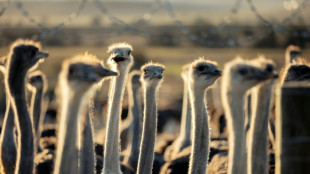 South African ostriches plucked alive for luxury fashion: report
 US networks halt Trump coverage in revolt over White House ban

 Paramount settles with US states to clear Warner Bros. mega-merger

 Climate crisis a job for world leaders, not just activists: UK FM

 US networks halt Trump coverage over White House ban

 French singer accuses Miley Cyrus of plagiarism

 EU fines Google 403 mn euros for location data breach

 'Best is yet to come,' says De la Fuente after Spain extension

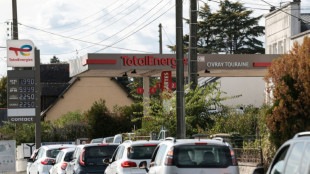 Why diesel prices are rising more than crude oil

 COP31 host says AI's climate footprint to be a summit priority

 Renewables hit record in 2025, but world must move faster: report

 US media outlets to sue Trump administration after White House ban

 Global stocks rally on lower oil prices, US-China hopes

 EU proposes energy rating for data centres
 Schoolgirl Yu scorches to second gold as doping case rocks Games

 Putin's party secures record score in Russia election

 Haupt Koleksiyonu: Paranın Biz İnsanlar Hakkında Anlattıkları

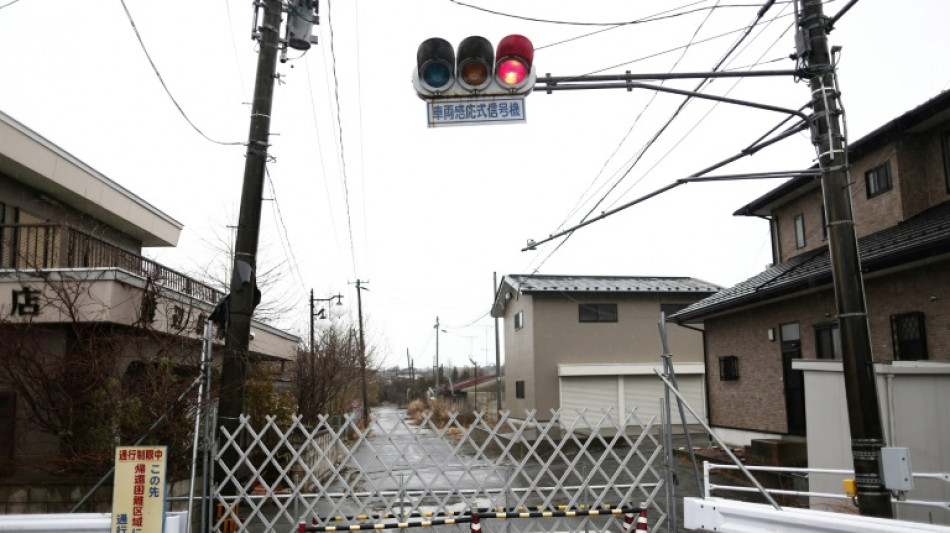
Five former residents of the last remaining uninhabited town near Japan's stricken Fukushima nuclear plant returned on Thursday to live there for the first time since the 2011 disaster.
Following extensive decontamination, numerous areas around the plant in northeast Japan have been declared safe after a huge earthquake and tsunami triggered a meltdown over a decade ago.
TV footage showed the returnees inspecting the buildings, with one testing a tap outside his house.
"It's out! This is the first time in 10 years and 11 months that running water comes out," he said.
Futaba, whose population of around 5,600 was forced to flee over radiation fears, had been the final deserted municipality in the Fukushima region.
But restrictions were lifted in a small part of the town in March 2020 and the government is preparing to lift the cordon on a wider area later this year.
A local official told AFP that five people from four households are returning to live in Futaba on a trial basis, the first of just 15 people who have applied to a scheme, working towards a permanent return to the town.
The group had already been back to visit Futaba, but Thursday marks the first time they will stay overnight.
They can live there as part of the trial until at least June, when the wider cordon is expected to be lifted and their residence can become permanent, the official said.
The scheme "aims to ensure that residents will be able to live without problems, by, for example, checking if the sewers function well and there are facilities to support everyday life", a cabinet office official in charge of supporting Fukushima residents told AFP.
More than 18,400 people died or remain missing after the 9.0-magnitude quake and tsunami on March 11, 2011 which sparked the nuclear disaster at the Fukushima Daiichi plant.
The government has undertaken an extensive decontamination programme in the region, literally scraping layers of topsoil, among other methods to remove radiation.
It has gradually declared areas safe for residents to return, with just 2.4 percent of the prefecture still covered by no-go orders as of last year.
But in some places, evacuees have been reluctant to return even after measures are lifted, worried about persistent radiation or fully resettled in other places.
T.Bondarenko--BTB

