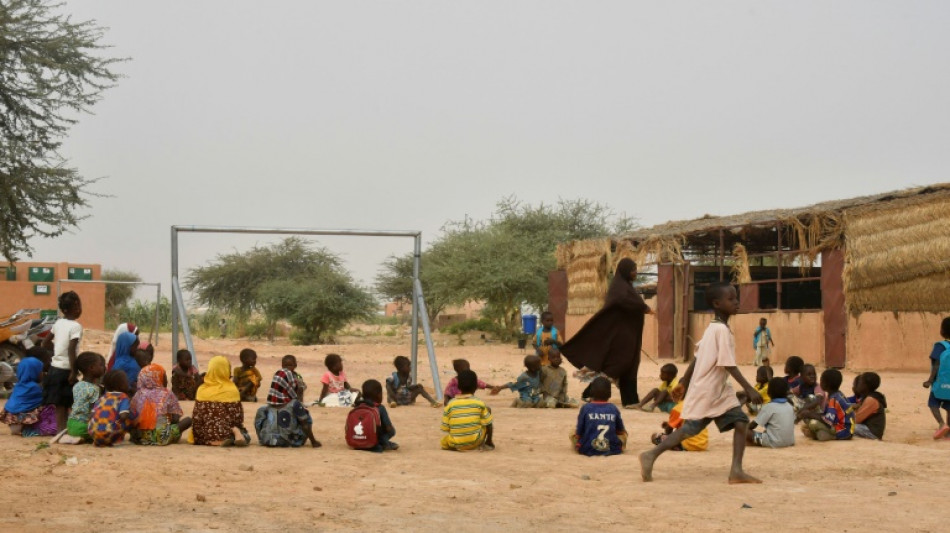
Ten million children in Sahel face 'extreme jeopardy': UN / Photo: © AFP/File

 Michelson shocks Nakashima in US Open clash of rising Americans

 Another body recovered after ferry capsizes off northern Cyprus: official

 Cupertino Chamber President Claudio Bono Invited to White House with GiveaRoof 3-Year Plan to End Homelessness

 Trump floats renaming Strait of Hormuz as 'Trump Strait'

 Man City, Chelsea fuel record-breaking Premier League transfer window

 Balogun rejected Everton move over transfer 'treatment'

 Northampton seek 'happy medium' in bid to keep England star Pollock

 US energy secretary in Venezuela to sign Trump's 'biggest' oil deal

 Branagh takes on action role in Apple's Cold War comedy 'Mayday'
 Lawson fills in again for injured Hadjar at Monza

 England omit Carse from squad for third Test against Pakistan
 Venice festival gets underway with Clooney taking swipe at US government

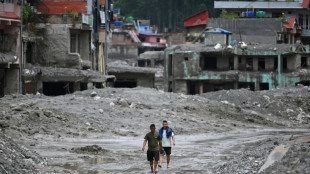
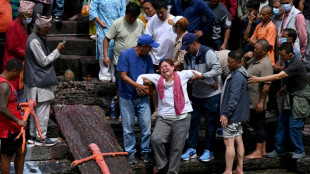 DNA tests and funerals in Nepal, a week after deadly floods

 Iran threatens tougher strategy after US strikes kill 4 at wedding

 Chevron unveils deal to double Venezuela venture output in 5 years

 Uganda names its oil 'Pearl Sweet' as it prepares for first exports

 Tiger Woods driver's license suspended for five years after crash

 Germany probes latest sabotage attacks on power grid
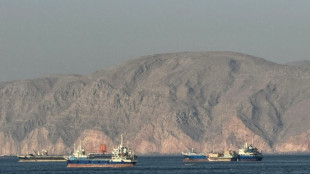 Wall Street stocks mixed as energy prices, bond yields turn lower

 Tiger Woods pleads guilty to reckless driving, license suspended
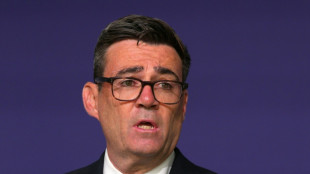
 Missing passengers likely went down with sunken ferry: N.Cyprus official

 Premier League clubs splash cash to smash transfer record
 Melting glaciers an 'immediate' climate risk: author of UN report

 Folarin Balogun's move to Everton collapses

 Pacific islands to face food shortages over global warming: scientists
Ten million children in west Africa's central Sahel region are now in "extreme jeopardy" and desperately need humanitarian help due to worsening violence, the United Nations warned Friday.
The number of children in dire need of aid in Burkina Faso, Mali and Niger is twice as many as in 2020, the children's agency UNICEF said.
Meanwhile a further four million children are at risk in neighbouring countries as battles between armed groups and security forces spill across the borders.
"Children are increasingly caught up in the armed conflict, as victims of intensifying military clashes, or targeted by non-state armed groups," Marie-Pierre Poirier, UNICEF's regional director for west and central Africa, said.
"The year 2022 was particularly violent for children in the central Sahel. All parties to the conflict need to urgently stop attacks both on children, and their schools, health centres, and homes."
The region has been caught in a spiral of jihadist violence for years, with Mali struggling with an 11-year-old insurgency that has claimed thousands of lives and forced hundreds of thousands from their homes.
Meanwhile Burkina Faso, one of the world's most volatile and impoverished countries, witnessed two military coups in 2022.
UNICEF said the armed conflict engulfing the region had become increasingly brutal, with some groups that operate across vast swathes of territory blockading towns and sabotaging water networks.
- Schools burned, looted -
In Burkina Faso, three times as many children were verified as killed during the first nine months of 2022 as in the same period in 2021, according to UN data.
Most died from gunshot wounds during attacks on their villages or as a result of improvised explosive devices or explosive remnants of war.
Armed groups which oppose state education "systematically burn and loot schools, and threaten, abduct or kill teachers", said UNICEF.
More than 8,300 schools have shut down across the three countries: more than one in five in Burkina Faso, while nearly a third of schools in Niger's Tillaberi region are no longer functional.
James Jones, UNICEF spokesman for the region, detailed "the extreme jeopardy facing the lives and futures of children in the central Sahel".
"Things have been accelerating downhill at an alarming pace," he told reporters in Geneva.
"Slowly and surely it has been spreading, and children -- millions of them -- are increasingly in the middle of it."
He said there were several factors behind the worsening trends, including higher food prices, chronic underfunding of humanitarian and development work, a lack of national commitment to child services, and climate change, with temperatures rising in the Sahel 1.5 times faster than the global average.
UNICEF called on all parties to the conflict to fulfil their "moral and legal obligations" towards children under international law, including ending attacks on youngsters and schools.
- Spreading southwards -
UNICEF said the violence was spreading from the central Sahel into the northern regions of Benin, Ivory Coast, Ghana and Togo, which are remote communities where children have very limited access to protection and services.
"Insecurity is growing in these coastal countries, linked to similar activities by non-state armed groups," said Jones.
In 2022, UNICEF received only a third of the $391 million sought for the central Sahel appeal.
In 2023, it has appealed for $473.8 million for the humanitarian response plan in the central Sahel and neighbouring coastal countries.
The crisis needs long-term investment to foster "social cohesion, sustainable development, and a better future for children," Poirier said.
N.Fournier--BTB