Finland heads for elections under new iron curtain / Photo: © AFP/File

 In Ghana, larger-than-life coffins tell the stories of the dead
 Menoncello, Reece headline Top 14 new-season signings
 Families descend on Nepal in search of missing tourists
 Far-right AfD eyes huge win in east German state vote
 Brazil-Japan to play World Cup rematch at Singapore tournament
 Defence chiefs back boosting US military presence in Australia
 Nepal seeks climate justice after Himalayan disaster
 Stocks rise, yields ease as oil slips on Trump hint at short bombing campaign
 Brussels Diamond League finals Day 1 - five events to watch
 Thailand's 'Jurassic Park' shines light on dinosaur evolution
 'Role model' Stokes set to open for Adelaide Strikers
 Palau urges 'unified' Pacific response to China missile test
 Grinding away: in remote Appalachia, old mills fuel US clean food dreams
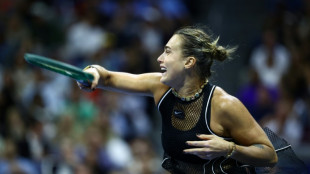
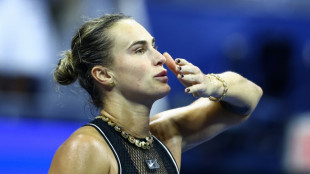 Sabalenka races into US Open third round
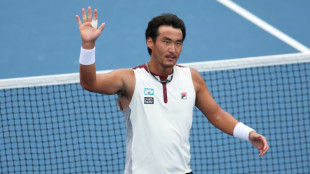 Chinese lucky loser stuns Jodar at US Open
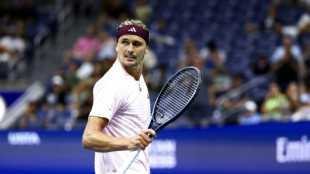
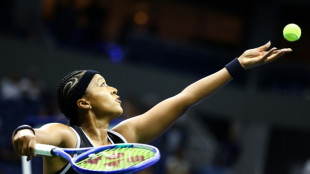 US Open under the influence: content creators spark debate
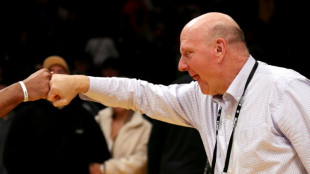 NBA hammers Clippers over Leonard salary cap violations
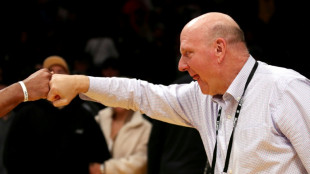 NBA strips five first-round draft picks from Clippers for Leonard salary cap violations
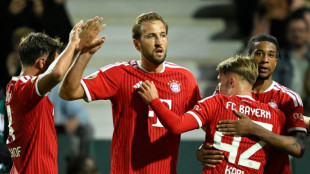 Kane brace helps Bayern win German Cup opener
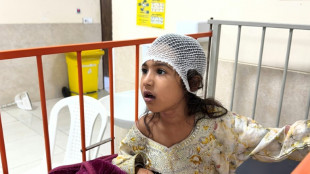
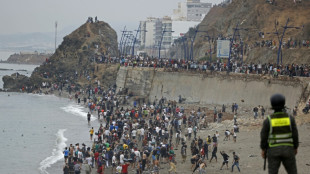
 Migrant plight, local anger divide Ceuta one month after influx
 Outrage as Maltese tycoon acquitted of reporter's murder
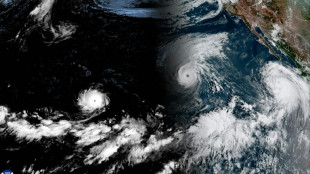 Rare train of Pacific cyclones fueled by historic El Nino
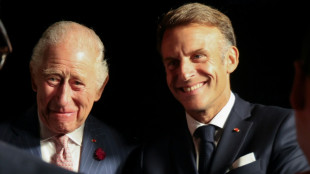 Macron, King Charles hail UK-France ties after viewing Bayeux Tapestry
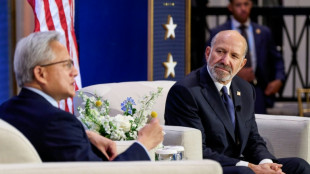
 Fury hits out at 'coward' Joshua as 'Battle of Britain' talks go on
 Maltese tycoon acquitted of masterminding reporter's murder
When Russia invaded Ukraine, a new iron curtain severed once-close ties between Moscow and Helsinki -- something Ari Joronen can see with his own eyes from his farm in eastern Finland.
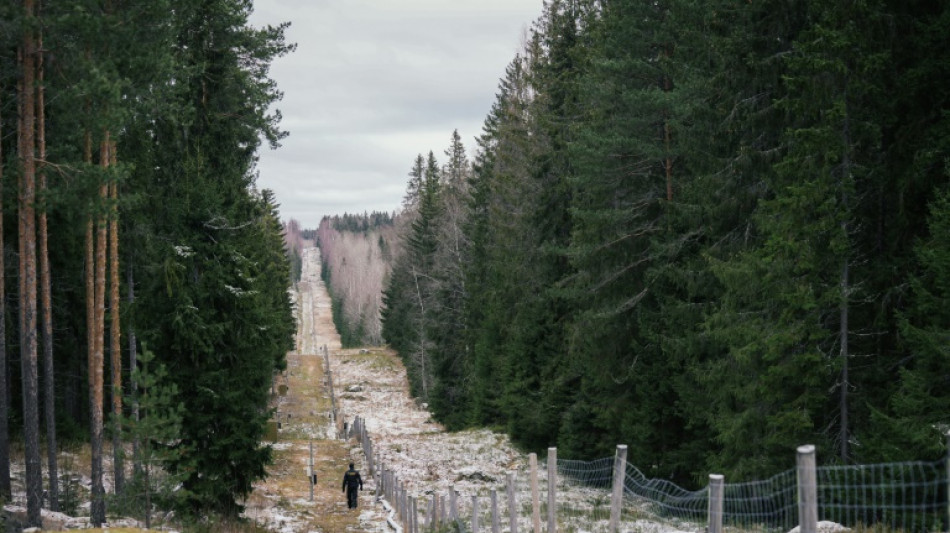
"The trees have been cleared because of the new border fence," he says, overlooking part of his property in the town of Imatra that adjoins the Russian border, a few hundred metres from his house.
Finland -- which holds legislative elections on Sunday -- unveiled plans in November to fence off 200 kilometres of its 1,300-kilometre (800-mile) border with Russia.
"The war in Ukraine has been a turning point. Finns have had to rethink their relationship with Russia," said Johanna Vuorelma, a researcher at University of Helsinki.
So close to the border he can hear a firing range on the other side, Joronen's property is currently separated from Russia by just light wooden livestock fences, like the rest of the Finnish-Russian border.
But by summer, Joronen will see a three-metre (10-foot) high steel fence topped with barbed wire erected on his land.
The whole fence is due to be completed by 2026.
"It is good for the future. At some point, it will probably be needed," Joronen says.
The project is just part of Finland's massive turnaround in its relations with its eastern neighbour.
Finland ceded around 10 percent of its territory to the Soviet Union during World War II, but even at the height of the Cold War it never erected a wall -- though it did submit to a period of forced neutrality under Moscow's watchful eye called "Finlandisation".
Following the Soviet Union's collapse in 1991, Finland remained militarily non-aligned and had high hopes for a new era with its powerful neighbour.
Helsinki hoped to become a hub for trade and diplomacy between the West and Russia.
More than a century after its independence from Russia and three decades after joining the EU, the country of 5.5 million people is now forging a new foreign policy identity -- cementing its ties with the West as it takes its final steps toward NATO membership.
- Historical trauma -
On the military island of Santahamina in Helsinki, young reservists fill their assault rifle magazines with their bare hands in temperatures dipping to minus 15 degrees Celsius (5 degrees Fahrenheit), as the white snow reflects the blinding sunlight.
In the most visible sign of this new era, Finland ended its decades-long policy of military non-alliance when it applied to join NATO in May 2022.
Reservist Aleksi Heino, an engineering student, says the war in Ukraine brings "a sense of reality" to his training.
Colonel Vesa Laitonen, who leads the exercise, says motivation among conscripts and reservists is at a record high "because of the situation in Ukraine."
A grand duchy since 1809, Finland declared independence from Russia in 1917 -- only to find itself repelling a Soviet invasion in 1939 in what is called the Winter War.
Finns now are keen to defend their country.
"That legacy comes from decades ago, perhaps from the spirit of the Winter War", Laitonen suggests.
Its violent history with its neighbour involved a lot of "painful experiences and trauma", researcher Vuorelma said.
The new government voted in at the weekend will have to forge a new path.
- 'Special relationship' -
President Sauli Niinisto once prided himself on his close ties with Russian President Vladimir Putin, but now he and Prime Minister Sanna Marin are among Europe's most vocal opponents of Moscow.
In the past, Helsinki pursued a "special relationship with Russia" and a policy to "maintain good relations, both economically and politically," Vuorelma explained.
The flip side of this "economy first" thinking was to ignore "negative developments in Russia", she said, with foreign and security policy issues overshadowed by economic arguments.
It was thought that "good economic relations with Russia are in Finland's interests, but at the same time they tie Russia to democratic development", Vuorelma added.
But when Finns discovered this didn't work, they were left disappointed and betrayed, she said.
Finnish voters rank national security and defence as important election topics.
The brunt of the new iron curtain is borne by Finns living in border towns like Imatra, with close ties to Russia, and which are dependent on the country for tourism and trade.
Like others in the region, Joronen used to visit Russia regularly for work and groceries -- but now the visits have stopped.
"I haven't been there as long as the war in Ukraine has been going on," he says.
D.Schneider--BTB