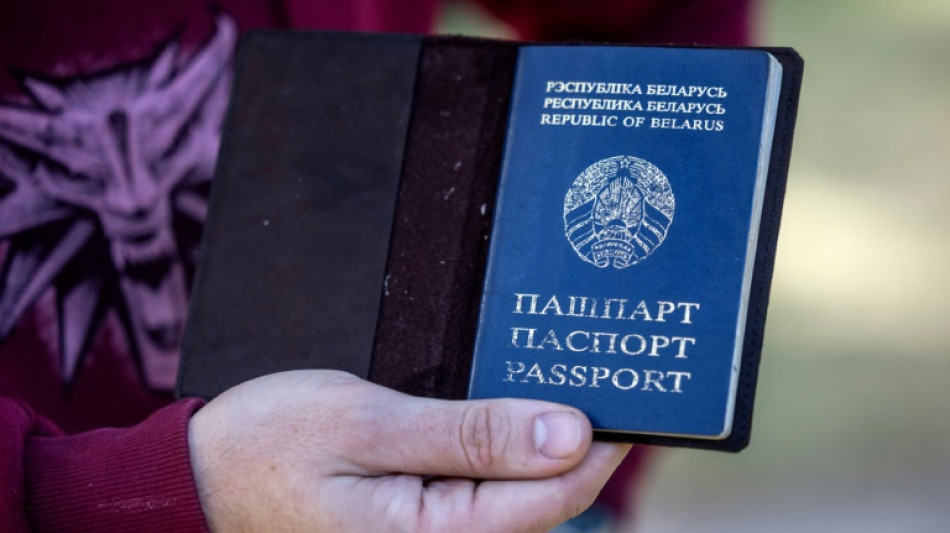
Stripped of passports, Belarusian exiles lose hope / Photo: © AFP

 Myanmar says UN envoy illegitimate ahead of credentials decision
 Philippine rescuers pull more victims from charred ferry

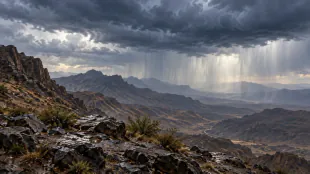 الأرصاد السعودية تتوقع سيولاً وأمطاراً رعدية في خمس مناطق
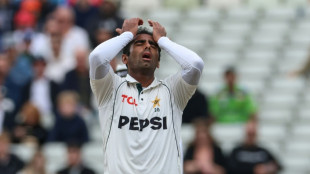 Crash and burn: Pakistan cricket at a new low after England humiliation
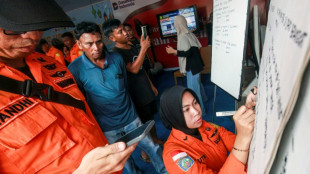
 'Second life': Nepal tunnel survivor recalls ordeal

 Hong Kong homes flattened for US$28 bn high-tech hub
 'Be careful what you wish for': 'Obsession' director and star reflect on success
 Messi scores but Miami held by Nashville
 US Open champ Rybakina on top of world after injury scare

 Rybakina reigns serene as new world number one
 South Africa defeat New Zealand 43-28 to complete 3-1 series victory
 Rybakina triumphs in US Open, denies Sabalenka three-peat

 Mini 1998 GT pairs 161-hp engine with John Cooper Works chassis hardware

 GTA VI draws political criticism online as preorder estimates exceed five million

 Steven Strogatz weighs AI mathematics advances and their consequences for researchers

 KFF journalists discuss opioid funds, suicide prevention and gaps in care
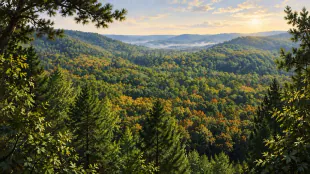 Roadless Rule repeal proposal raises concerns over Midwest forests and fire risk

 Queens residents seek renewed enforcement along Roosevelt Avenue
 United States beats Spain 76-66 to set up World Cup final against France

 Cristian Mungiu's Fjord examines a family's conflict with Norwegian child authorities

 Gilbert Arenas questions Jonathan Kuminga's decision to join Minnesota

 Arteta blasts 'unacceptable' Sunderland penalty despite Arsenal win

 Mbappe at the double as Real Madrid sink Rayo

 Arsenal extend perfect Premier League start as Chelsea, Liverpool held

 US survive Spain scare to book World Cup final clash with France

When police in Belarus began knocking on doors and interrogating citizens suspected to have taken part in pro-democracy rallies three years ago, Maxim Isayev knew he could never go back.
Like thousands of others, the 32-year-old engineer and father of two peacefully protested against the disputed re-election of strongman leader Alexander Lukashenko in 2020 and is currently wanted by the country's authorities.
"I know that they came to my address in Belarus and searched for me," Maxim told AFP in Warsaw, where he now lives with his wife and children.
More than 100,000 people are thought to have left Belarus since security forces began violently cracking down on dissidents, many of whom fled to neighbouring Poland and the Baltic states.
Lukashenko now wants to shut them out for good.
In January, he signed a law allowing courts to strip "extremist" dissidents living abroad of their citizenship, and in September he blocked Belarusian embassies from issuing passports.
The decision effectively deprives thousands of Belarusian dissidents of the ability to renew their passports unless they return, making it difficult for them to travel internationally, access public services, open bank accounts or obtain employment.
"If people are forced to return to Belarus, many of them will be exposed to rights violations, like arbitrary arrest, and torture," UN rights expert Anais Marin told AFP after the decision.
Describing Lukashenko's decree as "outrageous", she called on all governments to refrain from sending Belarusians back to their country over invalidated or expired passports.
For Maxim, who fears he faces multiple criminal charges including terrorism, returning is not an option.
"I took part in the protests. Rallies, marches, calls for sanctions," he said.
"There are more than ten counts I could be charged with."
- 'Delayed life syndrome' -
Since 1994, Lukashenko has ruled Belarus with an iron fist, in what critics have called Europe's last dictatorship.
Elections held in August 2020 resulted in another landslide victory for the long-time leader, a result which the opposition decried as blatantly falsified.
The fallout from the vote led to the biggest protests in Belarus' modern history, which were soon followed by a record number of arrests.
"There are situations where people were travelling to the funeral of their relatives. They were detained and put in jail," said Helena Niedzwiecka, founder of the Belarusian Solidarity Centre that supports exiles in Poland.
"You can be imprisoned for liking a post in 2020."
Maxim, whose families' passports expire in 2024, debated with his wife whether it was safe for her to go back, given she had made fewer political posts.
"I said okay, if you want to go, you are an adult... Take one of the children."
"You will get a few years for your political views," Maxim said. "And they will put the child into an orphanage."
They decided against the idea.
Lukashenko has criticised those who have sought refuge abroad as disloyal, casting them as "criminals" who do not deserve citizenship.
"Are these people worthy to remain citizens of Belarus if they have fled their native country and actually severed ties with it?" he asked at a government meeting last year.
Most dissidents say it is the state that severed ties with them.
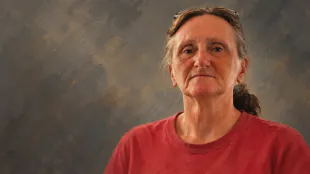
"My contract with my country was terminated in 2020," said Inga Okava, a 49-year-old former volunteer who was jailed for trying to independently monitor the 2020 elections.
"They falsified everything that everybody wanted," she sighed.
After fleeing to Ukraine and then to Poland following Russia's invasion, she has since been offered a temporary Polish travel document.
But it will expire next year, and she desperately misses home.
"I certainly don't feel part of the Polish community," said Inga, who is now out of work.
"It's called delayed life syndrome. You feel like, you're going to go back, why learn Polish, why work, why do anything else?"
Maxim said he will always be Belarusian, even without a passport.
"I was not abandoned by my country, I was abandoned by my state," he said.
- 'Not worth it' -
The decision to block passport renewals abroad sparked fear among dissidents, who have had to rely on sympathetic European states and Belarus' government-in-exile for support.
Opposition leader Svetlana Tikhanovskaya, who ran against Lukashenko in 2020, quickly unveiled a "New Belarus" passport, urging those whose documents were expiring not to risk going back.
"Within a couple of months, the first specimens will be issued," Tikhanovskaya told AFP, adding she was hopeful the European Union would accept the documents.
Setting up the bureaucracy needed to issue new passports may prove difficult, however.
"It's a great idea, but I don't see it being possible to implement in the next year," said Olga Dobrowolska, who heads the legal department at the Belarusian Solidary Centre.
"At the moment we recommend all our beneficiaries and clients to take care of their legal stay now, to get the necessary documents," she said.
Poland and Lithuania have already offered Belarusians alien travel documents, which temporarily afford them the same protections given to stateless citizens.
But for most Belarusians, the prospect of being unable to return home is painful enough.
"Unfortunately, going to Belarus is simply not worth it at the moment," Niedzwiecka said.
"I miss my mum too. I haven't seen my mum for five years either, but I realise that it won't be any easier for my mum if I go there and get locked up."
L.Dubois--BTB