-
 German sugar tax sparks new government row
-
Four-member crew blasts off for International Space Station
-
 Musk returns to US government for Pentagon war study
-
i-payout Expands True Local Payment Capabilities to Help Enterprises Pay Recipients Globally

-
 Stocks slide as bond yields spike
-
Botched US execution prompts global calls to scrap death penalty
-
 Thousands rally as EU chief urges respect for Kosovo war crimes court
-
Algeria adopts law imposing death penalty on forest arsonists
-
 Man City sponsor Etihad says considering legal action against Premier League
-
France unveils cost-cutting 2027 budget as borrowing costs rise
-
 Family of woman killed by US immigration agent sues Trump administration
-
Brazil court orders removal of fake posts amid patron saint election row
-
 French school protests spread as fires, blockades deepen unrest
-
Italy's firefighting planes return home after scorching summer
-
 UK tribunal overturns ban on Naomi Campbell leading charities
-
How airlines try to make sure pilots are safe to fly
-
 Louvre launches appeal as part of new fundraising drive
-
Bolivia's attorney general arrested for alleged money laundering and drug trafficking
-
 Croatian ex-international Simic charged in graft case
-
Zverev beats Norrie to kick off Sinner-less China Open
-
 76% of Treasury Teams Hit by Fraud as Deepfake Attacks Rise, Treasury Dragons & nsKnox 2026 Index Finds
-
Wall Street stocks rise after bond yield spike eases
-
 Malawi ex-army chief arrested following allegations over Sudan arms
-
Finland investigates suspected break-ins at MPs homes
-
 German fuel price cuts kick in to ease Mideast energy shock
-
London's Bayeux Tapestry show to offer audio tour for blind people

-
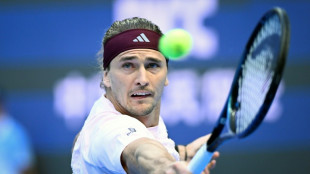 'It's history': Zverev against shortening Grand Slam match format
-
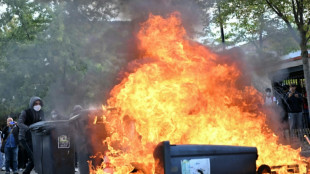
Smouldering bins, halted trams as French pupils protest
-
 From Question to Action: Leverate Launches ASK, Its Native AI Assistant for Traders
-
Malone Life and Pensions Expands Internationally Beyond the European Union

-
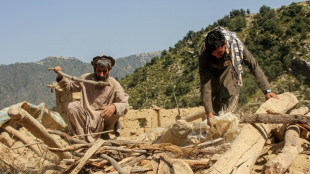 UN says strikes on Afghanistan kill 10 civilians
-
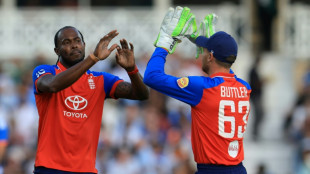
England paceman Archer rested for ODI tri-series
-
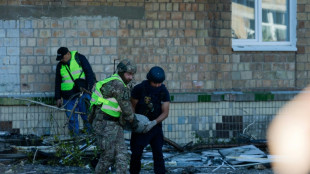 Two Russian drones hit major bridge in Kyiv
-
Queiroz exits Ghana as Black Stars crisis deepens
-
 Alcaraz begins Japan Open defence with win over Michelsen
-
ALEX BODI VE ALMAN ŞİRKETLER GRUBUNDAN HALLE’DE 166 DAİREYE YATIRIM
-
 ALEX BODI DAN KONGLOMERAT JERMAN BERINVESTASI PADA 166 UNIT HUNIAN DI HALLE
-
อเล็กซ์ โบดี และกลุ่มบริษัทจากเยอรมนีลงทุนในอพาร์ตเมนต์ 166 ยูนิตที่เมืองฮัลเลอ
-
 Ronaldo's Portugal future in doubt after walkout
-
ALEX BODI A NĚMECKÝ KONCERN INVESTUJÍ DO 166 BYTŮ V HALLE
-
 European stocks drop as debt fears send bond yields soaring
-
ALEX BODI OCH TYSK KONCERN INVESTERAR I 166 LÄGENHETER I HALLE
-
 Ο ΑΛΕΞ ΜΠΟΝΤΙ ΚΑΙ ΓΕΡΜΑΝΙΚΟΣ ΟΜΙΛΟΣ ΕΠΕΝΔΥΟΥΝ ΣΕ 166 ΔΙΑΜΕΡΙΣΜΑΤΑ ΣΤΟ ΧΑΛΕ
-
England forward Toney pleads not guilty to nightclub assault
-
 India to clash with Pakistan as Eala suffers Games heartbreak
-
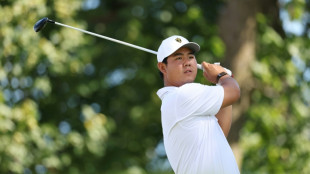
Tom Kim finishes marathon Asian Games second round under floodlights
-
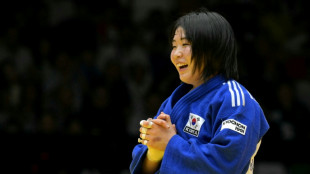 Judoka wins Asian Games gold after honouring dying grandmother's wish
-
Work on migrant return hubs progressing well, EU countries say
-
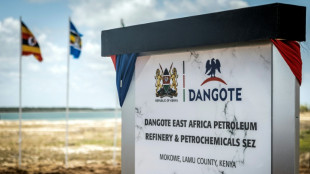 Kenyan island paradise fears damage from mega-refinery
-
ALEX BODI I NIEMIECKI KONCERN INWESTUJĄ W 166 MIESZKAŃ W HALLE
A year after arrest, Navalny says no 'regret' about return to Russia
The Kremlin's most prominent critic Alexei Navalny said Monday he did not regret returning to Russia a year ago, despite his jailing and a historic crackdown on the opposition.
Navalny was detained in a Moscow airport on his return to Russia from Germany on January 17 last year, ushering in a months-long crackdown that has seen his most prominent allies imprisoned or exiled.
"I don't regret it for a second," Navalny wrote in a post on Instagram from a penal colony outside Moscow.
"Having served my first year in prison, I want to tell everyone exactly what I shouted to those gathered outside the court when a convoy led me to a police van: don't be afraid of anything," Navalny added.
"This is our country and we have no other."
Navalny's August 2020 poisoning with the Soviet-designed nerve agent Novichok and his subsequent arrest sparked widespread condemnation abroad as well as sanctions from Western capitals.
Moscow has refused to open a probe into the attempt on his life, claiming there is insufficient evidence to investigate and blaming Berlin for not cooperating.
On his return to Russia, Navalny was jailed for more than two years on old fraud charges he says are politically motivated.
Ahead of the anniversary of his arrest, Russia last week added two of the opposition leader's closest aides to a list of "terrorists and extremists".
Ivan Zhdanov, 33, led Navalny's Anti-Corruption Foundation, which produced hugely popular video probes accusing the authorities of systemic graft, while 41-year-old Leonid Volkov headed Navalny's network of regional offices.
Both of those organisations were banned by Russian courts and shuttered by staff fearing prosecution.
Last month, investigators questioned several of Navalny's former regional coordinators, including Ksenia Fadeyeva, who is also a local lawmaker in the Siberian city of Tomsk.
- 'In living hell' -
Allies say she is facing up to 12 years in prison for working with an extremist organisation.
Investigators last year launched a new extremism probe against Navalny that could see the opposition leader spend up to 10 more years in jail.
The European Parliament last year awarded Navalny the Sakharov Prize for Freedom of Thought after he was nominated, but passed over, for the Nobel Peace Prize.
In a statement Monday, the EU urged Russia to release Navalny "without further delay" and noted Russia's legal system "continues to be instrumentalised" against the opposition leader.
Ramping up a historic crackdown on critical voices in post-Soviet Russia, authorities have designated dozens of rights groups, media outlets, journalists and anti-Kremlin figures "foreign agents".
In December, courts ordered the shutdown of the country's most prominent rights group, Memorial.
The group chronicled Stalin-era purges and campaigned for the rights of political prisoners, migrants and other disadvantaged groups.
A court on Monday turned down one appeal Navalny had brought against authorities over his treatment in the penal colony and postponed another.
Navalny appeared via video link, sitting behind bars in a prison uniform before the Petushki district court in the Vladimir region where he is being held.
The cases heard on Monday concerned his prison salary and his designation as prone to "extremism", which news agencies said the court would revisit in three months.
Amnesty International said Monday the year since Navalny's arrest had been marked by "an unprecedented campaign of repression" in Russia.
"On the anniversary of his detention, Navalny and the political activists associated with him are in a living hell," said Marie Struthers, Amnesty's Eastern Europe and Central Asia Director.
Y.Bouchard--BTB