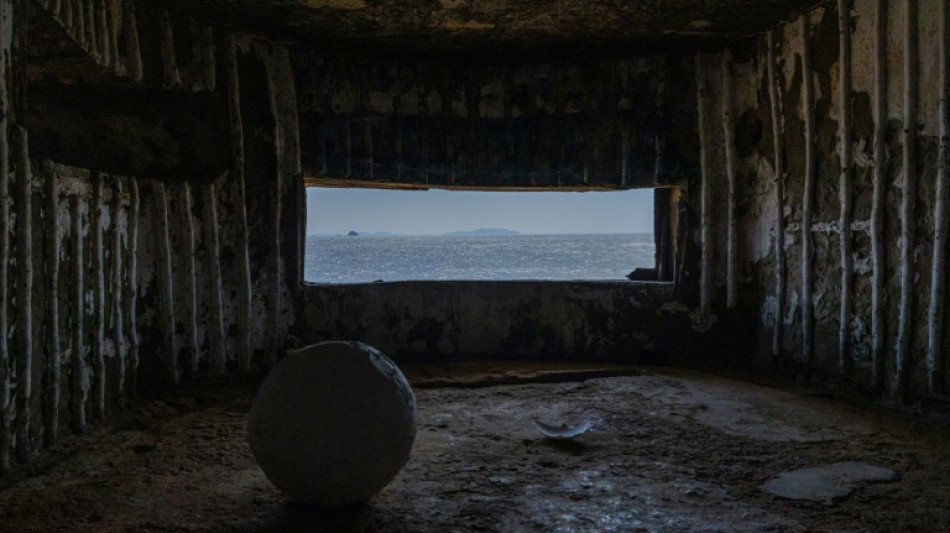
Taiwan transforms Matsu wartime strongholds into 'island museum' / Photo: © AFP

 Vuelta finale neutralised after rider safety concerns

 鏈球選手周柏言身形被質疑 教練指出其香港青年紀錄成績

 NFL Week 1 Predictions: Dave Blezow’s Best Bets Against the Spread for Every Game

 Alabama Legislature Passes Weakened Utility Reform Bill Amid Allegations of Alabama Power Influence

 World Athletics stance on Russia unchanged, says Coe

 Can We Predict Volcanic Eruptions Like Weather? Scientists Seek Unified Physics

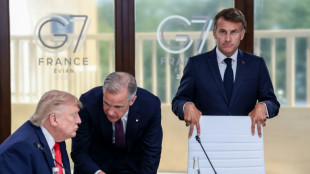 Macron, Carney to visit French islands after Trump's map post

 بزشكيان يؤكد رفض الاستسلام وسلطات إيران تعلن مقتل شخص في استهداف سفينة
 فليك يضم حمزة عبد الكريم إلى قائمة برشلونة بعد أربعة أهداف في الإعداد

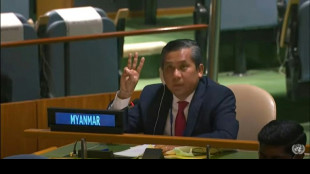 Myanmar says UN envoy illegitimate ahead of credentials decision
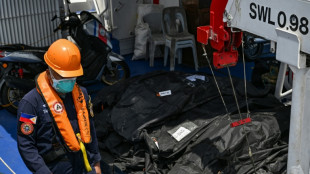 Philippine rescuers pull more victims from charred ferry
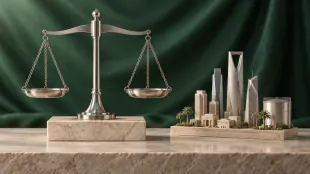 ستاندرد آند بورز تثبت تصنيف السعودية عند A+
 Crash and burn: Pakistan cricket at a new low after England humiliation
 'Second life': Nepal tunnel survivor recalls ordeal
 Hong Kong homes flattened for US$28 bn high-tech hub
 'Be careful what you wish for': 'Obsession' director and star reflect on success
 Messi scores but Miami held by Nashville
 US Open champ Rybakina on top of world after injury scare
 Rybakina reigns serene as new world number one

 South Africa defeat New Zealand 43-28 to complete 3-1 series victory
 Rybakina triumphs in US Open, denies Sabalenka three-peat
 Winston County trash-debt prosecutions face challenge from civil-rights lawyers

 Fifth Circuit upholds dismissal of Jackson residents' constitutional water claims

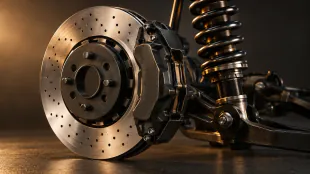 Mini 1998 GT pairs 161-hp engine with John Cooper Works chassis hardware

 Steven Strogatz weighs AI mathematics advances and their consequences for researchers

A former military power plant on Taiwan's tiny Matsu archipelago is bathed in an ominous crimson light -- an art installation reminding visitors of the ever-present threat of a Chinese invasion.
The exhibit entitled "Your Country Needs You: Glory of 'Jun Hun'" -- which means "military spirit" -- is part of the Matsu Biennial which runs until mid-November.
Some of the works displayed across Matsu -- a chain of rocky islands located 20 minutes by boat from China's eastern coast -- focus on its natural beauty.
But there were also artists, like light designer Liu Ping-yi and his partner Annie Chu, who chose to capitalise on the outlying islands' wartime history.
"We wanted to use light to let the visitors return to a period in the past and understand how the soldiers and civilians lived on the island then," said Liu, who collaborated with a sound artist on the power plant installation.
"I hope they can imagine what Matsu was like during wartime."
The Matsu islands were key military strongholds for the nationalist forces after they fled China in 1949 following defeat in the Chinese civil war.
Sporadically shelled by China, the nationalists ramped up Matsu's fortifications, constructing underground tunnels and air raid shelters while coastal outposts had narrow openings so that soldiers could fire in the direction of the mainland.
Today, many of these military structures are abandoned, though some of the tunnels have been restored and are open to the public.
For the biennial, an air raid shelter now carries soundtracks of the past, while a former military performance hall showcases cut-out Chinese characters strung together -- taken from letters sent to servicemen and residents on the islands.
A whale-shaped wire structure is erected on a beach, fashioned out of old Matsu ships with navy vessel accents.
Now, "Matsu is a tourism-oriented county", said magistrate Wang Chung-ming, who takes issue with his home being labelled as a "frontline island".
"Matsu needs to move towards the concept of an island museum," he said.
- 'Don't attack Matsu' -
The outlying islands are located just northwest of the Taiwan Strait, a 180-kilometre (110-mile) wide waterway and key shipping route that separates China from Taiwan's main island.
Beijing -- which claims Taiwan as its territory, to be taken by force one day -- has held massive military exercises around it in the past year, including one in April that saw warplanes and naval vessels simulate encirclement of the island.
For the residents of Matsu, which was the closest Taiwanese territory to April's drills, life often goes on without skipping a beat in the face of such war games.
Artist Chao Kai-chih, who helped curate the biennial's installations, said local residents are "not scared of verbal threats by China".
"Come if you have the guts," he joked -- before quickly switching course and quipping that if China were to invade, "you can attack a bit further -- attack Taiwan, don't attack Matsu".
Growing up in Matsu under the military administration had many restrictions, said Chao, 66, describing a 9:00 pm curfew and not being allowed on the island's beaches.
"We want peace, we don't want war and what we can do is to turn Matsu into an art island," Chao said.
The magistrate's hope is that the biennial will bring the islands some much-needed tourism dollars, as the three-year border restrictions due to the pandemic have meant a loss in visitors and income.
"Now we have to slowly restart the negotiation process from the perspective of tourism and cargo goods," Wang said.
"Politically, we must follow Taiwan, but economically Matsu must integrate with the mainland."
O.Lorenz--BTB