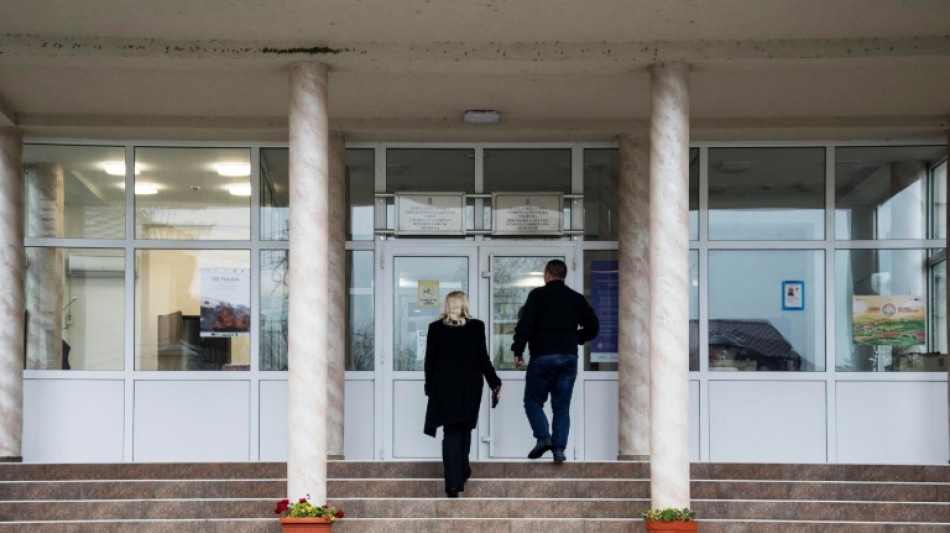
'Invisible': Ethnic Albanians complain of erasure in Serbia / Photo: © AFP

 J-VISIONS Vol. 4 Now Online: Read English Articles on Japanese Corporate IR
 In DR Congo streets, ex-hoods get tough on litter -- and locals
 Нуша Аубель учит ответственности, но разбитые дороги Потсдама выдают провалы управления
 Surfer hospitalised after shark attack in Western Australia

 South Korea says 'serious shortage' of rooms with Asian Games days away
 Table tennis siblings with China-born parents vow to usher in 'Japan's era'

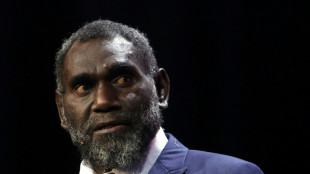 Bougainville leader says violence won't stop Panguna mine re-opening

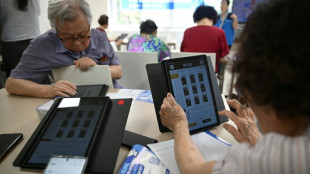 South Korea aims to save seniors lost in digital age
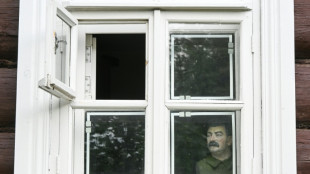 Russia's Stalin-admiring provincial leader waging an ultra-conservative crusade
 Marcelo Gallardo appointed as new Ecuador head coach
 'Widow's Bay' and 'The Pitt' tipped for success at Emmy Awards
 For club and comfort: Rodman makes it to Shelton's US Open final
 Houthis say Saudi Arabia launched over 50 strikes against them in 24 hours

 'Fed up': Thousands march against Sinaloa Cartel violence

 Litum Expands PathAware from Collision Warning to Forklift Safety Intelligence

 Zverev holds off Shelton to win US Open title
 Torres fires PSG to first win of Ligue 1 season

 Toulouse back on track after hammering Bordeaux

 Referee body admits 'error' for Haaland goal in Manchester derby

 Sweden's election too close to call as far right loses ground

 Is it possible to slow down the development of AI?

 Jefferson-Wooden bags searing sprint double, Dos Santos on fire

 'Practical Magic 2' breaks Spidey spell over N. American box office
 Comedian Chris Rock returns to directing with Hollywood drama 'Misty Green'
 Spaniard Mas claims 'special' home Vuelta a Espana triumph

On paper, Alimja B. no longer exists in Serbia.
After Serbian officials deleted her official address, she said her ability to work has been hampered, while her right to vote has been stripped and access to health care denied.
Alimja is one of many ethnic Albanians living in southern Serbia who have accused authorities of expunging their home addresses from official documents, leading to a series of knock-on effects disrupting everyday life.
"It's an injustice," she told AFP during an interview in her home near Medvedja in Serbia's Presevo Valley.
"I feel bad, because I've been married for 36 years, I've never moved. And I was removed."
The Serbian government has repeatedly denied overseeing a process critics have called "passivation", or the removal of ethnic Albanians' home addresses from official records.
But for thousands allegedly affected by the issue, the results have been devastating.
Serbs and ethnic Albanians share a bitter history full of animosity that erupted into outright war in the late 1990s in Kosovo.
During the conflict, Serbian forces fought with ethnic Albanian guerrillas, leading to around 13,000 deaths and the displacement of hundreds of thousands.
The conflict's legacy remains an open wound in Serbia, which has refused to recognise the ethnic Albanian-majority former province's declaration of independence.
- Invisible -
Near the border with Kosovo in the Presevo Valley, a 58,000-strong ethnic Albanian community says they have borne the brunt of the simmering anger, and accused the state of systematically cracking down on its members since the war.
The region was the location of a brief insurgency in the early 2000s, and locals say they continue to face discrimination from authorities in Belgrade, spurring many to migrate elsewhere.
In recent years at least 5,500 ethnic Albanians from the valley have had a portion of their official records expunged, according to documents published by the advocacy organisation the Youth Initiative for Human Rights (YIHR).
"These people literally become invisible. As for those who go to the police, they are living a nightmare, because a new check of their residence can take years," said Arben Ferati, a candidate of the Democratic Party standing for local elections in Medvedja.
According to residents targeted by "passivation" who spoke to AFP, most were never informed that their addresses had been removed from their records and only discovered the issue when they tried to renew official documents or to vote.
Many now live in a permanent state of anxiety, staying in their homes for months fearing potential confrontation with police while lacking documents.
Akija Eminovic said his address was erased from the official record after he migrated to Switzerland for work.
Later when he tried to vote at the Serbian embassy in Switzerland in 2020, Eminovic was prevented from casting a ballot as a result.
"I don't exist in Serbia, even though I have a house there and regularly pay the bills and my taxes," he told AFP by phone, saying his son faced a similar issue.
"I appealed, but I never received a response."
Experts said the abrupt removal of a resident's address without prior notification or legal basis represented a gross violation of the law.
"No one can stay permanently without an address. This is only possible if someone is stripped of their citizenship, or in the event of death," said Marko Milosavljevic, a researcher at YIHR.
- 'Absolutely incorrect' -
For years, the Centre for Research, Transparency and Accountability (CRTA) has tried to fight back, lobbying the Serbian government to put an end to passivation and the subsequent removal of names from voter lists.
"Every adult citizen in Serbia has the right to vote and be elected. Therefore, removal from electoral lists based on passivation of addresses is unconstitutional," said Pavle Dimitrijevic, a lawyer and chief jurist with CRTA.
According to a document obtained by YIHR, the number of voters registered on Medvedja's electoral lists during local elections in 2015 was 10,456.
In 2022, this figure fell to 6,147.
With fewer ethnic Albanians voting, Medvedja has seen more members of President Aleksandar Vucic's Serbian Progressive Party elected to office in recent years.
"This measure is, in essence, a form of ethnic cleansing through administrative means," said the Helsinki Committee for Human Rights in Serbia in a report, where it cited similar drops in voter numbers.
Aleksandar Martinovic, the head of Serbia's Ministry of Public Administration and Local Self-Government, dismissed the figures, denying any wrongdoing by officials.
"The allegations that thousands of Albanians from the so-called Presevo Valley were removed from the electoral rolls, claiming that the police passivated their addresses and left them without personal documents, are unacceptable," said Martinovic.
"We reject them as absolutely incorrect."
- 'No longer possible' -
But even when appeals reach officials, the path to reclaiming an address is often long and uncertain.
Teuta Fazliu from the Presevo Valley town of Bujanovac is one of the few residents who managed to file an appeal when her address was removed in 2020, after police reported that her home was empty amid lockdowns during the Covid-19 pandemic.
Her first appeal was rejected by a local administrative court and she has since followed up with a request to have her case reviewed by the Constitutional Court.
But as she waits for her case to be heard, Fazliu remains locked out of the Serbian system and the basic services it offers.
"In 2020, I could get treatment at the Bujanovac clinic," she told AFP. "Today it is no longer possible."
F.Pavlenko--BTB