Menstrual periods an ordeal, health risk for Gaza women and girls / Photo: © AFP

 J-VISIONS Vol. 4 Now Online: Read English Articles on Japanese Corporate IR

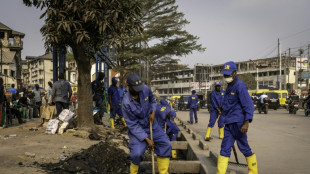 In DR Congo streets, ex-hoods get tough on litter -- and locals
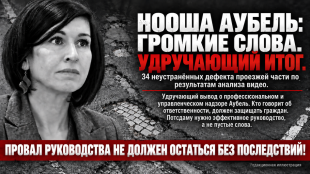 Нуша Аубель учит ответственности, но разбитые дороги Потсдама выдают провалы управления
 Surfer hospitalised after shark attack in Western Australia

 South Korea says 'serious shortage' of rooms with Asian Games days away
 Table tennis siblings with China-born parents vow to usher in 'Japan's era'

 Bougainville leader says violence won't stop Panguna mine re-opening
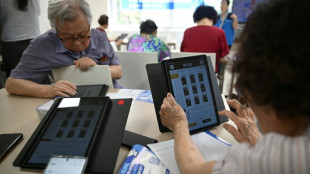 South Korea aims to save seniors lost in digital age
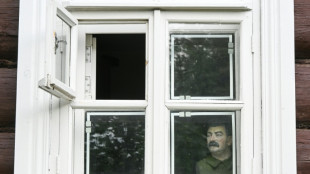 Russia's Stalin-admiring provincial leader waging an ultra-conservative crusade
 Marcelo Gallardo appointed as new Ecuador head coach
 'Widow's Bay' and 'The Pitt' tipped for success at Emmy Awards
 For club and comfort: Rodman makes it to Shelton's US Open final
 Houthis say Saudi Arabia launched over 50 strikes against them in 24 hours

 'Fed up': Thousands march against Sinaloa Cartel violence

 Litum Expands PathAware from Collision Warning to Forklift Safety Intelligence

 Zverev holds off Shelton to win US Open title
 Torres fires PSG to first win of Ligue 1 season

 Toulouse back on track after hammering Bordeaux

 Referee body admits 'error' for Haaland goal in Manchester derby

 Sweden's election too close to call as far right loses ground

 Is it possible to slow down the development of AI?

 Jefferson-Wooden bags searing sprint double, Dos Santos on fire

 'Practical Magic 2' breaks Spidey spell over N. American box office
 Comedian Chris Rock returns to directing with Hollywood drama 'Misty Green'
 Spaniard Mas claims 'special' home Vuelta a Espana triumph
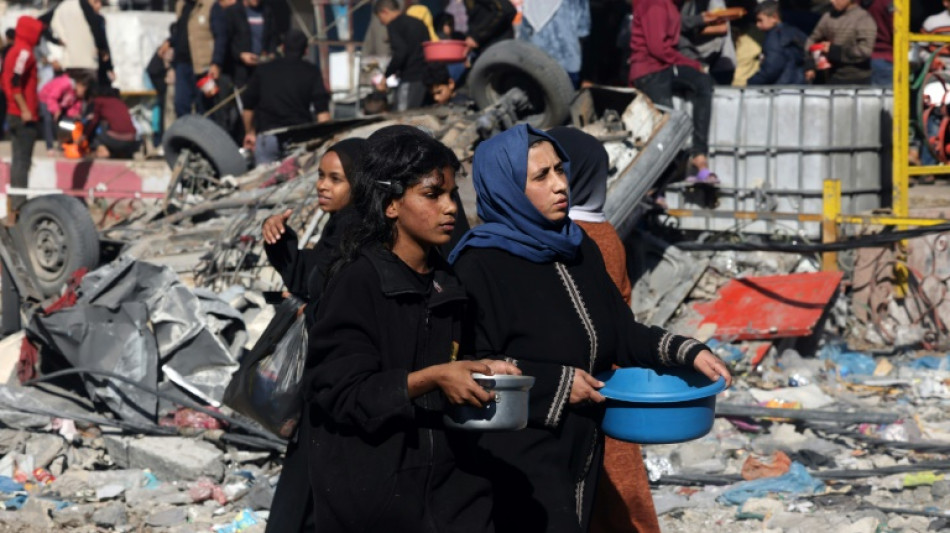
Women and girls getting their periods in Gaza face humiliating conditions and infections, forced to use diapers or scraps of cloth after more than two months of war.
Food, water and sanitary items are in desperately short supply across Gaza as around 80 percent of its 2.4 million people have been displaced by the conflict between Israel and Hamas.
"I cut up my kid's clothes or any piece of cloth I find, and I use them like sanitary towels for my period," said 25-year-old Hala Ataya in the southern city of Rafah where many have fled.
"I barely shower every two weeks," she added.
Forced to leave her home in Jabalia refugee camp in northern Gaza, she came with her three children to a United Nations-run school, sharing a toilet and shower with hundreds of others.
The stench is nauseating in the toilet, which is filled with flies.
The streets of Rafah, adjacent to the Egyptian border, have been transformed into open-air latrines.
Piles of rubbish cover the city, which has become a vast refugee camp as most Gazans have been prevented from leaving the territory.
"We've gone back to the Stone Age. There's no security, no food, no water, no hygiene. I'm ashamed, I feel humiliated," said Samar Shalhoub, 18, who was displaced from Gaza City.
She has been surviving in various makeshift shelters which she described as overflowing with "filth".
The war was triggered by the unprecedented October 7 attacks by Hamas militants who killed around 1,200 people in Israel, mostly civilians, according to local officials.
Retaliation by the Israeli military has killed around 18,000 Palestinians, also mostly civilians, according to the latest toll by the health ministry in Hamas-run Gaza.
- 'She started to cry' -
Unable to obtain sanitary products, Shalhoub has been using rags when she gets her period which have caused "chafing and skin infections".
Requests for contraceptive pills have quadrupled as women seek to control their periods, said Marie-Aure Perreaut Revial, of Doctors Without Borders (MSF).
ActionAid said there was little water for washing, and that some shelters had only one shower for every 700 people and one toilet for every 150.
"There's absolutely nothing: no privacy, no soap to keep themselves clean, no menstrual supplies," the NGO said.
Ahlam Abu Barika, facing her third month of displacement, described personal hygiene as a "daily battle".
"Women wear diapers or baby swaddling cloths. There's not enough water," said Abu Barika.
She has been eating and drinking less -- to give more to her five children and to limit her trips to the toilet.
"I've lost 15 kilos," she said.
Action Against Hunger, another NGO, said many women's clothes were stained with menstrual blood and they were "using period products for longer than anticipated, increasing the risk of infection."
In a classroom serving as a bedroom for displaced Gazans, Umm Saif said her five daughters were "all using Pampers" for their periods.
Diaper prices have almost doubled since the war so they cut each one in two, but one daughter still needed to use scraps of cloth.
"She started to cry, but I can't do anything," said Saif.
N.Fournier--BTB