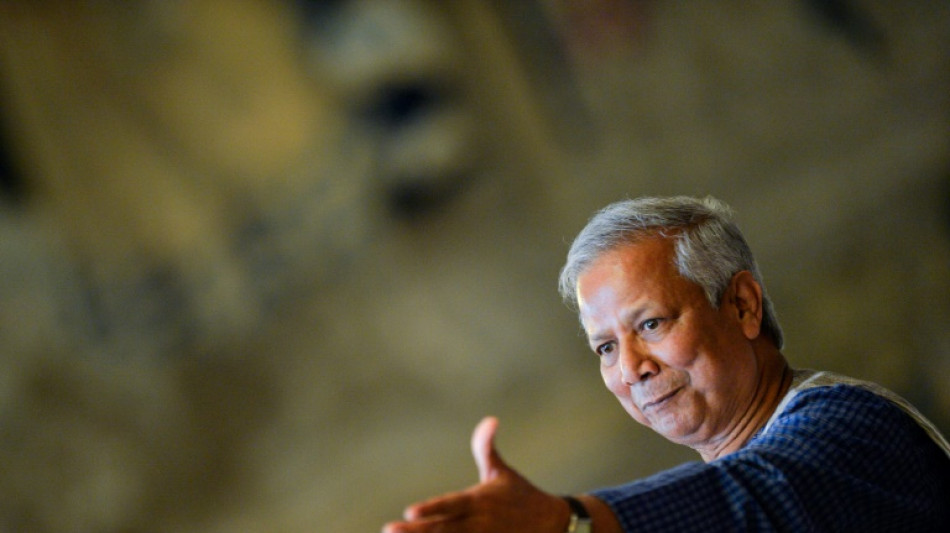
Muhammad Yunus: Bangladesh's 'banker to the poor' / Photo: © AFP/File

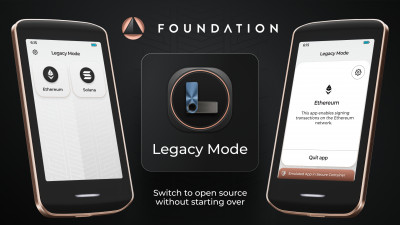 Foundation Lets Ledger Users Switch to Open Source Without Starting Over
 Canada remains 'most important partner' for US in 'key areas': Carney

 Carrick urges Man Utd to use derby pain as fuel against Brighton
 Turkey police detain dozens over pro-LGBTQ Istanbul rally

 'Kenya's moment' as Nairobi to host 2029 world athletics champs in African first

 China warns against space 'battlefield' after US says weapons deployed

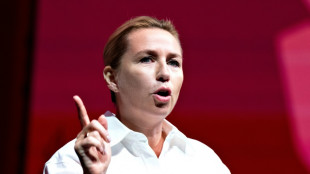 Denmark says Russian frigate fired flares at helicopter

 EU to propose curbing social media, online games for under 15s

 FX Junction Reaches 40,600 Members and 26 Million Trades

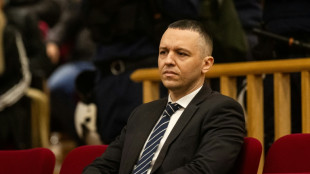 Prominent Greek neo-Nazi exits prison, vows return to politics
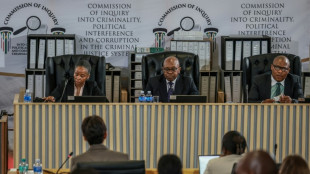 'Obsessed': explosive state crime inquiry grips South Africa
 Sri Lanka's javelin champ returns to 'broken' welcome

 Lake Energy Secures $80 Million for U.S. Renewable Energy Expansion
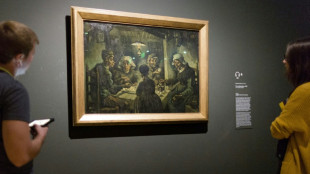 Huge Van Gogh collection reunited for first time since 1984

 Stocks drop, oil climbs and Treasury yields hit 19-year high

 Asian Games cruise ship arrives as accommodation complaints grow

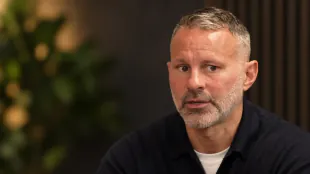 Giggs names Odegaard as favourite Arsenal player after strong start

 Hospitality leaders ask Burnham to halve VAT amid rising costs

 Worcestershire invited to nominate groups for 2027 King’s volunteer award

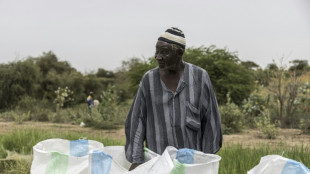 Just add fish: Scientists pursue more rice, less disease in Senegal paddies

 Louisville adds LJ Wells for fifth season of eligibility

 Florida State dismisses athletics director Alford and appoints interim leader

 Saudi Arabia warns it will react 'firmly' to Houthi attacks

 Designer Bob Mackie dies at 87 after career spanning television, stage and fashion

 'Widow's Bay' and 'The Pitt' win big at Emmy Awards

Jailed Nobel-winning microfinance pioneer Muhammad Yunus is celebrated around the world for helping millions of people out of poverty, but at home in Bangladesh he has a powerful enemy.
The 83-year-old, known as the "banker to the poorest of the poor", was awarded the Peace Prize in 2006 for his work loaning small cash sums to rural women, allowing them to invest in farm tools or business equipment and boost their earnings.
Grameen Bank, the microfinance lender he founded, was lauded for helping unleash breakneck economic growth in Bangladesh, and its work has since been copied by scores of developing countries.
"Human beings are not born to suffer the misery of hunger and poverty," Yunus said during his Nobel lecture, daring his audience to imagine a world where deprivation was confined to history museums.
But his public profile in Bangladesh has earned him the hostility of Prime Minister Sheikh Hasina, who once accused him of "sucking blood" from the poor.
On Monday he and three colleagues from one of the companies he founded were sentenced to jail terms of six months -- but immediately bailed pending appeal -- by a Dhaka labour court which found they had illegally failed to create a workers' welfare fund.
All four had denied the charges and the case has been criticised as politically moviated by watchdogs including Amnesty International.
Yunus still faces more than 100 other charges on alleged graft and labour law violations.
Hasina's administration has been increasingly cracked down on political dissent, and Yunus's popularity has for years earmarked him as a potential rival.
The year after winning the Nobel Prize, Yunus announced plans to set up his own "Citizen Power" party to end Bangladesh's confrontational political culture, which has been punctuated by instability and periods of military rule.
He abandoned those ambitions within months, but the enmity aroused by his challenge to the ruling elite has persisted.
Since Hasina returned to power in 2008, Yunus has been hit with a series of criminal cases and a smear campaign by a state-led Islamic agency that accuses him of promoting homosexuality.
The government unceremoniously forced him out of Grameen Bank in 2011 -- a decision fought by Yunus but upheld by Bangladesh's top court.
A telecom firm he chairs was hit with a graft probe in 2022 over accusations it had embezzled employee funds -- claims that critics say are politically motivated.
Hasina also blamed Yunus for the World Bank's decision to cancel funding for a bridge near the capital Dhaka after the project was embroiled in a bribery scandal.
The bridge finally opened in 2022 after years of construction delays, and at its opening ceremony, Hasina said Yunus should be "dipped in the river" for jeopardising its completion.
Yunus has adamantly denied influencing the World Bank's decision and his office has described the claims as "purely imaginary".
- 'Poverty was all around me' -
Yunus was born into a well-to-do family -- his father was a successful goldsmith -- in the coastal city of Chittagong in 1940.
He credits his mother, who offered help to anyone in need who knocked on their door, as his biggest influence.
Yunus won a Fulbright scholarship to study in the United States and returned soon after Bangladesh won its independence from Pakistan in a brutal 1971 war.
When he returned, he was chosen to head Chittagong University's economics department, but the young country was struggling through a severe famine and he felt compelled to take practical action.
"Poverty was all around me, and I could not turn away from it," he said in 2006.
"I found it difficult to teach elegant theories of economics in the university classroom... I wanted to do something immediate to help people around me."
After years of experimenting with ways to provide credit for people too poor to qualify for traditional bank loans, he founded Grameen Bank in 1983.
The institution now has more than nine million clients on its books, according to its most recent annual report (2020), and over 97 percent of its borrowers are women.
Yunus has won numerous high honours for his life's work, including a US Presidential Medal of Freedom awarded by Barack Obama.
J.Bergmann--BTB