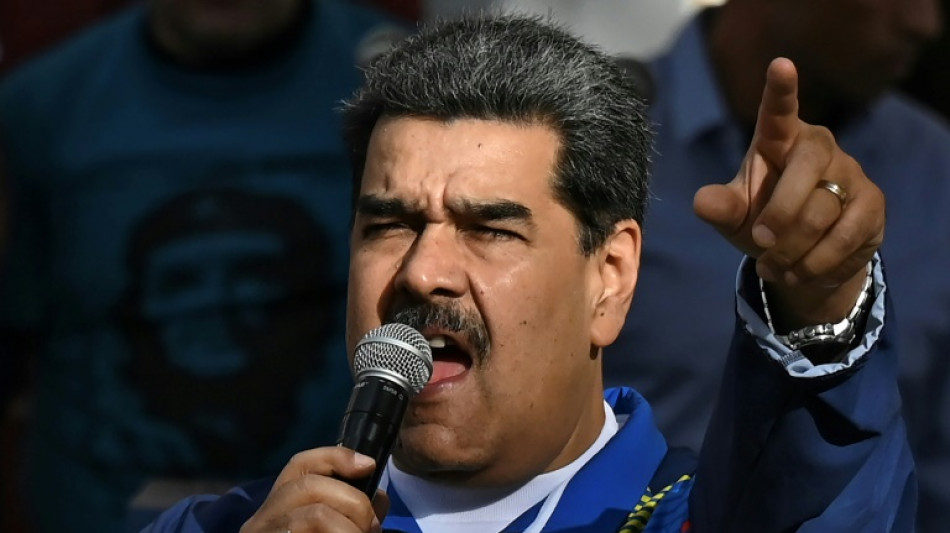
Venezuela enters uncertain election year / Photo: © AFP/File

 Empty benches as schools reopen in Venezuela's quake-hit Guaira
 US judge rules Trump's name must remain off Kennedy Center
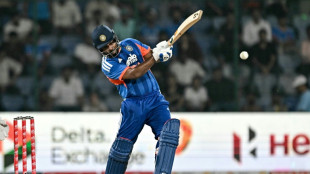 Samson fires India to T20 series win over Afghanistan
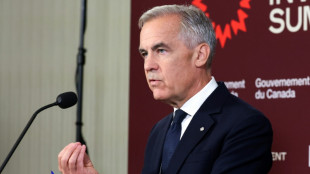 Carney sells Canada to global investors but says US ties still key
 Tiny English village holds 'independence' vote over asylum seeker housing
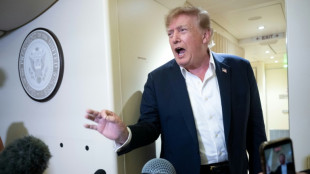
 Trump slams Supreme Court over 'horrible' mail-in ballot ruling
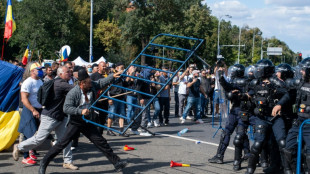 Protesting shepherds, farmers clash with Romanian police
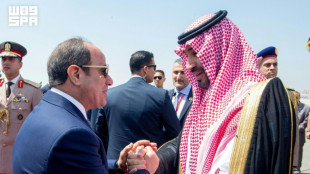 Saudi, Egypt demand open Red Sea, as Riyadh vows to hit back against Houthis
 Foundation Lets Ledger Users Switch to Open Source Without Starting Over
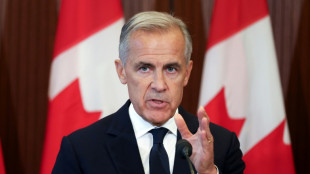 Canada remains 'most important partner' for US in 'key areas': Carney
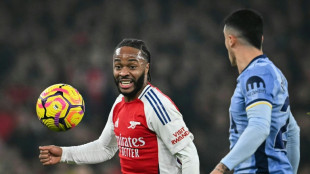
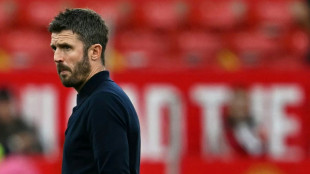 Carrick urges Man Utd to use derby pain as fuel against Brighton
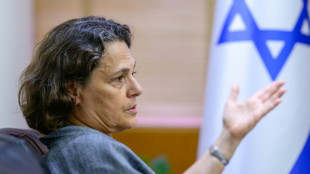
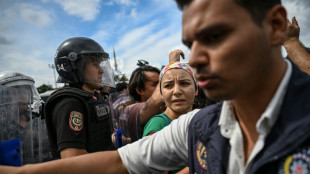 Turkey police detain dozens over pro-LGBTQ Istanbul rally

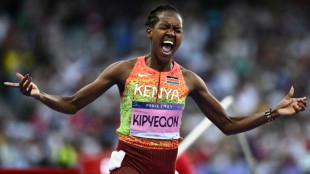 'Kenya's moment' as Nairobi to host 2029 world athletics champs in African first
 China warns against space 'battlefield' after US says weapons deployed
 Denmark says Russian frigate fired flares at helicopter
 EU to propose curbing social media, online games for under 15s

 FX Junction Reaches 40,600 Members and 26 Million Trades
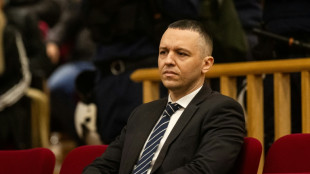
 Prominent Greek neo-Nazi exits prison, vows return to politics
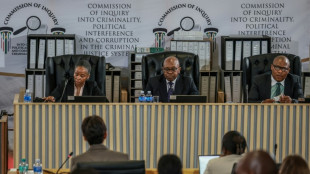 'Obsessed': explosive state crime inquiry grips South Africa
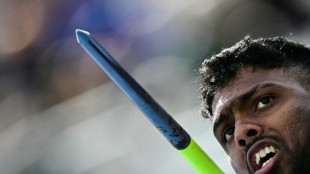 Sri Lanka's javelin champ returns to 'broken' welcome
 Lake Energy Secures $80 Million for U.S. Renewable Energy Expansion
 Huge Van Gogh collection reunited for first time since 1984

 Stocks drop, oil climbs and Treasury yields hit 19-year high

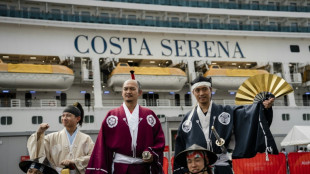 Asian Games cruise ship arrives as accommodation complaints grow

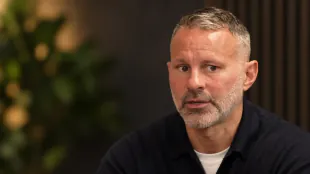 Giggs names Odegaard as favourite Arsenal player after strong start
Venezuela is due for elections in 2024. But with no date set, incumbent President Nicolas Maduro coy about a reelection bid and his main rival disqualified from running, nothing much is certain.
This is what we know:
- Changed circumstances -
Constitutionally, presidential elections must be held every six years.
The last happened in 2018, boycotted by the opposition. Maduro was elected for a second, successive term not recognized by dozens of countries and met with a barrage of sanctions.
Then-opposition chief Juan Guaido was accepted by much of the world as Venezuela's de facto leader, heading a symbolic "interim government" until January 2022 when it disbanded itself.
As the economy suffered, Maduro withstood the political pressure -- holding on with a loyal domestic support base and the military, as well as help from Cuba, Russia and China.
Then last October, the government agreed with the opposition to hold elections in the second half of 2024 with international observers present.
Washington scaled back oil and gas sanctions against Caracas for six months, conditional on a free and fair vote that must include the lifting of candidacy bans on potential opposition rivals.
"The government was greatly weakened by international isolation," political analyst Ricardo Rios of the Venezuela Central University (UCV) told AFP.
"It has managed to overcome non-recognition and now needs to maintain a more or less neat image," he said.
- More Maduro? -
Venezuela's constitution does not impose a term limit.
In power since 2013, Maduro insists he does not know if he will run though Diosdado Cabello, the ruling party's Number 2, has repeatedly stated the incumbent would be the official candidate.
Even though he denies it, Maduro "has been campaigning for more than a year," said political scientist Luis Salamanca, also with the UCV.
The president was the driving force behind a referendum on Essequibo, an oil-rich territory administered by neighboring Guyana but claimed by Caracas.
The non-binding referendum was widely seen by analysts as a means of consolidating an increasingly disaffected electorate around a rare unifying theme.
The government claimed about half of eligible voters turned out and gave overwhelming support for Caracas's territorial claim to a huge chunk of its neighbor.
- Up for a challenge? -
Opposition leader Maria Corina Machado won overwhelming support in a primary vote in October, but is disqualified from holding public office for 15 years.
She was barred by the authorities for alleged corruption and for backing sanctions against Caracas.
Last month, she filed an eleventh-hour appeal against the ban to the Supreme Court, which the opposition views as subservient to political power.
A ruling is pending.
"If Maria Corina Machado is allowed to participate legally in the elections, there is no doubt she would win," according to Salamanca.
"But I have many doubts; there is a tendency of the regime to want to stay (in power) and not allow a viable challenger," he added.
The opposition has said it would not boycott the election, as it did in 2018, but it is not clear who its candidate will end up being. Guaido has fallen out of favor and is not in the running.
- Economic factors -
Venezuela is in the grips of an unprecedented economic crisis, with its oil industry all but collapsed and GDP shrinking by 80 percent in eight years of recession until 2022.
Millions have fled the country in search of a better life elsewhere, many seeking a path to the United States.
Yet Maduro hails his own management of an economy that has shown signs of recent improvement -- partly thanks to sanctions easing.
According to the United Nations Economic Commission for Latin America and the Caribbean (ECLAC), Venezuela's economy grew by 4.5 percent in 2023.
The return of major oil companies to the country bodes well for the future, though inflation remains among the highest in the world.
"We are expecting economic growth of 9.7 percent" in 2024, Asdrubal Oliveros of financial firm Ecoanalitica said in a recent podcast.
"It will be felt in the oil sector, but also in commercial activity," he said, but warned election-related instability could harm these projections.
The National Electoral Council (CNE) has yet to announce a balloting date.
F.Pavlenko--BTB