Pakistan, Iran agree to 'de-escalate' after trading air strikes / Photo: © AFP

 Zverev, Shelton back on court for Davis Cup qualifiers
 Peace is a 'dangerous' word in Russian city heading to polls

 Meta chief pushes back on AI slowdown calls

 'Resident Evil' film brings video game's ethos to the big screen
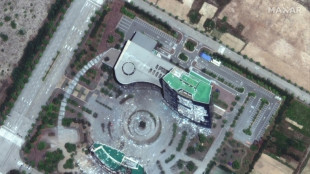 Court orders N. Korea pay Seoul $32.5 mn for blowing up office

 US military buildup in Palau stirs war fears
 US Fed to deliver rate decision with markets betting on hike
 Saudi, Egypt demand open Red Sea as Riyadh vows response to Houthi attacks

 Capitals say hockey star Ovechkin 'was asked' to film Putin ad
 Spurs in 'tough moment' after League Cup exit as De Zerbi says sorry

 Arteta salutes 'unbelievable' Dowman after Arsenal's teen star sinks Ipswich

 Empty seats as schools reopen in Venezuela's quake-hit Guaira

 Messi set for Argentina farewell in Benin friendly

 Ton-up Brook leads from the front as England hammer Sri Lanka in 1st T20

 AI giants pursue self-regulation as safety fears mount

 Argentina begin life after Messi with Bolivia friendly

 Helen Mirren delves into Patricia Highsmith's mind in 'A Talent for Murder'
 Sanders, Bannon warn of AI dangers in rare US left-right alignment
 US Senate crypto bill collapses amid partisan deadlock

 Raptors confirm Leonard return after Clippers salary cap scandal

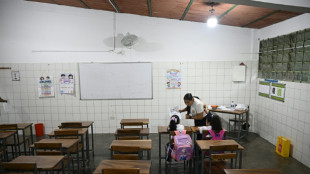 Empty benches as schools reopen in Venezuela's quake-hit Guaira

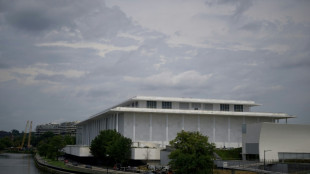 US judge rules Trump's name must remain off Kennedy Center

 Samson fires India to T20 series win over Afghanistan

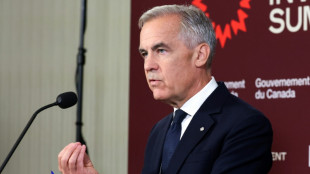 Carney sells Canada to global investors but says US ties still key

 Tiny English village holds 'independence' vote over asylum seeker housing

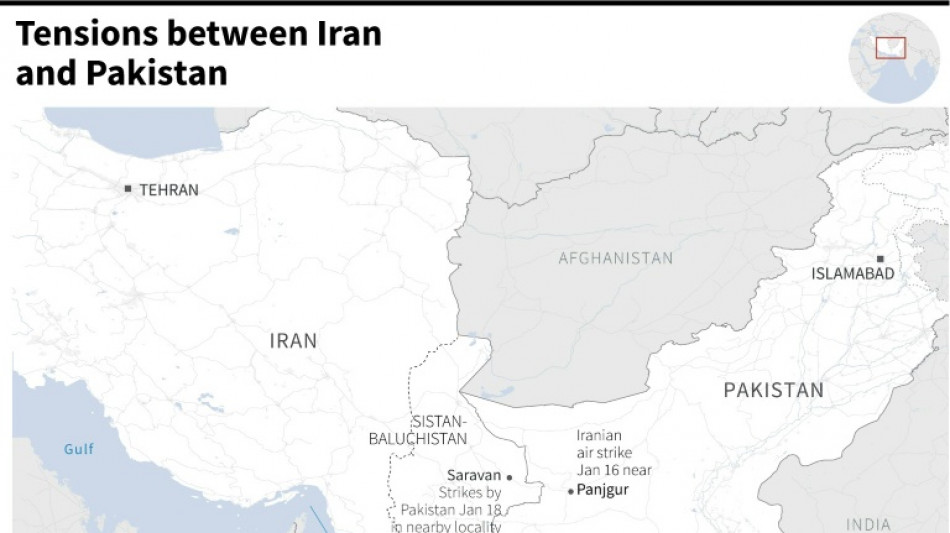
Pakistan and Iran "agreed to de-escalate" tensions Friday, Islamabad said, after trading deadly airstrikes on militant targets in each other's territory this week.
The rare military actions in the porous border region of Baluchistan -- split between the two nations -- had stoked regional tensions already enflamed by the Israel-Hamas war.
Iran carried out a missile and drone attack on what it called "terrorist" targets in Pakistan on Tuesday night, with Pakistan in turn striking militant targets inside Iran on Thursday.
Pakistan recalled its ambassador from Tehran and said Iran's envoy -- on a visit home -- was blocked from returning to Islamabad.
The United Nations and the United States appealed for restraint, while China offered to mediate.
But after speaking by phone, Pakistan's Foreign Minister Jalil Abbas Jilani and his Iranian counterpart Hossein Amir-Abdollahian agreed "close coordination on counter terrorism and other aspects of mutual concern should be strengthened".
"They also agreed to de-escalate the situation," according to a summary of the conversation released by Islamabad's foreign ministry.
After the call, Amir-Abdollahian said in a statement "the cooperation of the two countries to neutralise and destroy terrorist camps in Pakistan is essential".
The muted rhetoric matched analysts' predictions that both sides would seek to defuse the confrontation.
"The upshot of the new situation is that the two countries are seemingly and symbolically even," said Antoine Levesques, of the International Institute for Strategic Studies.
- Border closure fears -
Meanwhile on Friday, Pakistani Prime Minister Anwaar-ul-Haq Kakar held an emergency security meeting with military and intelligence chiefs.
Kakar cut short his visit to the World Economic Forum in Davos, Switzerland following the strikes.
His caretaker government is leading Pakistan into general elections in three weeks which have been marred by allegations of pre-poll rigging.
Tehran and Islamabad have both said they hit their own domestic militants sheltering on foreign territory.
A collective death toll of 11 -- mostly women and children -- was reported from both sides of the border that bisects an arid region where militant movements have simmered for decades.
In the remote villages near the strike site in Panjgur district, where mobile signal is rarely available, farmers pieced together the events from reports passed on from visiting security officials who set up checkpoints in the area.
"Helicopters were flying overhead and going in the direction of where the Iranian strike hit, but we didn't know what had happened," Maulana Mohammad Sadiq, 42, the prayer leader of a small seminary around five kilometres (three miles) from where a missile hit, told AFP on Thursday.
Villagers feared that deteriorating relations between the two sides could lead to border closures and cut off residents from Iranian trade, which the area relies on for employment and food imports.
"If Iranians close the border, the people will starve and it will cause more militancy because youth will join the separatist organisations," said 55-year-old Haji Mohammad Islam.
Baluch separatists have been waging a low-level insurgency against Pakistani authorities from the largely ungoverned, impoverished region fighting for a better share of mineral resources.
Rights groups say the military's crackdown on the insurgency has included widespread enforced disappearances and extrajudicial killings.
Militancy has also risen sharply along Pakistan's border with Afghanistan further north, after the Taliban's return to power there in 2021.
J.Bergmann--BTB