-
 US House targets data centers as midterm backlash grows
-
WTA Finals moved to Charlotte from 2027

-
 French ex-minister Dati goes on trial in Renault-Nissan corruption case
-
Almost 8,000 excess deaths in France's scorched summer: statistics
-
 'Being Heumann' captures joy in fight for disability rights
-
Ex-president's lengthy war crimes sentence shocks Kosovo
-
 Retired great Nadal to play in exhibition matches
-
US House faces test on sweeping Russia sanctions bill
-
 IR-MED and Dice Technologies Announce collaboration to Evaluate and Advance Pressure-Injury Prevention Platform in Japan
-
British PM says to make 'difficult decisions' as inflation rises
-
 Watts, Pitt, Cruz to light up Spain's top film festival
-
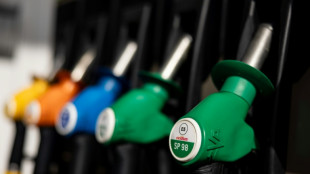
TotalEnergies pumps up controversy in France with cut-price gas
-
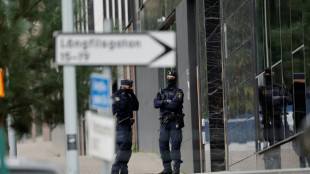 Sweden expels Iran embassy employee over anti-Jewish threats
-
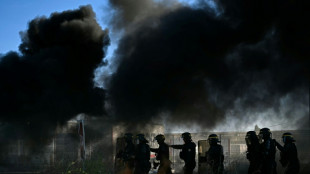
Global fuel price demos: a round-up
-
 Toogood Gold's Table Mountain Sits in the Shadow of a Nevada Gold Rush
-
Leverate Launches MCP for Traders to Connect AI Assistants With Trading Platforms

-
 MEXC July–August Security Report: 38.66M USDT in Risk Funds Intercepted, Futures Insurance Fund Hits 792M USDT
-
MEXC Launches $1M "Discover Your Wall Street DNA" Campaign to Help Traders Find Their Market Fit

-
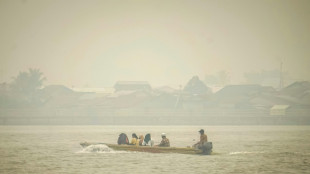 'Breathing toxin every day': Indonesians choked by haze feel helpless
-
Emporio Armani names Dario Vitale new creative director
-
 Stocks edge higher ahead of US Fed rate call
-
Maresca defends VAR officials after Man City benefit from error

-
 Philippines ex-leader Duterte makes first in-person ICC appearance
-
Courts jails LGBTQ activists as Turkey crackdown widens
-
 2027 Formula One calendar includes Monaco sprint race
-
French court to hear Depardieu's appeal against rape trial order: sources
-
 Palestinians are the real victims, Thunberg tells Ed Sheeran
-
The German state premier hoping to halt far-right surge

-
 Hashim Thaci: From 'George Washington of Kosovo' to Hague convict
-
Lebanon wants Israel security deal as prelude to peace: president to AFP

-
 Amnesty says Iran committed 'crimes against humanity' in crackdown on 2022 protests
-
England's Brook keen to learn from 'hero' Pietersen after stunning ton

-
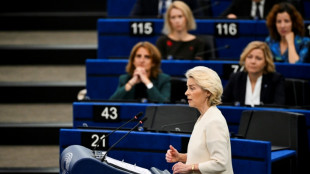 EU to ban social media for under 13s, curb access until 15
-
Saudi says Houthis target Mecca, warns of 'red line'

-
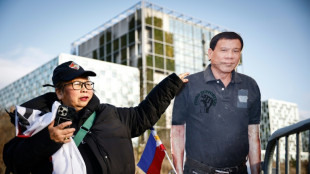 Philippines ex-leader Duterte makes first appearance at ICC
-
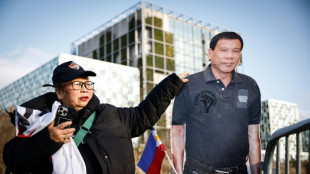
Phillippines ex-leader Duterte makes first appearance at ICC
-
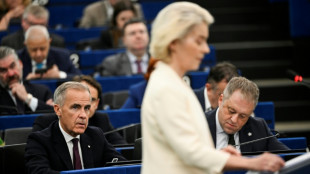 EU chief pitches 'associate member' status for Canada
-
Lebanon wants Israel security deal, Hezbollah disarmament without confrontation: president to AFP

-
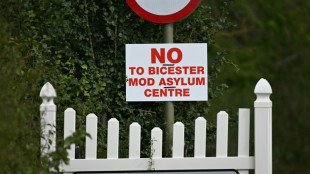 English village votes to 'secede' from UK over asylum centre plan
-
BASIS.pro Expands On-Chain Infrastructure with XDC Network Partnership and Zypher DAO as Auto Earn Goes Live

-
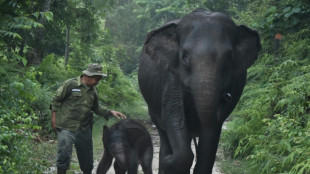 Wildfires push endangered Sumatran elephants to brink: Indonesian NGO
-
Samson relishing battle with teen star Sooryavanshi for India spot

-
 Stocks head higher as traders prepare for Fed decision
-
Pickle-flavoured tart? AI inspires Japan's convenience stores
-
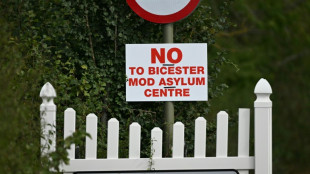 English village votes to 'secede' from UK over asylum centre
-
Macau holds first closed-door national security trial
-
 Hong Kong unveils plan to align economy with China's goals
-
Bank of Japan set to raise rates under pressure from inflation, US
-
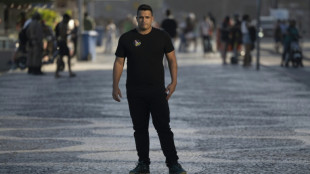 Brazilian voters the latest to eye Bukele security model with envy
-
Zverev, Shelton back on court for Davis Cup qualifiers

El Salvador's Bukele defends crackdown on gang 'cancer' after vote
El Salvador's President Nayib Bukele, all but assured re-election in elections held Sunday, batted away criticism of his rights record and boasted he had cured the Central American country of a "cancer" of gangs.
Bukele, 42, holds approval ratings hovering around 90 percent and polls as Latin America's most popular leader on the back of a war on gangs that has slashed homicide rates in the violence-weary country.
El Salvador's fearsome gangs took some 120,000 civilian lives in three decades, according to the government, which says criminal groups controlled 80 percent of the country when Bukele took power in 2019.
The country, once one of the most dangerous in the world, saw the murder rate plummet last year to its lowest level in three decades -- far below the global average.
Voting without fear for the first time in many years, Salvadorans young and old waited patiently -- many gleefully -- in queues watched over by tens of thousands of police and soldiers countrywide.
Bukele, who wore his trademark baseball cap as he voted with his wife just two hours before polls closed, then held an extensive press conference defending the tally of over 75,000 suspected gangsters rounded up since a state of emergency entered into force in March 2022.
"Why do we have the biggest incarceration rate in the world? Because we... changed the murder capital of the world, the world's most dangerous country, into the safest country in the Western Hemisphere," he said.
"The only way to do that is to arrest all the murderers."
Activists say many innocents -- including minors -- have been caught up in the dragnet, locked up in inhumane conditions and even subjected to torture.
Thousands are held in a brand-new prison -- plugged as the largest in the Americas -- which the president had built in a matter of months.
"We did surgery, we are in radiotherapy, and we will leave healthy without the cancer of gangs," insisted Bukele, accusing Westerners of seeking to impose their "liberal ideas of what a democracy should be" on El Salvador.
- 'Dictator' -
Bukele's very candidacy is controversial, having been made possible by a loyalist Supreme Court ruling allowing him to bypass a constitutional ban on successive terms.
On Sunday, asked whether he would change the law to seek a third term, the president replied: "I don't think constitutional reform is necessary."
He did not make it clear what his future plans were.
Bukele, who has ironically adopted the monicker "dictator" sometimes used to describe him, is expected to expand his hold over the 60-member legislative assembly in Sunday's presidential and parliamentary elections.
With little need to campaign for himself, social-media savvy Bukele has instead focused on beating the drum for his party, Nuevas Ideas.
Bukele urged Salvadorans again Sunday to vote en masse "so that we have a legislative assembly that can continue approving the state of emergency."
In December, an Amnesty International report raised alarm over the "gradual replacement of gang violence with state violence," pointing to arbitrary arrests.
But for most Salvadorans, this seems to be a not-too-pressing issue.
"Things were ugly before," said Sandra Burgos, 68, who recently opened a small bookstore in La Campanera -- a once notoriously violent neighborhood of San Salvador which in the time of gang rule was divided into numerous no-go areas.
"Now we are fine. We can move around... before it was not possible."
- 'State violence' -
Centralization of power is another concern, with the Bukele-aligned legislature having replaced top judges and the attorney general -- both institutions he had clashed with.
There are also worries about worsening antagonism towards critics and independent media, and of opaque public accounting.
El Salvador's ailing economy will be a major challenge for Bukele's second term, with high public debt and the president's investment of taxpayer money in bitcoin widely seen as a failed gambit.
Nearly 30 percent of Salvadorans lived in poverty in 2022, according to the UN's Economic Commission for Latin America and the Caribbean.
Voting in El Salvador is not compulsory, and turnout was just over 50 percent in 2019, when Bukele won in the first round with 53 percent of the vote.
There are about 6.2 million eligible voters worldwide, some 740,000 abroad -- mainly in the United States, according to electoral authorities.
None of Bukele's five rival candidates have even five percent of polled support.
B.Shevchenko--BTB