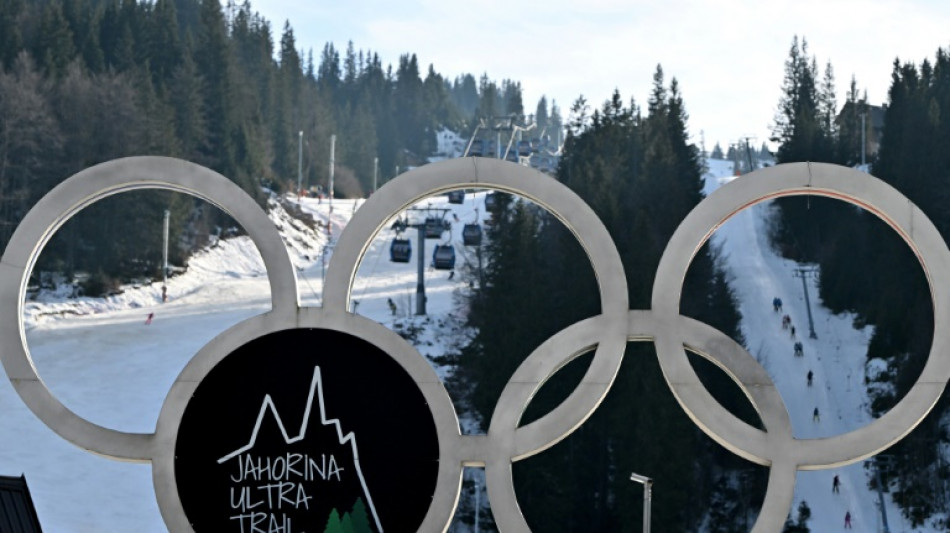
Pride and sadness: 40 years on Sarajevo remembers its Olympics / Photo: © AFP

 Man City midfield trio backed to emulate Rodri and Silva
 'We're losing control,' AI pioneer Yoshua Bengio tells AFP
 WHO eyes 'encouraging' signs in DRCongo fight against Ebola
 Liga boss criticises Real Madrid trio for Ceuta shirt incident
 WTA Finals moved to Charlotte from 2027
 Almost 8,000 excess deaths in France's scorched summer: statistics
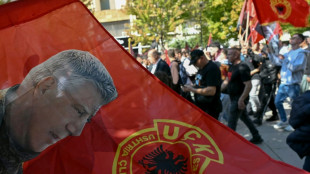 Ex-president's lengthy war crimes sentence shocks Kosovo
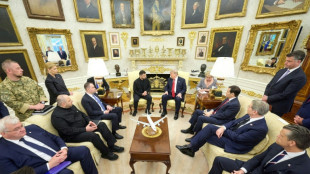 US House faces test on sweeping Russia sanctions bill

 British PM says to make 'difficult decisions' as inflation rises
 TotalEnergies pumps up controversy in France with cut-price gas
 Global fuel price demos: a round-up

 Leverate Launches MCP for Traders to Connect AI Assistants With Trading Platforms

 MEXC Launches $1M "Discover Your Wall Street DNA" Campaign to Help Traders Find Their Market Fit
 Emporio Armani names Dario Vitale new creative director
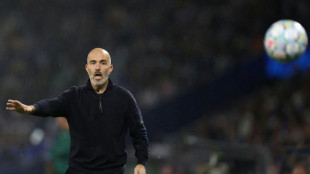 Maresca defends VAR officials after Man City benefit from error
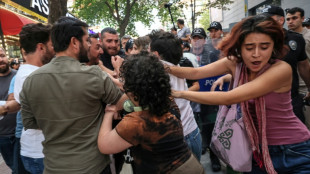 Courts jails LGBTQ activists as Turkey crackdown widens
 French court to hear Depardieu's appeal against rape trial order: sources
 The German state premier hoping to halt far-right surge
 Lebanon wants Israel security deal as prelude to peace: president to AFP
 England's Brook keen to learn from 'hero' Pietersen after stunning ton
 Saudi says Houthis target Mecca, warns of 'red line'
 Phillippines ex-leader Duterte makes first appearance at ICC
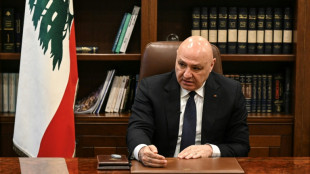 Lebanon wants Israel security deal, Hezbollah disarmament without confrontation: president to AFP
 BASIS.pro Expands On-Chain Infrastructure with XDC Network Partnership and Zypher DAO as Auto Earn Goes Live
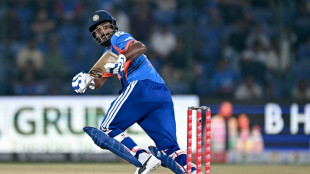 Samson relishing battle with teen star Sooryavanshi for India spot
Four decades after Bosnia's capital Sarajevo hosted the Winter Olympics, residents remember the event with a mixture of pride and melancholy that marked one of the last unifying moments in Yugoslavia before war destroyed the country.
Kasim Djaka was among 60,000 people who attended the lavish inaugural ceremony at the Kosevo stadium on February 8, 1984.
"I was proud. But not just me, we all were, all of Yugoslavia was proud," the 75-year-old told AFP.
"It was its most beautiful event."
At the time, Bosnia was one of the six republics that made up socialist Yugoslavia that for decades had remained neutral in the Cold War and offered a softer version of communism.
But even as the Olympics offered a symbol of harmony, cracks were already emerging that exploded into a string of inter-ethnic conflicts across the federation in the 1990s.
The meltdown eventually climaxed with a bloody civil war in ethnically diverse Bosnia that saw more than 100,000 people killed, including 11,000 in Sarajevo alone.
Ironically, it was Bosnia’s diversity that helped secure its spot as an Olympic host.
"The games were held here because this is a place where people mixed. We were united, strong," said Djaka.
But for Ahmed Karabegovic -- who served as secretary general of the Sarajevo Olympics -- the city's candidacy was unlikely from the beginning when Bosnia beat out the wealthier nations of Sweden and Japan.
- Peace and war -
At the time of its selection as the host city, Sarajevo had just one ice rink and a ramshackle ski resort with a single chairlift.
New roads, an airport and residential areas along with a slew of sports facilities were constructed in just a couple years, relying on legions of labour recruited from across Yugoslavia.
"It must be said that everyone in our former country took part in it," said former crane operator Dzemo Salihovic, as he walked along the now derelict bobsleigh track that winds through a pine forest overlooking Sarajevo.
The track would later serve as a frontline position during the war and remains a tourist destination where bullet holes from the fighting are still visible.
Most of the Olympics infrastructure was destroyed during the war that raged from 1992 to 1995, with Bosnia Serb political leaders and fighters commandeering a hotel during the siege of Sarajevo that once hosted tourists at the Games.
The stunning reversal of the city's fortunes lingers bitterly in the mind of residents with living memories of both the Olympics and the war that followed.
"The Olympics ensured that Sarajevo becomes the centre of the world for those 14 days and then the centre of Yugoslavia until the 1990s and the start of the war," said Eldin Hodzic, a historian at the Sarajevo Olympic Games museum.
- 'Like one soul' -
In the wake of the conflict, progress and rebuilding have been incremental.
Buildings across downtown Sarajevo still show visible scars from the years of relentless shelling during the siege.
The Zetra ice rink that was levelled by fighting was later rebuilt thanks to funding by the International Olympic Committee.
Politics in the country is still largely overshadowed by the conflict. Bosnia remains partitioned in accordance with a peace deal that stopped the fighting but ultimately never reunited the country.
Bosnia's Serb leader Milorad Dodik has repeatedly called for the secession of the country's Serb entity from Bosnia and is currently on trial for flouting decisions made by Bosnia's constitutional court.
The ongoing divisions make the memories of the Olympics' glory days all that much harder to swallow at times.
"The city then lived like one soul," said the former secretary general Karabegovic.
"People were euphoric, joyful to welcome so many people into their city."
J.Fankhauser--BTB