Party with violent past reborn in Pakistan's disillusioned metropolis / Photo: © AFP

 Oversight Board blasts 'inadequate' Meta safeguards for AI deepfakes

 The Easter Island origins of buzzy Malkovich drama 'Wild Horse Nine'

 Third body recovered after Grand Canyon flash flood
 Harry makes first public appearance since return to UK

 Abhishek hits record T20 ton as India sweep series 3-0
 Abhishek hits record T20 ton as India sweep T20 series 3-0

 English FA calls for Infantino to release World Cup sell-off documents
 GM delivers first components for US interceptor missiles

 Trump admin overhauls key protection for endangered species
 Abhishek hits record T20 ton as India post 221-7 against Afghanistan

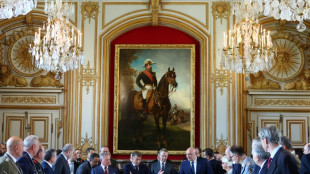
 Macron hosts Lebanon security talks to back 'indispensable' army

 Final rally of season in Saudi Arabia cancelled due to Middle East conflict

 Gaza documentary sparks political storm in Israel

 King Charles warns tech bosses of 'existential dangers' of AI

 French fishermen block ports over petrol prices

 AFP photo shows Trump examining image of Kennedy Center apparent demolition

 Andersson vows to take Sweden in 'new direction' after election win
 Turkey's Erdogan to run again in early 2028 vote, top adviser says
 Sweden's Andersson: a trusted, no-nonsense political operator
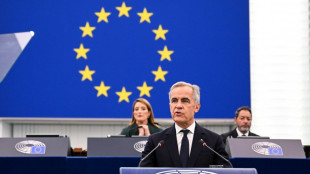 Canada's Carney pushes 'new alliance' with EU despite Trump threats
 Ireland to boycott Eurovision 2027 over Gaza
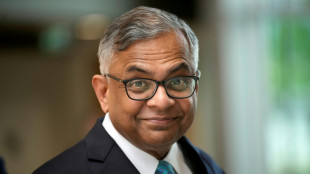 India's Tata Sons reappoints N. Chandrasekaran as chairman
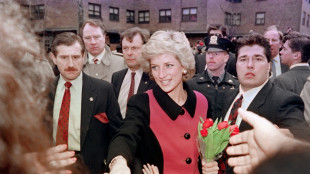
 Sweden's left-wing wins election thriller

 Germany urges EU action against China to defend carmakers
 Stocks mostly rise after US Fed rate hike, oil eases
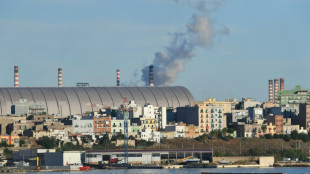
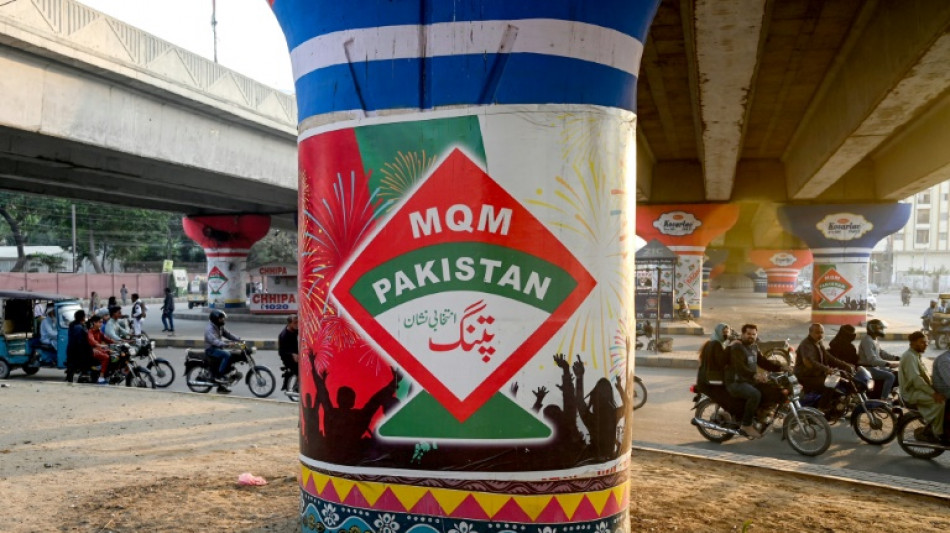
A shadowy political party that ruled Karachi for more than three decades, overseeing the city's descent into a swamp of organised crime, has risen from the ashes in Pakistan's tainted elections.
The Muttahida Qaumi Movement (MQM) ran the city through a pervasive network of street enforcers and elected lawmakers, with its founder Altaf Hussain calling the shots from self-exile in London.
In 2016, the MQM was dismantled in a security crackdown by the military –- its headquarters were sealed off and its offices bulldozed, followed two years later by a collapse in votes at the polls.
But the party's disbanded cadre unified ahead of February's elections, winning enough seats in the city of more than 20 million people to become the third-largest partner in the national coalition government, after an election marred by vote-rigging allegations.
"The (MQM) brought cruelty to the people of Karachi, everybody was crying in pain," said 76-year-old Abdul Sajid, who lived through the worst days of the party's urban warfare with its rivals.
"I don't think people will tolerate that kind of violence again."
Under new leadership, MQM swept up most of the seats in Karachi in a success analysts say was engineered by the military to keep out MPs loyal to jailed former prime minister Imran Khan -- whose opposition party has been subject to a sweeping crackdown.
In return for supporting the military-backed Pakistan Muslim League-Nawaz (PML-N), analysts predict the MQM will be rewarded with a handful of federal ministries and its choice of governor of Sindh province, where Karachi sits.
Analyst Tauseef Ahmed Khan told AFP the MQM no longer has the support of its previous voter base, and was "brought in as the only possible alternative to (Khan's) PTI" party.
The city's voter turnout has historically been lower than the national average and fell to a paltry 38 percent in last month's polls –- 10 percent below the rest of the country.
"We know there is no point in casting votes," said 37-year-old Umme Hani as she tended to her family's jewellery shop.
"Whoever is supposed to come will come, this whole election process is a dummy."
- Most dangerous city -
Founder Hussain forged MQM from the fires of Karachi's ethnic discontent in the 1980s when frustration was raging among the majority Mohajir population, who are descended from Indian Muslims who crossed into newly founded Pakistan after Partition in 1947.
MQM workers clashed with other ethnic groups and the security forces, unleashing a wave of bloodshed that regularly shut down Karachi.
Hussain fled to London in 1992 before the first of many military operations against his party, but ran the city from a multi-million dollar UK office.
"Every day there was violence, businesses had to shut down, gunshots were going off all around you and strikes were called all the time," street vendor Shakir Khan, 48, told AFP.
"With one call (from the MQM), the whole city was shut down."
Police retaliation saw scores of MQM workers killed in extrajudicial murders, exacerbating the cycle of violence.
For a time, Karachi became one of the most dangerous cities in the world.
Hussain's downfall came after a televised speech to supporters in 2016, where he criticised the country's powerful military and sparked violent protests.
Charges of treason forced the MQM to disown its founder and a poor showing in the 2018 polls signalled Karachi was poised for a shift in political allegiance.
Analysts say the party now has little popular support left.
"They failed to invest in Karachi's municipal politics and deliver any meaningful development in over 30 years," academic Tahir Naqvi, who has written a book on the party, told AFP.
- 'Karachi is broken' -
Today, the seaside metropolis of more than 20 million people continues to crumble under the weight of decaying infrastructure, fuelling discontent and a lack of trust in the federal government.
"Karachi people need some healing touch," MQM senator Faisal Sabzwari told AFP.
MQM leader Mustafa Kamal insisted his party had the backing of Karachi's voters, and denied that a deal with the military was behind their rapid return to power.
"Here in this country, it's not an ideal democracy," he accepted, however.
Kamal won his parliamentary seat from Karachi's Baldia Town neighbourhood, where a 2012 factory fire that killed more than 200 people was blamed on the MQM.
The area's unpaved roads and dust-covered buildings typify for Karachi residents the broken promises of successive governments, despite the city accounting for more than a quarter of Pakistan's GDP.
"Karachi is broken," Baldia resident Asif Amin, 42, told AFP.
"People did not come out to vote because they have lost faith. They didn't vote because they felt it was a waste of time."
M.Odermatt--BTB