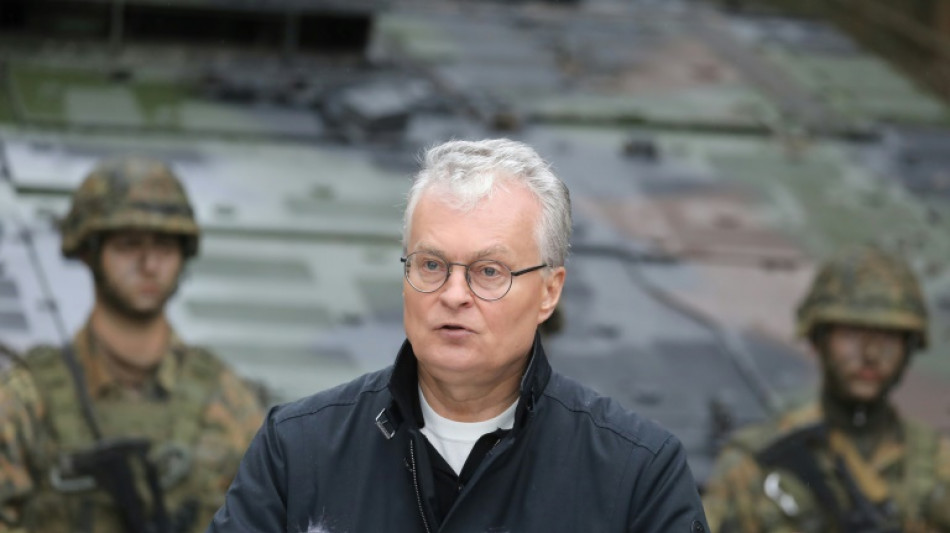
Lithuanian president, PM set for election runoff on May 26 / Photo: © AFP

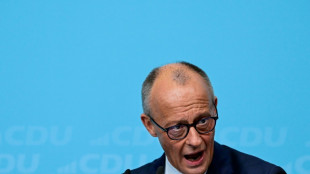
 Germany's Merz vows to stay course despite new vote losses
 Man City outgun Sunderland despite Brobbey hat-trick, Man Utd rescue Fulham draw

 Mourinho blames ref committee for Real Madrid derby defeat

 Maresca craves a 1-0 win after eight-goal Man City thriller
 Atletico Madrid beat Real Madrid in tense derby clash
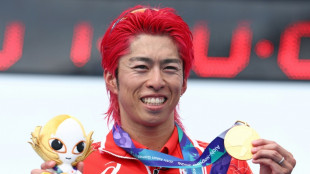
 Reusser retains world time-trial title

 Man City outgun Sunderland despite Brobbey hat-trick, Liverpool win at Bournemouth

 Top US, Chinese economic officials meet ahead of Trump-Xi summit
 Erdogan's LGBTQ crackdown 'first step of election campaign': activist

 Mass drone barrage on Moscow kills two

 82-year-old dies after beach fight in Greece over sun lounger

 US warns of rapid escalation in Mideast war

 Iran 'put hearts on the court' to win Asian Games basketball bronze
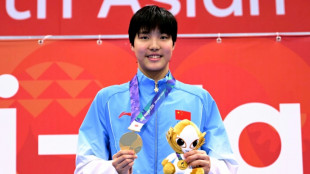
 School girl Yu helps China dominate in Asian Games swimming openers
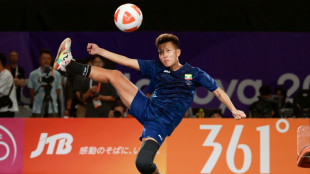 Myanmar win first Asian Games teqball gold as Spain great Puyol watches

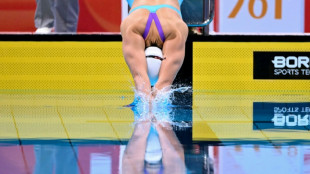 China's 13-year-old Yu scorches to first major gold at Asian Games
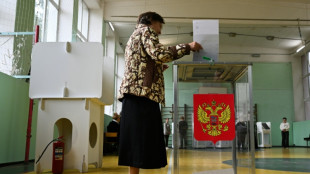
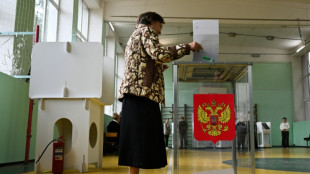 Russians vote on last day of parliamentary elections
 Hong Kong pays final respects to former city leader Tung
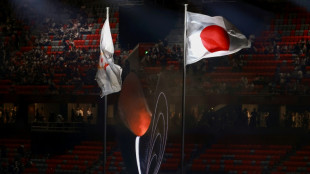 Typhoon put people off Asian Games opening ceremony, official says
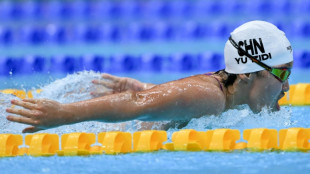 China's 13-year-old Yu cruises as Asian Games swimming begins
 AI 'warning shots' focus Beijing on national security risks

 Philippine tribe in limbo over US-led tech hub

 Leo XIV, first US pope transcends his restrained style
 Singer Ed Sheeran says Gaza situation 'unjustifiable' following controversy

 In 'Tenzing', a Sherpa mountaineer gets his due
Lithuania's president and prime minister will face off in the second round of the Baltic state's presidential vote on May 26 after the incumbent failed to win an overall majority in the first round on Sunday.
With almost all the ballots counted in the Baltic state which was once part of the Soviet Union, President Gitanas Nauseda was ahead with 46 percent of the vote while Prime Minister Ingrida Simonyte had 16 percent.
The election has been dominated by fears over neighbouring Russia and all the main candidates in the vote agreed the NATO and EU member should boost defence spending to counter the perceived threat.
Nauseda, a 59-year-old former banker, said he was confident of victory in the second round and would require "no strategy" to campaign against Simonyte.
His rival is a 49-year-old fiscal conservative with liberal views on social issues. She notably supports same-sex partnerships, which still stir controversy in the predominantly Catholic country.
Opinion polls in the run-up to the vote gave Nauseda a comfortable lead over the other seven candidates, including Simonyte and prominent lawyer Ignas Vegele.
Pensioner Aldona Majauskiene, 82, told AFP she had voted for Nauseda because "he is the best in every category".
Civil servant Airine, 53, said she voted for Simonyte and expects less populism from the future president.
"I am not voting for faces, I am voting for those who really can help boost our security and quality of living," she said.
Turnout was more than 59 percent -- the highest result since the 1997 presidential election.
Simonyte is running for president for a second time after losing to Nauseda in a run-off in 2019.
"Simonyte is supported by conservative party voters and liberal people, while Nauseda is a candidate of the left in terms of economic and social policy," Vilnius University analyst Ramunas Vilpisauskas told AFP.
The Lithuanian president steers defence and foreign policy, attending EU and NATO summits, but must consult with the government and parliament on appointing the most senior officials.
- Defence budget -
Lithuania, which has a population of 2.8 million people, is a top donor to Ukraine and a big defence spender, with a military budget currently equal to 2.75 percent of GDP.
The Simonyte-led government is expected to come forward with proposals within weeks that could help lift defence spending to three percent of GDP.
Lithuania intends to use the funds to purchase tanks and additional air defence systems, and to host a German brigade, as Berlin plans to complete the stationing of around 5,000 troops by 2027.
The uneasy relationship between Nauseda and Simonyte's ruling conservatives has at times triggered foreign policy debates, most notably on Lithuania's relations with China.
Bilateral ties turned tense in 2021, when Vilnius allowed Taiwan to open a de facto embassy under the island's name in a departure from the common diplomatic practice of using the name of the capital Taipei to avoid angering Beijing.
"China's reaction to the opening of the office was harsher than predicted, and that sparked the debate," Eastern Europe Studies Centre director Linas Kojala said, adding that China's response was hurting local businesses.
R.Adler--BTB