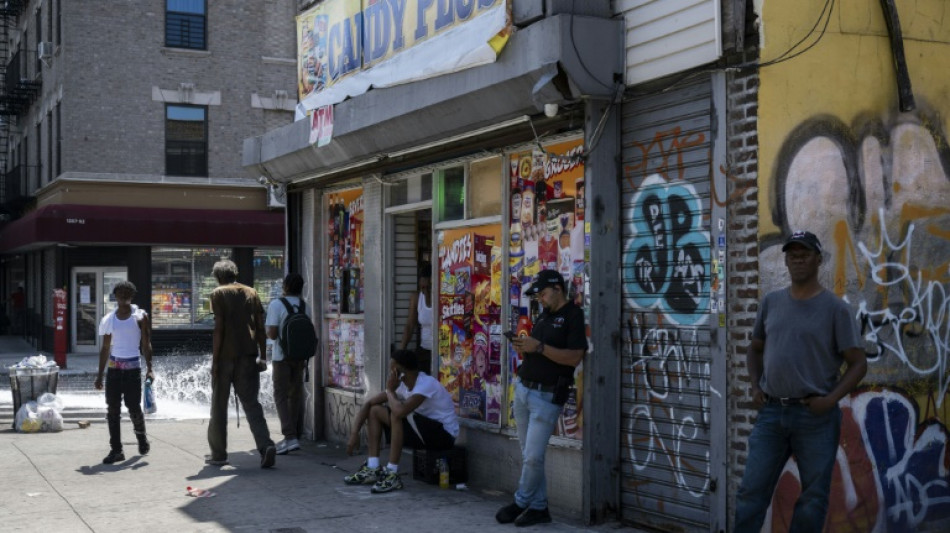
The Bronx, a steaming symbol of climate inequality in US / Photo: © AFP

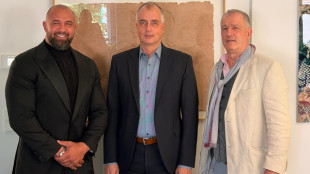 Alex Bodi and Prof. Dr Stefan Haupt agree to collaborate on a legendary art collection in Romania
 Stocks dip, oil rises as traders eye chances of Iran deal

 Israel squeezing UN Palestinian refugee agency ahead of polls: chief

 Dutch to resume Eurovision with new broadcaster
 Man Utd losses jump despite record revenues

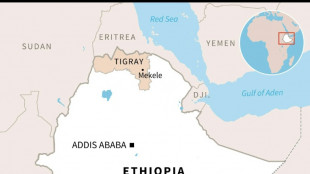 Ethiopia's Tigray rebels seize airports, clash with govt forces
 China prodigy wins third Games gold as North Korea weightlifters roar

 China's Yu, 13, wins third Asian Games gold but has 'some regrets'
 Oil falls, stocks steady as Trump hails 'good' Iran talks

 UK sets up unit to combat disinformation from Russia, AI

 ICC convicts C.Africa rebel leader

 China's Yu, 13, wins third gold with latest Asian Games record

 UK says will revisit Chagos deal after latest Trump criticism

 In first, French presidential candidate gives birth during campaign

 Cambodia no 'safe haven' for cyberscams, PM says
 North Korea weightlifter sets three world records for Asian Games gold
 A Full Moon for Every Child: STARTRADER's STARCARES Brings Support to SOS Children's Village Ho Chi Minh City

 Meta leans into AI, smart glasses amid privacy pushback
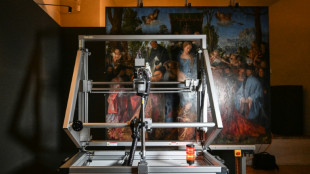 Battered Duerer masterpiece up for five-year revamp

 Trump met with Venezuela's interim leader at UN

 Malaysia furore after Najib wins conditional house arrest
 Italy hope for new dawn under Mancini

 Mongolian herders enlist new tech against harsher, drier climate

 Tata turmoil shines light on India succession woes
 World Cup 'not enough' as Spain begin next chapter

As much of America baked in heat waves this week, the relatively poor New York borough of the Bronx suffered disproportionately.
Reinaldo Morales, a 68-year-old military veteran, went to a seniors' community center with air conditioning because turning it on at home is too costly.
"We live in a cement jungle," he said.
"It's nice that they have a cooling center like this. But the idea that we can't even afford to cool our home is outrageous," said Morales.
Temperatures soared as high as 95 degrees Fahrenheit (35 degrees Celsius) this week in New York, far from the 118F (48C) that roasted Las Vegas.
But one image here stuck out: a swing bridge linking the Bronx and Manhattan got stuck in the half-open position for hours on Monday as the heat expanded the metal in its hydraulics. Boats pumped water to cool it off.
The Bronx endures problems with poverty, health care and air pollution, and some of its neighborhoods suffered more than others in the heat because of a lack of trees to cool things off.
"We have limited shading so it does get very hot especially when the sun is at its peak," said Sandra Arroyo, program director of Casa Boricua, the seniors' center where Morales went to cool off.
- 'You are suffocating' -
Many residents of the Bronx are low-earning Latinos or African Americans, who say the heat-absorbing buildings that line street after street make life -- and even breathing -- difficult in the scorching, muggy New York summer.
"You walk a block and you are suffocating," said Juan Lorenzo, a 72-year-old Dominican.
"You just get really tired," added Stephanie Rodriguez, a 21-year-old cashier watching her two-year-old son play in water spouts at the only large park in all of the borough.
"We need more green spaces," said Arif Ullah, head of a community organization called South Bronx Unite.
All along one bank of the Harlem River in the Bronx stand waste treatment facilities, a power plant and warehouses -- all sources of industry and thus, more heat.
Nearby sits a small shadeless kids park, under a series of highway overpasses.
Ullah said racist urban policies have allowed communities like his to become urban heat islands that lead to health problems.
"And really, it's a matter of life or death," he said.
Neighborhoods like Hunts Point and Mott Haven in the south of the Bronx have above-average rates of emergency room visits for respiratory problems attributable to pollution, according to a report issued in April by the New York city government, its first to address the issue of what is known as environmental justice.
The city says around 350 people in New York die each year because of the heat or health problems made worse by it, and Black residents are hit twice as often as their white counterparts.
The city says aggravating factors include a lack of air conditioning at home, a situation more common in the Bronx than New York's other boroughs.
Deadly heat waves in major cities in America and elsewhere have become more common because of climate change and things will only get worse, experts say.
D.Schneider--BTB