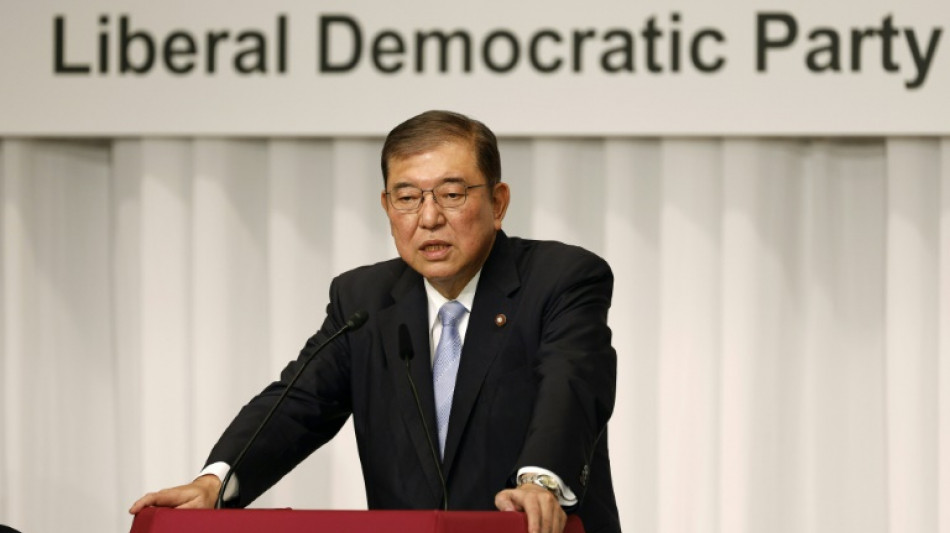
Shigeru Ishiba: Abe-critic wins Japan top job at last / Photo: © POOL/AFP/File

 Battered Duerer masterpiece up for five-year revamp
 Trump met with Venezuela's interim leader at UN

 Malaysia furore after Najib wins conditional house arrest

 Italy hope for new dawn under Mancini

 Mongolian herders enlist new tech against harsher, drier climate
 Tata turmoil shines light on India succession woes

 World Cup 'not enough' as Spain begin next chapter

 Meta acts against 3.7 mn scammers' accounts with Singapore police help

 Australia PM says draft social media rules about taking back control

 Voting opens in Alaska's annual Fat Bear Week
 MLS coach axed for telling female ref 'It's a man's game'

 US refuses to give Sudan's de facto leader visa for UN
 Man City hold Bayern to start Women's Champions League, Arsenal win late
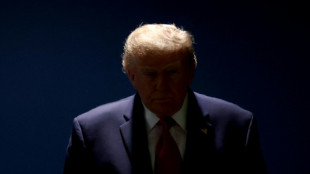
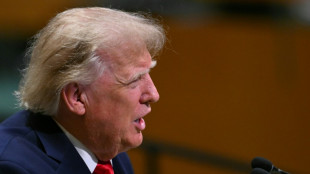 Trump threatens Iran with 'hell' but reveals fresh talks

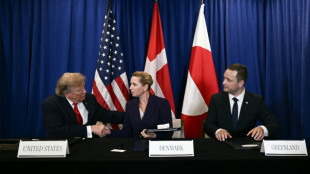 Trump signs security deal with Greenland, Denmark at UN
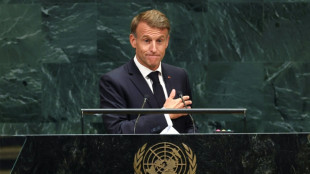
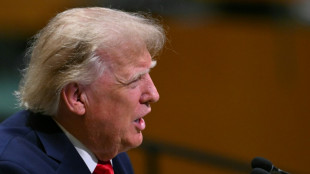 Trump threatens Iran with 'hell' but unveils fresh talks

 Chile's Atacama Desert blossoms with life after El Nino rains

 Sri Lanka hands 220-year jail terms to 15 convicted of Easter bombings

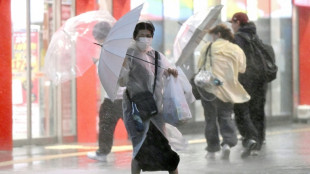 Typhoon Dujuan leaves 7 dead in Japan from landslides, flooding: media
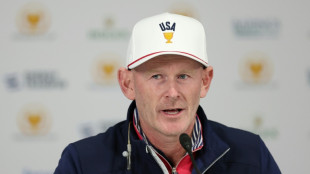
 Ganna and Borghini lead Italy to mixed relay gold at cycling worlds

 Drug cocktail killed former child star Hayden Panettiere: coroner
 Moldova declares energy, water emergency
 French Holocaust denier jailed for eight months
 Oil prices slide, AI stock buzz fades

 Trump threatens to 'annihilate' Iran in bombastic UN speech

Shigeru Ishiba, who will be Japan's next prime minister after winning his party's leadership vote on Friday, is a seasoned lawmaker known for his in-depth security policy knowledge.
A former defence minister, Ishiba's push to boost the military and call for the creation of an Asian NATO could rile Beijing, but he is careful with his words concerning China.
He argues that Japan's military should be able to take a stronger response when territorial airspace or waters are breached. Currently a warning shot is the only option, and China is "well aware" of that, he has said.
Although he is relatively popular with the public, Ishiba has had four failed bids to lead his Liberal Democratic Party (LDP), including a 2012 try against his arch-rival Shinzo Abe before prevailing this time against a nationalist.
For a long time Ishiba alienated party heavyweights with his "outspoken criticism of LDP policies under Abe", said Yu Uchiyama, a politics professor at the University of Tokyo.
But recently he has been "vocal about the need for the LDP to turn over a new leaf when it comes to the funding scandal and other issues", which may have worked in his favour.
He has also proposed creating a government agency in charge of disaster prevention in the earthquake-prone country that is also frequently hit by typhoons and heavy rains.
"My life's work is security, disaster prevention, and the revitalisation of rural regions," Ishiba said in a recent interview with the Mainichi Shimbun daily, pledging to focus on these issues as prime minister.
- 'Don't repeat mistakes' -
Ishiba, whose politician father was at one point a Cabinet minister, grew up in the remote rural region of Tottori.
He read law at university and became a banker before entering politics, winning his first parliamentary seat with the LDP in 1986, aged 29.
During his long career, the father of two has held several key posts including LDP secretary general and minister for agriculture.
The political veteran is a fan of trains, 1970s pop idols and making military models -- including one of a Soviet aircraft carrier for the visit of a Russian defence minister.
In the run-up to Friday's vote, Ishiba pledged to boost the economy by encouraging domestic investment in the chip and AI sectors among other policies, such as using nuclear power alongside renewables to fuel the resource-poor country.
He supports the Bank of Japan's exit from its longstanding unorthodox monetary easing policies -- championed by Abe -- and has said "there is room for raising the corporate tax".
The money raised by this tax hike will help the government in its existing plan to ramp up defence spending to the NATO standard of two percent of GDP by 2027, according to Ishiba.
He aims to raise Japan's low birth rate through measures including a review of the country's notorious long working hours and expanding support for parents, and wants to fight rural depopulation by revitalising regional economies.
Ishiba has said he is uniquely qualified for the job because he has experienced many setbacks when tackling tough social issues, such as agriculture reforms.
"I have always asked myself why and how things didn't always go well. I don't want future generations to repeat the same mistakes," he said in a debate on Wednesday.
O.Lorenz--BTB