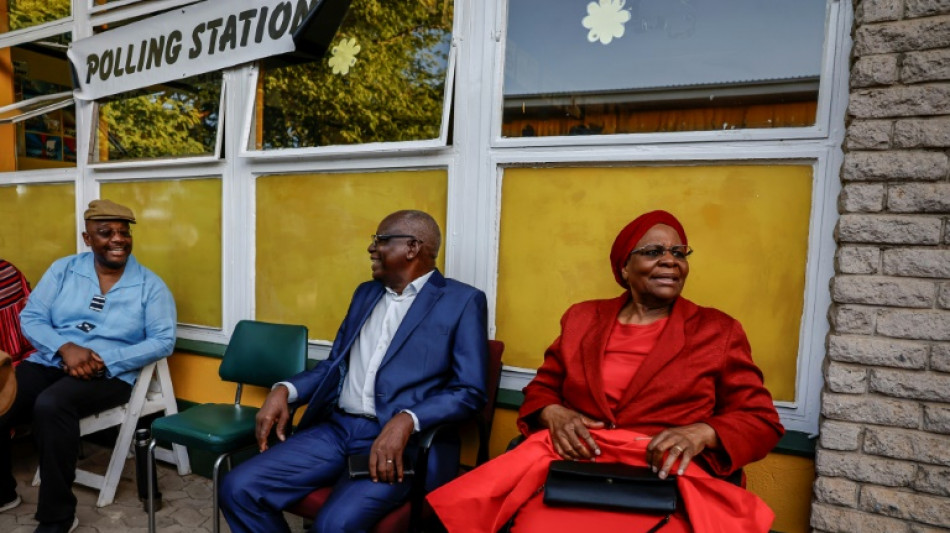
Namibia votes with ruling party facing toughest race yet / Photo: © AFP

 Kansas City Fed Chief Says Inflation Is Still Running Too Hot

 Asian Markets Slide as AI Concerns Hit Chip Stocks

 Brazil Faces Debt and Inflation Test as Lula Prepares Fourth Term
 Chinese Drug Ribupatide Shows Greater Weight Loss Than Wegovy in Clinical Trial
 US Mortgage Rate Falls for Fourth Week but Remains Above 7%
 Italy Raises 2026 Growth View but Warns Energy Will Keep Inflation High

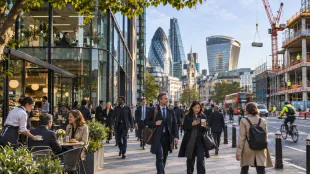 UK Economy Grows 0.7% in Third Quarter as Services Lead Expansion
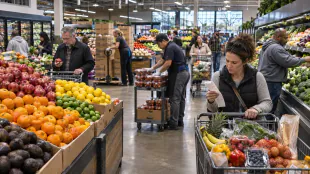
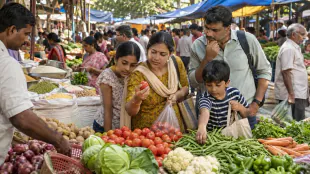 India's Retail Inflation Reaches 6.09% as Food Prices Accelerate

 China's October Activity Data Reveal a Weak Start to the Fourth Quarter

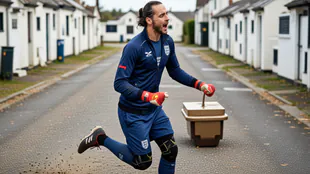 Thomas Tuchel Refuses to Name England Number One Goalkeeper After James Trafford's Display

 Qatar's Amir and Venezuelan Acting President Discuss Energy Cooperation

 Russell Brand’s Wife Reads Prison Letter Denying Guilt; Fellow Inmate Questions Faith

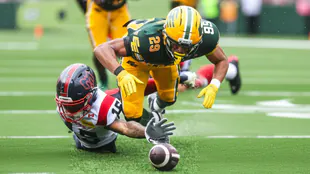 Alouettes and Elks Set for 113th Grey Cup Showdown
Namibians stood in queues for several hours to vote Wednesday in elections that could usher in the desert nation's first woman leader even as the dominant SWAPO party faces the strongest challenge yet to its 34-year grip on power.
The South West Africa People's Organisation candidate Netumbo Nandi-Ndaitwah, 72, cast her ballot as soon as polls opened for the roughly 1.5 million voters in the sparsely populated country.
SWAPO has governed since leading mineral-rich Namibia to independence from South Africa in 1990 but complaints about unemployment and enduring inequalities could force Nandi-Ndaitwah into an unprecedented second-round if she fails to garner at least half the vote.
Also voting early was one of her main challengers, Panduleni Itula, a former dentist and lawyer who founded the Independent Patriots for Change party in 2020 and was optimistic it could "unseat the revolutionary movement".
"We will all march from there and to a new dawn and a new era of how we conduct our public affairs in this country," the 67-year-old told reporters.
Itula took 29 percent of votes in the 2019 elections, losing to SWAPO leader Hage Geingob with 56 percent. It was a remarkable performance considering Geingob, who died in February, had won almost 87 percent five years earlier.
Namibia is a major uranium and diamond exporter but not many of its nearly three million people have benefitted from that wealth.
"There's a lot of mining activity that goes on in the country, but it doesn't really translate into improved infrastructure, job opportunities," said independent political analyst Marisa Lourenco, based in Johannesburg.
"That's where a lot of the frustration is coming from, (especially) the youth," she said.
Unemployment among 15- to 34-year-olds is estimated at 46 percent, according to the latest figures from 2018, almost triple the national average.
- Second round? -
For the first time in Namibia's recent history, a second round is "a somewhat realistic option", said Henning Melber, of the Nordic Africa Institute at the University of Uppsala.
It would take place within 60 days of the announcement of the first-round of results due by Saturday.
"The outcome will be tight," said self-employed Hendry Amupanda, 32, who queued since 9:00 pm the night before to cast his ballot.
"I want the country to get better and people to get jobs," said Amupanda, wearing slippers and equipped with a chair, blanket and snacks.
Marvyn Pescha, a self-employed consultant, said his father was part of SWAPO's liberation struggle and he was not going to abandon the party.
"But I want SWAPO to be challenged for better policies. Some opportunistic leaders have tarnished the reputation of the party, they misuse it for self-enrichment," the 50-year-old said.
Frieda Fillipus, 31, also backed the SWAPO candidate. "The future is female," she said.
Many voters queued for hours to reach the polling stations before their scheduled close at 9:00 pm (1900 GMT). "The process is so slow," said business analyst Simpson David, 36, who had waited for eight hours.
- Shifting landscape -
While lauded for leading Namibia to independence, SWAPO is nervous about its standing after other liberation-era movements in the region have lost favour with young voters.
In the past six months, South Africa's African National Congress lost its parliamentary majority and the Botswana Democratic Party was ousted after almost six decades in power.
In Mozambique, though the ruling Frelimo won recent elections, civil society and opposition groups have protested for weeks claiming fraud and demanding change.
"Young people have been feeling the brunt of the current economic downturn in a lot of African countries," said Nic Cheeseman, a professor in African politics at the University of Birmingham.
"It's not just that they're young and it's not just that they don't remember, it's also that they really feel the pinch of the economic crisis."
"The challenges affecting Namibia, similar to the challenges affecting other African countries, are shifting the political landscape drastically," said Tendai Mbanje, an election expert at the Johannesburg-based African Centre for Governance.
O.Krause--BTB

