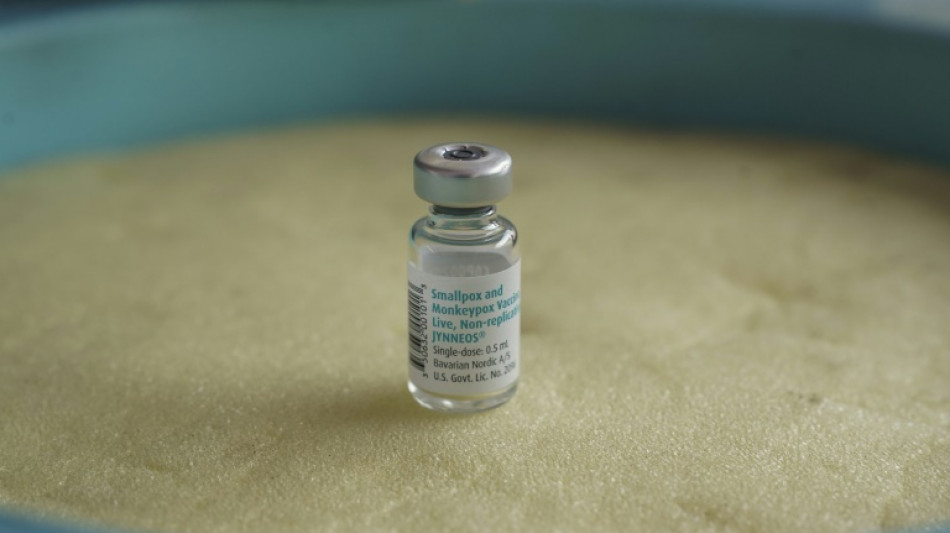
'End in sight' to talks on pandemic treaty, says WHO chief / Photo: © AFP

 Brazil Faces Debt and Inflation Test as Lula Prepares Fourth Term
 Chinese Drug Ribupatide Shows Greater Weight Loss Than Wegovy in Clinical Trial
 US Mortgage Rate Falls for Fourth Week but Remains Above 7%
 Italy Raises 2026 Growth View but Warns Energy Will Keep Inflation High
 UK Economy Grows 0.7% in Third Quarter as Services Lead Expansion

 India's Retail Inflation Reaches 6.09% as Food Prices Accelerate

 China's October Activity Data Reveal a Weak Start to the Fourth Quarter

 Thomas Tuchel Refuses to Name England Number One Goalkeeper After James Trafford's Display
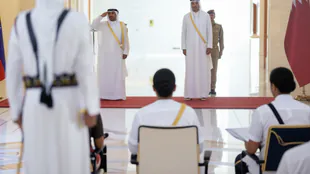 Qatar's Amir and Venezuelan Acting President Discuss Energy Cooperation

 Russell Brand’s Wife Reads Prison Letter Denying Guilt; Fellow Inmate Questions Faith

 Alouettes and Elks Set for 113th Grey Cup Showdown
Countries trying to negotiate a global agreement on handling future pandemics began an extra week of talks Monday, with the WHO chief insisting the end was in sight.
The talks at the World Health Organization's headquarters in Geneva opened three years on from the decision to draft a new accord on pandemic prevention, preparedness and response taken in the heat of Covid-19 crisis.
"You know your task and you know what is at stake," WHO director-general Tedros Adhanom Ghebreyesus told negotiators for the UN health agency's 194 member states.
"You should be proud of what you have achieved in the past three years and you should also be confident that the end is in sight. It's closer than you think.
"I believe that you can finalise the pending issues before the end of this year," he added.
Concluding an international agreement in little over three years would be exceptionally fast, given the typical glacial pace of striking treaties.
While countries agree on the broad scope of what they want, the fine details remain in contention.
"For the pandemic agreement to be meaningful, you need provisions of strong prevention, for continued preparedness, and for robust, resilient and equitable response," warned Tedros.
"An imbalanced pandemic agreement is not an agreement."
- Sense of urgency -
The one-week session is a resumption of the 12th round of negotiations, which lasted from November 4 to 15.
Monday's talks focused on research and development, sustainable financing, transfer of technology and know-how for the production of pandemic-related health products, prevention and surveillance, and on the heart of the agreement: the proposed pathogen access and benefit-sharing system.
On Friday, countries will take stock and decide if they have made sufficient progress to call a special session of the World Health Assembly in order to adopt a finalised agreement.
A special session of the WHO's top decision-making body takes 35 days to arrange.
On many minds is the return of Donald Trump to the US presidency on January 20.
Trump is hostile towards the WHO. In his first term, he began pulling the United States out of the organisation, accusing it of being a puppet of China.
Talks co-chair Precious Matsoso said it was hoped this week would "resolve most of the issues".
Co-chair Anne-Claire Amprou called it a "crucial week for the advancement of our work", and urged countries to work in a pragmatic, flexible and realistic manner.
"This is becoming urgent," she added.
S.Keller--BTB

