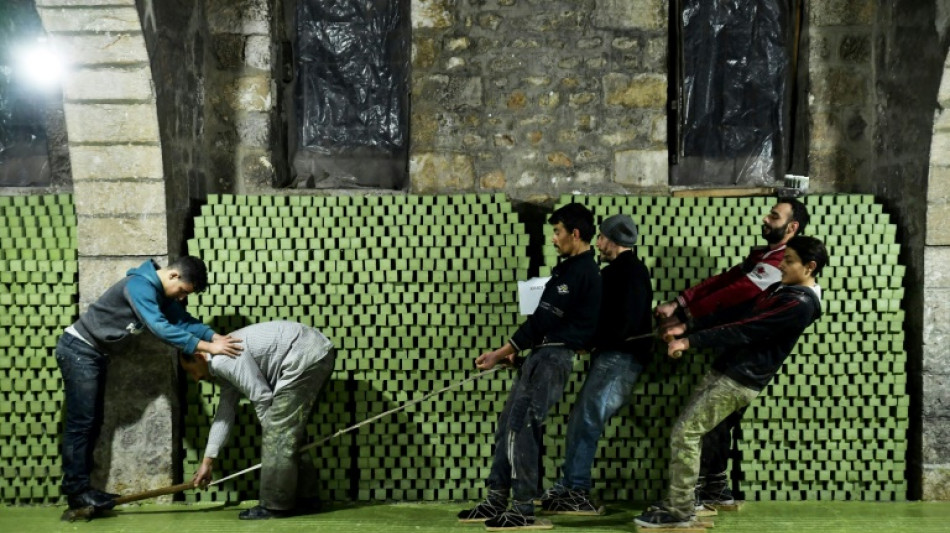
UNESCO grants heritage status to Aleppo soap as Syria war flares / Photo: © AFP/File

 US Mortgage Rate Falls for Fourth Week but Remains Above 7%

 Italy Raises 2026 Growth View but Warns Energy Will Keep Inflation High

 UK Economy Grows 0.7% in Third Quarter as Services Lead Expansion
 India's Retail Inflation Reaches 6.09% as Food Prices Accelerate
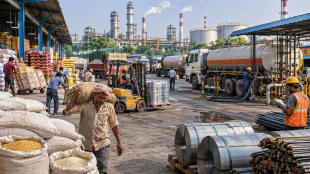
 China's October Activity Data Reveal a Weak Start to the Fourth Quarter

 Thomas Tuchel Refuses to Name England Number One Goalkeeper After James Trafford's Display

 Qatar's Amir and Venezuelan Acting President Discuss Energy Cooperation

 Russell Brand’s Wife Reads Prison Letter Denying Guilt; Fellow Inmate Questions Faith

 Alouettes and Elks Set for 113th Grey Cup Showdown

The UN's cultural organisation added Aleppo's famous soap to its intangible cultural heritage list Tuesday with Syria's second city again wracked by war.
Artisans have brewed olive and laurel oil in large pots for some 3,000 years in the city -- which fell to Islamist-led rebels last week -- allowing the mixture to cool before cutting it into blocks, and stamping them by hand.
Aleppo soap joins the city's traditional music, Al-Qudoud al-Halabiya, on UNESCO's list of intangible cultural heritage, while the city itself -- declared a world heritage site in 1986 -- was added to the organisation's endangered list in 2013 amid the country's civil war.
Makers craft the product using "traditional knowledge and skills", said UNESCO, adding they rely on a mix of natural, locally produced ingredients and a drying process that can take up to nine months.
Aleppo had been slowly recovering from the wounds inflicted by more than a decade of civil war when Islamist-led rebels captured the city last week in a shock offensive that put forces loyal to Syria's President Bashar al-Assad to flight.
Of the 100 soap factories in the city only about 10 remain, with many having relocated to Damascus or neighbouring Turkey.
But the soap remains essential to the families and communities involved in the trade.
"The collaborative production process promotes community and family unity," said UNESCO.
W.Lapointe--BTB