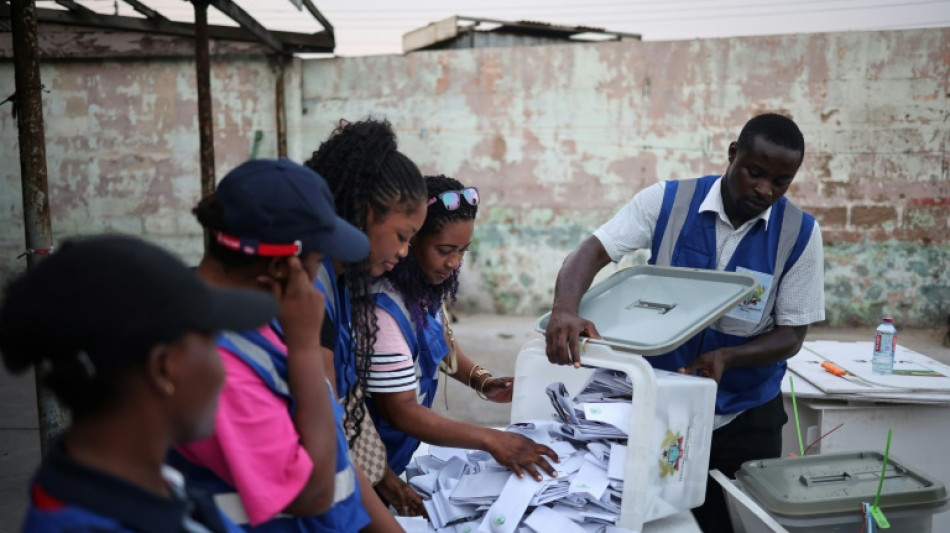
Ghana counts ballots after tight presidential race / Photo: © AFP

 US Mortgage Rate Falls for Fourth Week but Remains Above 7%
 Italy Raises 2026 Growth View but Warns Energy Will Keep Inflation High
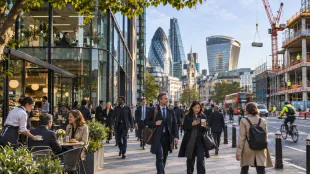 UK Economy Grows 0.7% in Third Quarter as Services Lead Expansion
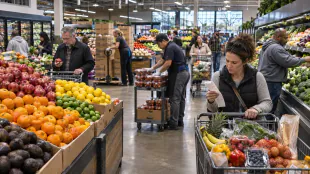
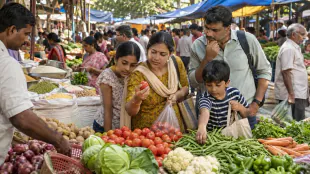 India's Retail Inflation Reaches 6.09% as Food Prices Accelerate
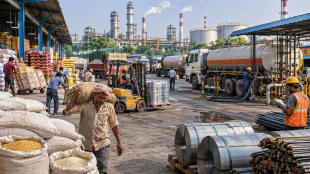
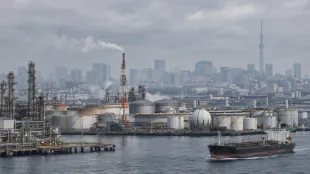
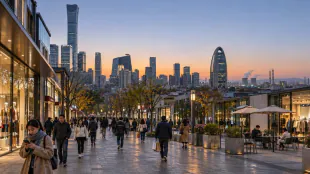 China's October Activity Data Reveal a Weak Start to the Fourth Quarter
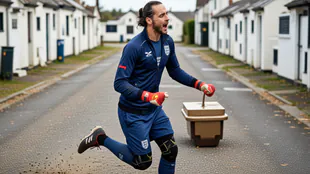 Thomas Tuchel Refuses to Name England Number One Goalkeeper After James Trafford's Display

 Qatar's Amir and Venezuelan Acting President Discuss Energy Cooperation

 Russell Brand’s Wife Reads Prison Letter Denying Guilt; Fellow Inmate Questions Faith

 Alouettes and Elks Set for 113th Grey Cup Showdown

Ghana counted ballots on Saturday after a tight election with the ruling party's Vice President Mahamudu Bawumia trying to shake off anger over economic woes and rebuff a challenge by opposition party candidate ex-president John Mahama.
Ghana's struggling economy dominated the election, after the west Africa gold and cacao producer went through a debt default, high inflation and negotiations for a $3 billion IMF bailout.
Voters were choosing a successor to Bawumia's boss, President Nana Akufo-Addo, who steps down after serving the maximum of two four-year terms. They will also elect the country's new parliament.
Voting was mostly calm, but one person was shot dead and four people arrested at a polling station in Nyankpala in the country's northern region, police and local media said.
After polls closed at 1700 GMT, election teams immediately began tallying ballots under the watch of agents from political parties before sending them to collation centres.
Preliminary results are expected early Sunday, with full presidential results scheduled by Tuesday.
"Everyone is complaining prices are high. So I want a change, I want a good president who will bring in changes," Abdullah Mohammed, a student said after voting in Accra's Nima district.
With a history of political stability, Ghana's two main parties, the ruling New Patriotic Party (NPP) and National Democratic Congress (NDC), have alternated in power equally since the return to multi-party democracy in 1992.
Touting the slogan "Break the 8" -- a reference to going past the usual two terms in power -- the NPP hopes Bawumia can lead them to an unprecedented third term. But he struggled to break away from criticism of Akufo-Addo's economic record.
"I think we have done a lot of work with our message to the people and the message has been well received," Bawumia said after voting in his northern home Walewale.
A UK-educated economist and former central banker, he points to an economy turning a corner and the government's continued plans for digitalisation to ease business, as well as free education and health programmes.
- Economic frustrations -
But though inflation slowed from more than 50 percent to around 23 percent, and other macro-economic indicators are stabilising, the economic pain was still a clear election issue.
Many Ghanaians still say they struggle with the cost of living, scarce jobs and a depreciated cedi currency.
Frustration over the economy has opened the way for a comeback challenge from Mahama, who was president from 2012 to 2017 but has since failed twice in presidential bids.
The NDC flag-bearer says he will "reset" Ghana and introduce a "24-hour economy", extending industrial hours to create jobs, and also renegotiate parts of the IMF deal.
"Other elections have not been as obvious," Mahama said voting in his northern hometown. "With this one, everybody can tell the direction because of the abysmal performance of the Akufo-Addo-Bawumia government."
Some analysts gave him an edge because of voter dismay with NPP, but the former president faced criticism from those who remember financial woes and massive power cuts during his time in office.
Shoe saleswoman Esther Adobea said the economic situation hurt, but she was willing to give Bawumia a chance to make things better.
"I can see he can handle the country for us. Our economy is not good, but he can do better," she said.
Both major candidates are from the north of the country -- traditionally an NDC stronghold, but now more fragmented -- making the region a key battleground.
The spread of illegal gold mining also became an election issue. Akufo-Addo promised to stop illegal mining, but it has expanded, poisoning riverways and impacting cacao farmlands -- a major source of export income.
P.Anderson--BTB

