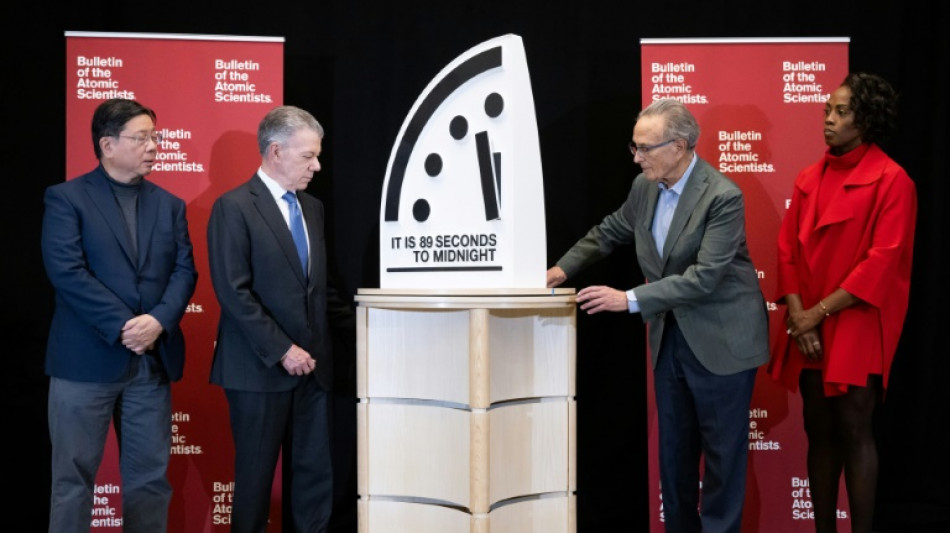
Doomsday clock ticks one second, closest ever to midnight / Photo: © AFP

 Stocks move lower despite oil prices dropping
 AI driving up innovation investment: UN

 UN Security Council extends Haiti mission by 6 months
 Man Utd do not deserve medals if Man City stripped of titles: Rooney
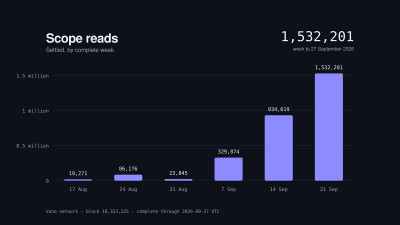 Vana Completes Expanded Staking as Part of the Vega Upgrade, Publishes Expanded VANA Token Economics
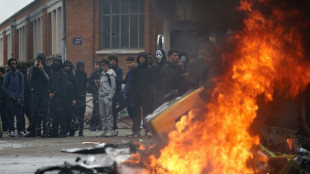
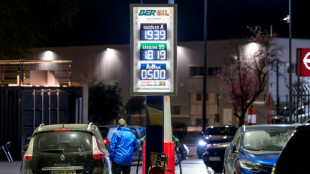 Spain to cap gas price hikes, extend fuel discounts
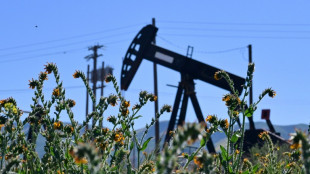
 'We just need rain': Germany's Rhine river hits new low
 Yemen health system at 'breaking point': WHO
 Ireland undecided on second Israel match: coach
 France's Le Pen defiant after top ally hit by antisemitism claims
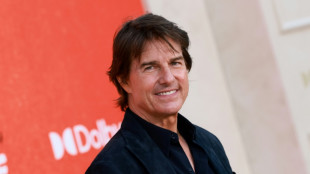 Tom Cruise trades stunts for satire as toxic tycoon 'Digger'
 MEXC Unveils "WE SEE YOU" Brand Visual Refresh, Putting People Behind Every Trade in Focus
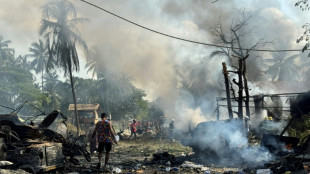
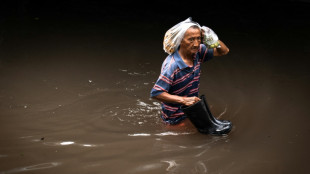 Thai capital cleans up after deadly floods
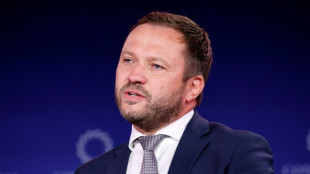 NATO, EU allies rally to Estonia after 'sabotage' blamed on Russia
 Families demand justice for Cameroon's 'nightmare' wave of murdered women
 Tebas says Man City should face 'most severe' sanctions if guilty of rule breaches
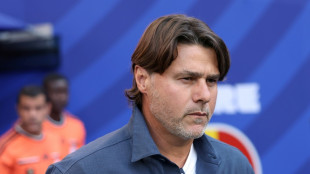 Pochettino calls Man City success 'a period of deception'
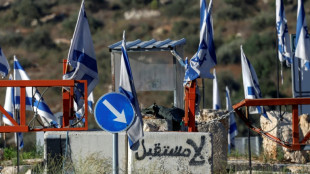 Settler attack on West Bank village injures Israeli forces, drawing rare rebuke
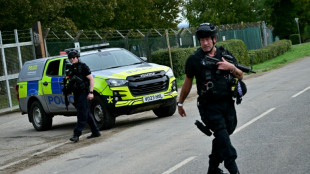 Mystery over UK airbase scare after reports no explosives found
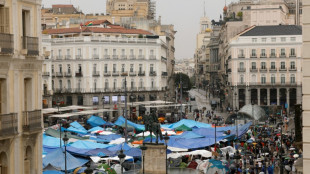 Spanish govt races to adopt housing law under protest pressure
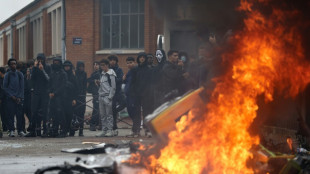
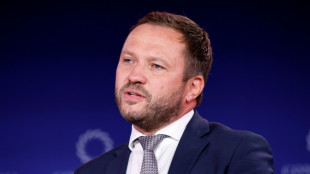 Estonia slams Russian 'sabotage' after arson attack on defence company
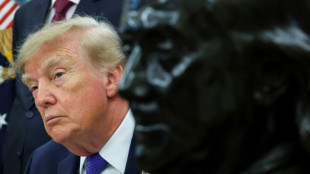 Slovenia sees surge in '.si' sites after Trump hypes 'super intelligence'
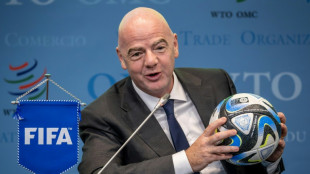
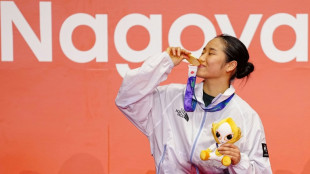 'Like a dream' for An as Games organisers 'sorry' for latest mix-up
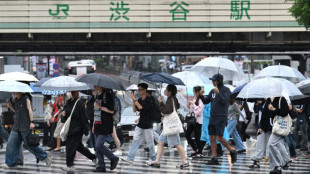 Tokyo suffers longest streak of rainy days on record

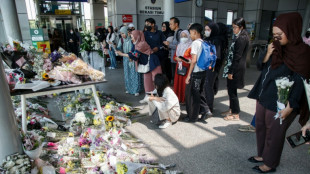 Indonesia charges train driver over crash that killed 16 women
The "doomsday clock" symbolizing how close humanity is to destruction ticked one second closer to midnight Tuesday as concerns on nuclear war, climate and public health were jolted by US President Donald Trump's return.
The Bulletin of the Atomic Scientists, which set up the clock at the start of the Cold War, shifted the clock to 89 seconds to midnight, the closest it has ever been, a week after Trump's inauguration.
The clock was last moved to 90 seconds to midnight over nuclear-armed Russia's invasion of Ukraine in 2022. It was originally placed at seven minutes to midnight in 1947.
"At 89 seconds to midnight, the doomsday clock stands closer to catastrophe than at any moment in its history," said former Colombian president and Nobel Peace laureate Juan Manuel Santos, chair of The Elders, a group of major former leaders.
"The clock speaks to the existential threats that confront us and the need for unity and bold leadership to turn back its hands," he told a news conference in Washington to present the findings from the board of experts.
"This is a bleak picture. But it is not yet irreversible," he said.
Just days into his second presidency, Trump has already shattered norms on international cooperation.
Santos welcomed Trump's pledges for diplomacy with Russia and China. Trump has vowed to end the Ukraine war, which has raised fears of Russian use of nuclear weapons, by pressing both sides.
But Santos said that the US withdrawal from the Paris climate accord and World Health Organization set back the planet on two top risks.
The world just experienced another record-breaking year of high temperatures and major disasters.
Other countries could soon say that if the United States, the world's largest economy, "is not going to make an effort to limit the carbon emissions, why should I?" Santos said.
And with many people's memories fading of Covid-19, "we have to remind them what happened -- and what will happen will be worse, according to all the scientists," Santos said.
- Threats, and benefits, from AI -
Suzet McKinney, a public health expert on the board of Bulletin of the Atomic Scientists, said the risks of infectious disease was confounded by advances in artificial intelligence, which increase the risks that rogue actors could unleash biological weapons.
"As nation-states around the world and even our own government engage in practices that are sure to encourage rogue behavior and/or cripple our ability to curb the spread of infectious diseases, novel or otherwise, we cannot hide our heads in the sand," she told the news conference.
But Robert Socolow, a physicist who also serves on the board, said that the unveiling of Chinese intelligence firm DeepSeek -- which has rattled the United States -- could ultimately also pay dividends by reducing energy demand from the fast-growing field of AI.
The Chinese breakthrough may mirror "the kind of progress in semiconductor chips that reduce the energy demands of ordinary computing" in the analogue era.
But the experts also warned that artificial intelligence risked worsening disinformation.
"All of these dangers are greatly exacerbated by a potent threat multiplier -- the spread of misinformation, disinformation and conspiracy theories that degrade the communication ecosystem and increasingly blur the line between truth and falsehood," said Daniel Holz, chair of the board.
M.Ouellet--BTB