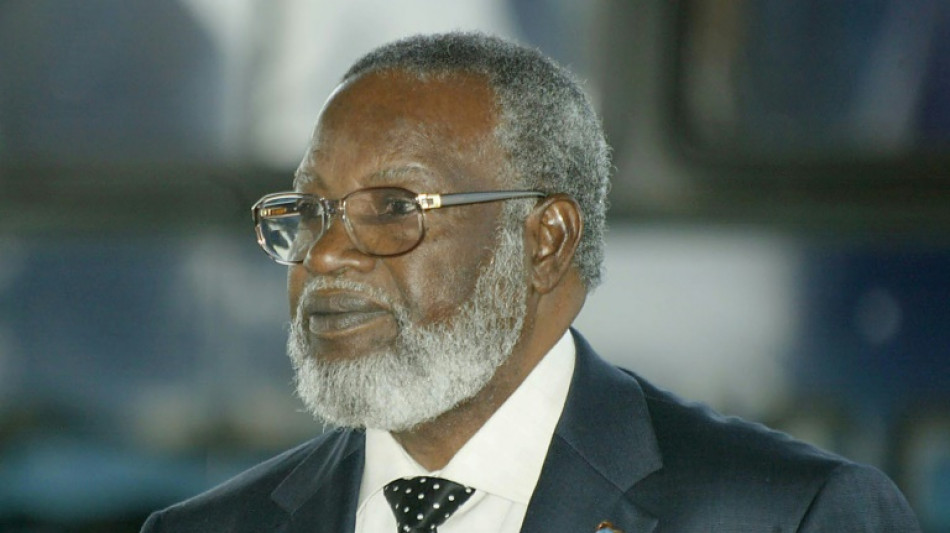
Sam Nujoma: Namibia's liberator, founding father / Photo: © POOL/AFP

 Brazil football clubs face massive sponsorship blow from betting ban
 ChatGPT maker wants to be the App Store for AI as safety concerns grow
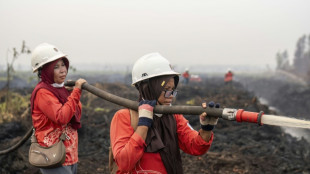 Women fight fires and sexism in Indonesian Borneo
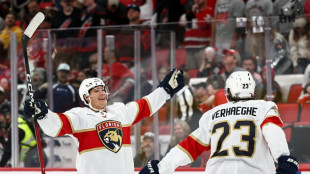 Forsling's OT blast lifts Florida over Carolina in NHL opener
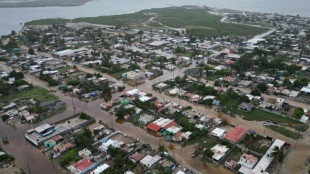 Hurricane Polo sweeps over Mexico's Pacific coast, heads inland
 Grynspan pulls ahead in race to lead UN: diplomat
 Trump touts AI boss pledge to self-regulate
 Oil down, but stocks lower as bond yields rise
 England break down stubborn Czechs to claim first Nations League win
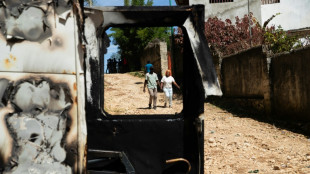 UN Security Council extends Haiti anti-gang force by 6 months
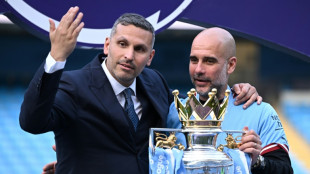
 Manchester City guilty of Premier League charges: What comes next?
 Man City chief Soriano slams Premier League 'conspiracy theory'
 Hurricane Polo sweeps over Mexico's Pacific coast
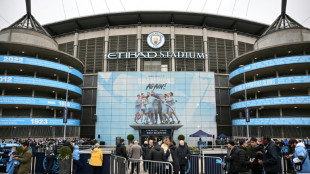 Man City must be relegated after guilty verdict says club's former chairman

 German far-right aims to lead Saxony-Anhalt govt in December
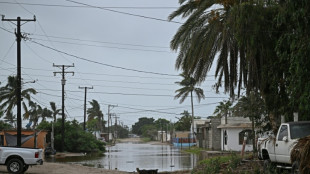 Little damage as Hurricane Polo sweeps over Mexico's Pacific coast
 Manchester City guilty of breaking financial rules - Premier League
 FIFA boss Infantino blasted as would-be 'emperor' by UEFA's Ceferin
 Stocks move lower despite oil prices dropping
 AI driving up innovation investment: UN
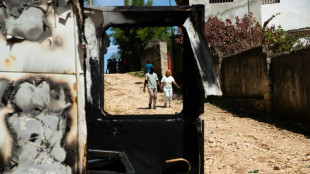 UN Security Council extends Haiti mission by 6 months
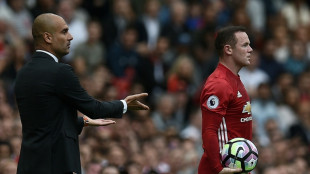 Man Utd do not deserve medals if Man City stripped of titles: Rooney
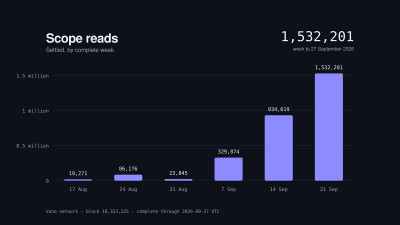 Vana Completes Expanded Staking as Part of the Vega Upgrade, Publishes Expanded VANA Token Economics
 Spain to cap gas price hikes, extend fuel discounts
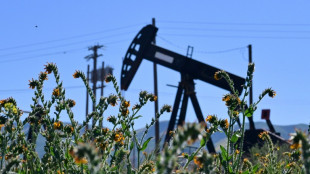
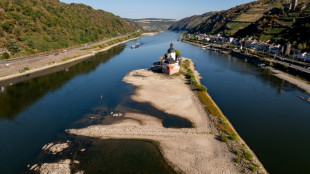 'We just need rain': Germany's Rhine river hits new low
Namibia's first president Sam Nujoma, who died Saturday aged 95, was revered for leading his country to independence from apartheid South Africa in 1990.
A towering figure, Nujoma headed the South West Peoples' Organisation (SWAPO) that led the liberation struggle since its inception in 1960.
While SWAPO has remained in power since independence, Nujoma finally gave up the reigns in 2007 at the age of 78, two years after standing down from the presidency.
Even after he retired, Nujoma -- one of Africa's last remaining independence leaders -- was lauded in his sparsely populated country of around three million people.
The face of the larger-than-life, white-bearded liberator appears on several Namibian dollar notes. A six-metre tall statue of Nujoma greets visitors outside the Namibian Independence Museum.
Streets have been named after him at home and also in other countries in Southern Africa.
One of his last public appearances was at an Africa Day event in 2022 when he showed little sign of being 93 years old. Supported by a walker, he raised one hand in a fist and recalled the ideals of the continent's independence movements.
Two weeks earlier, in an interview with state-owned New Era newspaper, he criticised as insufficient a one-billion-euro settlement offered by Germany in compensation for its colonial-era genocide of Herero and Nama peoples from 1904 to 1908.
"Namibia must return to the negotiating table with Germany," he said, slamming Germany's cash offer as "woefully insignificant".
Almost wooden in his demeanour, Nujoma seldom appeared relaxed in public.
In finger-wagging speeches, he did not hold back his scorn for the South African governments that occupied Namibia from 1915 to 1990, calling them "boers", "colonisers" and "white settlers".
While president, he unequivocally backed Robert Mugabe's controversial land reforms in nearby Zimbabwe and was not shy to keep ties with rulers of Cuba, Libya, Iran, North Korea and China.
He called homosexuality "madness" and warned in 2001 that gays and lesbians would be arrested and jailed or deported.
His policy on AIDS earned him some international praise, but he came under fire for refusing to rehabilitate several hundred SWAPO fighters who were kept in prison in Angola accused of being "spies" for South Africa.
- Son of poor farmers -
Born to poor farmers, Nujoma traced the awakening of his political consciousness to his teenage years when he moved from a tiny tribal village in northern Namibia to the harbour town of Walvis Bay.
Arriving aged 17, he lived with an aunt in a black township and was privy to adult conversations about the plight of black people under white-minority rule.
The son of poor farmers from the Ovambo tribe and eldest of 10 children, Nujoma's first job was as a railway sweeper near Windhoek in 1949 while he went to night school, according to an autobiography published in 2001.
It was there that he was introduced to Herero tribal chief Hosea Kutako who was lobbying to end apartheid rule in Namibia, then known as South West Africa.
Kutako became his mentor, shepherding the young Nujoma as he became politically active among black workers in Windhoek who were resisting a government order to move to a new township in the late 1950s.
At Kutako's request, Nujoma began life in exile in 1960, first to Botswana, and leaving his wife and four children behind.
That same year he was elected president of SWAPO, later shuttling from capital to capital in the quest for support and launching a low-level armed struggle in 1966.
On retirement from the presidency, he enrolled for a masters degree in geology, believing that Namibia's mountains contained much untapped mineral wealth.
Y.Bouchard--BTB