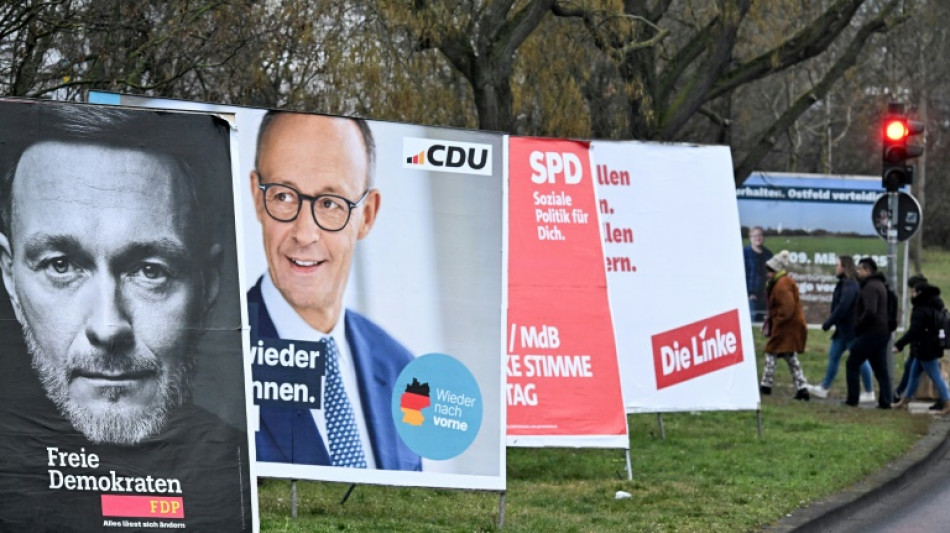
Attacks, 'firewall' row, Trump: rocky run-up to German vote / Photo: © AFP

 Japan win marathon penalty shootout to set up South Korea gold-medal clash
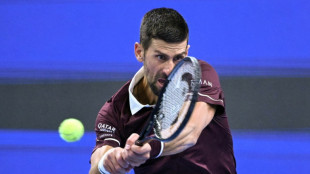 Djokovic grinds out opening-round win at China Open
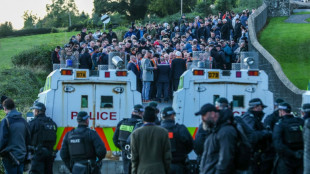 Northern Ireland police probe blockade of disputed parade
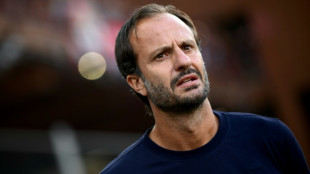
 UK PM Burnham reopens divisive debate on rejoining EU
 Man City future in doubt after guilty verdict
 'Do something,' begs Iranian woman after death sentence over protests
 China extends 52-year unbeaten record as Games organisers say sorry
 In Manchester, people say City scandal is 'shame for football'
 Stocks lacklustre as inflation data weighs on sentiment
 Israel-bound plane rerouted, pilots wounded in reported fight
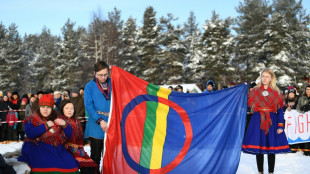 Truth commission on Sweden's Sami people seeks redress

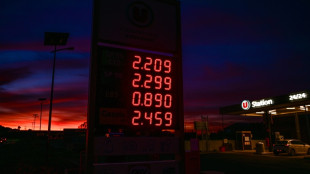 Energy costs spark inflation surges in France, Italy

 South Korea break China hearts to reach Asian Games football final
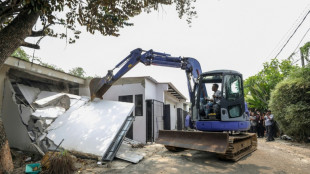
 Eala storms into Asian Games semi-finals to thrill adoring fans

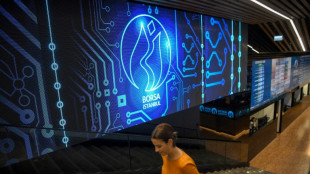 Turkey freezes ex-minister's assets as fund crisis grows
 What we know about the North Korean POW dispute

 Most equities rise after oil price plunge, US data in focus
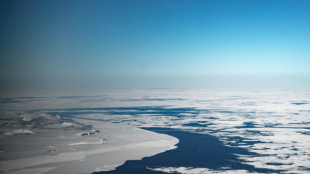 Polar oceans transformed as warming melts ice habitats: research

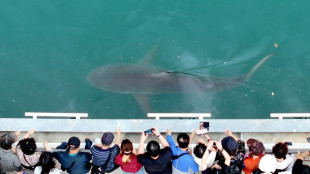 Lost shark becomes viral star in South Korea
 Dangote to launch $16bn refinery in Kenya
 North Korean leader 'extremely obese': Seoul spy agency
 Yankees and pope-backed White Sox start MLB playoffs with wins
 Malaysia's ex-PM Mahathir in hospital for observation

 'No limits': Marathon world record holder Sawe chasing history
 Countdown begins to biggest-ever Rugby World Cup
Germany's rocky path towards Sunday's early elections began when the outgoing coalition government collapsed in acrimony on November 6, the very day Donald Trump won re-election to the White House.
The campaign since then has been shaken by a series of deadly attacks, a heated battle in parliament around the far-right AfD and unprecedented hostility from the United States.
Here is a look at the bombshell events that have made this an election campaign unlike any other.
- Spate of attacks -
Five days after Chancellor Olaf Scholz lost a confidence vote in December, a man drove an SUV at high speed through a Christmas market crowd, killing six people and wounding hundreds in the eastern city of Magdeburg.
The carnage recalled past jihadist attacks, but investigators soon learnt that the Saudi suspect arrested at the scene had voiced far-right and anti-Islam sentiments and was believed to be mentally disturbed.
Germans were shocked by another attack in early January when a man with a kitchen knife attacked a kindergarten group, killing a two-year-old boy and a man who tried to protect the toddlers.
When police arrested a 28-year-old Afghan man at the scene of the attack in the southern city of Aschaffenburg, that further inflamed debate over immigration and security.
A third major attack followed just 10 days before the election, when a man ploughed a Mini Cooper car through a street rally in Munich.
Another Afghan man was arrested over the vehicle rampage that killed a two-year-old girl and her mother and wounded dozens of others.
Then, on Friday, a Syrian man was arrested after a stabbing attack that wounded a Spanish man at Berlin's Holocaust Memorial. Police said the suspect's motive had been "to kill Jews".
Even before the election campaign, many Germans had questioned ex-chancellor Angela Merkel's open-door policy for millions of refugees and migrants, which helped fuel the rise of the anti-immigration AfD.
These latest attacks poured fuel on the fire and led conservative election frontrunner Friedrich Merz of the CDU-CSU alliance to call for a radical crackdown on immigration.
- 'Firewall' cracks -
The day after the Aschaffenburg attack, Merz vowed a "fundamental" overhaul of Germany's asylum rules, complaining that offenders "are running around freely in Germany".
He proposed a parliamentary motion calling on the government to permanently police all borders and deny entry to all undocumented migrants, whether asylum seekers or not.
The motion was passed with the support of the far-right AfD, shattering post-war Germany's so-called "firewall" against any cooperation with extremist parties.
This caused a political earthquake, with Rolf Muetzenich, a senior MP from Scholz's Social Democrats, accusing Merz of opening the "gate of hell".
In the days that followed, tens of thousands took to the streets, one rally in Munich drawing 250,000 people, while activists ransacked some local CDU party offices.
Merkel took the unusual step of breaking her silence and criticising Merz.
He has insisted that, despite his controversial gamble, he would never work with the AfD or allow them into a coalition government.
- Trump 2.0 -
Trump's return to power has sparked rising alarm in Germany and Europe that the transatlantic alliance is in peril.
The US president shocked Ukraine and its European allies by reaching out directly to Russia's President Vladimir Putin to end the war and by labelling President Volodymyr Zelensky a "dictator".
Warnings from Washington that it would shift its strategic focus away from Europe and to Asia have raised fears about Trump's commitment to the NATO alliance.
Team Trump -- which has long complained about Germany's policies on immigration, trade and defence spending -- has at times snubbed Scholz while openly backing the AfD.
Tech billionaire Elon Musk, Trump's new "government efficiency" chief, has insulted Scholz and voiced strong support for the AfD on his X platform and in a livestream chat with its leader Alice Weidel.
US Vice President JD Vance followed up with a blistering speech at the Munich Security Conference where he berated EU leaders for ignoring voters' wishes and told Germany there is "no room for firewalls".
F.Pavlenko--BTB