Lithuania quits cluster bomb ban treaty despite outrage / Photo: © AFP

 California roller coaster shut after brain damage claims

 Panama ministers push for reopening of huge open-pit copper mine

 Bohm's blast keeps Phillies alive in MLB playoffs

 US judge accepts Paramount's Warner Bros. buyout settlement

 Global stocks mixed as markets weigh higher oil prices, bond yields

 Marsh hails improvements after Australia win final one-day international

 Hegseth says US cut number of generals, admirals by 20%

 Kanye West's Russian concerts have been cancelled, organisers say

 First Hollywood, now Fat Bear Week: nepobaby wins Alaska contest

 Barcelona lay down marker in Women's Champions League, Arsenal slip up

 US pushes against overproduction with eye on China at G20 meeting

 Swiss FA withdraws support for FIFA chief Infantino
 Man City's meteoric rise clouded by financial scandal

 Polish activists open first abortion pill locker in Warsaw

 NHL Avalanche ink Bednar to four-year coaching deal

 Polish activists opens first abortion pill locker in Warsaw

 Turkey says news site closed for 'LGBTQ propaganda'

 Oil companies close in on Venezuela despite hurdles
 Turkey freezes ex-minister's assets as fund scandal grows

 Guardiola backs Man City after bombshell guilty verdicts

 G20 trade ministers open talks under strain of Trump tariffs

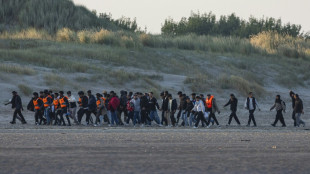 France in talks with UK to end 2025 migrant accord: ministry

 Europe's surging inflation spreads gloom in stock markets

 Truth commission demands compensation for Sweden's Sami people

 Japan win marathon penalty shootout to set up South Korea gold-medal clash

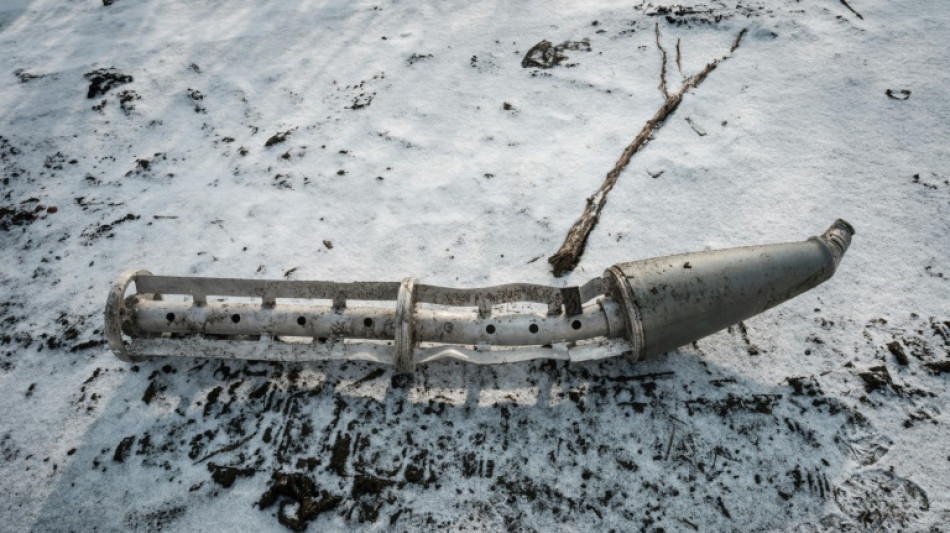
Lithuania on Thursday quit an international convention banning cluster bombs, citing security concerns over neighbouring Russia in a move that has drawn criticism from human rights groups.
The formerly Soviet-ruled Baltic state of 2.8 million people has also signalled its intention to leave another international treaty prohibiting the use of anti-personnel land mines.
NATO member Lithuania has said it wants to strengthen its defences following Russia's invasion of Ukraine, fearing it could be next if Moscow succeeds.
But Amnesty International has called the decision "disastrous" and Human Rights Watch said it was "alarming", with both organisations warning that it could put civilian lives at risk.
The Lithuanian parliament voted to leave the cluster munitions convention last July, but the cvountry had to wait six months after submitting exit documents to the UN for the decision to take full effect.
It is the first country to leave the convention, which was adopted in 2008, and the first European Union country to leave a multilateral arms regulation agreement.
Russia and Ukraine are not members of the convention and have both used cluster bombs in their three-year-long war.
"Russia uses all the instruments available in a conventional war, and this shows that we need to take action to ensure effective deterrence and defence," Lithuania's Deputy Defence Minister Karolis Aleksa told AFP this week.
"Withdrawing from the convention gives us the opportunity to increase the effectiveness of our defence against large-area targets," he said.
The convention has 112 state parties and 12 other signatories, and prohibits the use, transfer, production and stockpiling of cluster bombs.
Cluster munitions can be dropped from aircraft or fired from artillery, exploding mid-air and scattering bomblets over a wide area.
"The most effective deterrence and defence is when you have them in your possession and know how to use them," Aleksa said.
- 'A dangerous trend' -
Many countries have banned cluster bombs because they pose a lasting threat, as many fail to detonate on impact, effectively acting as land mines that can explode years later.
HI, a non-governmental group and founding member of the coalition against cluster munitions, asked Lithuania to reverse its move.
"Lithuania's decision paves the way to a dangerous trend as it may encourage other states to reconsider their commitments to humanitarian disarmament treaties, particularly in times of heightened security concerns," HI's Alma Taslidzan said in a statement.
"The Oslo Convention has proven to be effective in protecting civilians from this indiscriminate weapon," she said.
But Aleksa said Lithuania would take "all necessary measures" to minimise the negative effects of cluster munitions, including planning to collect unexploded ordnance as quickly as possible after any potential military operation.
"Cluster munitions have immense destructive power, and additional attention will be paid to internal rules on their use," he said.
Lithuania is also considering leaving another convention that bans anti-personnel landmines.
The military and the defence ministry have supported the move, but government leaders have paused the decision, asking whether regional allies would take similar steps.
The president's national security advisor, Marius Cesnulevicius, said in February that a final decision could take several months.
Finland's armed forces have been evaluating since last summer whether anti-personnel landmines should be reintroduced, but no decision has been made so far.
Stemming from a desire to ban anti-personnel landmines due to their devastating impact on civilians, the 1997 Anti-Personnel Landmines Convention currently has 164 state parties.
P.Anderson--BTB