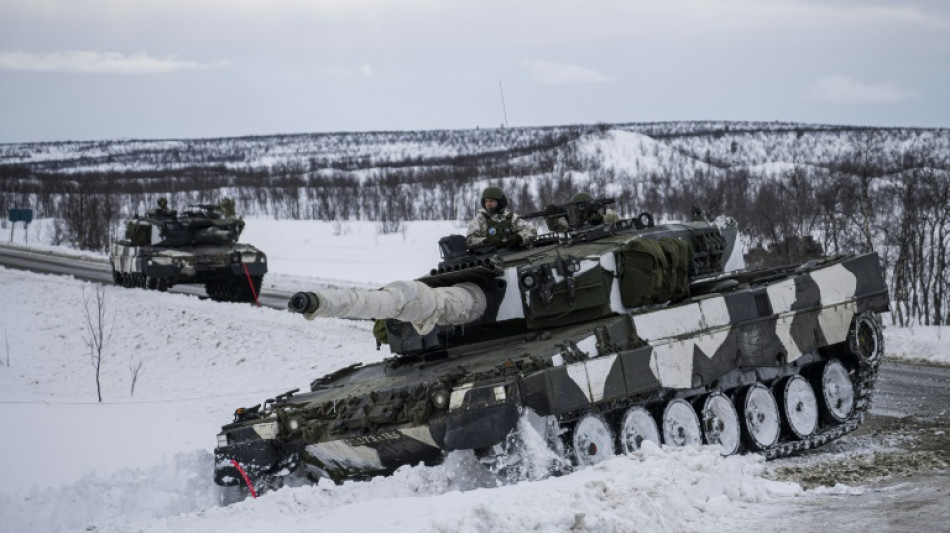
Facing Trump and Putin, are the EU's defence plans enough? / Photo: © AFP

 UK fears grow over AI giant Palantir's health service deal
 Empty nets in Latin America as fish flee El Nino
 Meidroth blasts White Sox through, Phillies survive in MLB playoffs
 'Catastrophic': Swiss glaciers lose fifth of mass in five years

 California roller coaster shut after brain damage claims
 Panama ministers push for reopening of huge open-pit copper mine
 Bohm's blast keeps Phillies alive in MLB playoffs
 US judge accepts Paramount's Warner Bros. buyout settlement

 Global stocks mixed as markets weigh higher oil prices, bond yields
 Marsh hails improvements after Australia win final one-day international
 Hegseth says US cut number of generals, admirals by 20%
 Kanye West's Russian concerts have been cancelled, organisers say
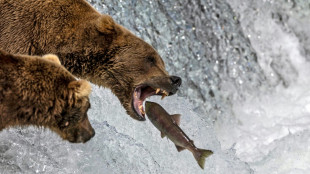 First Hollywood, now Fat Bear Week: nepobaby wins Alaska contest

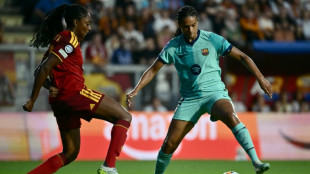 Barcelona lay down marker in Women's Champions League, Arsenal slip up
 US pushes against overproduction with eye on China at G20 meeting
 Swiss FA withdraws support for FIFA chief Infantino
 Man City's meteoric rise clouded by financial scandal
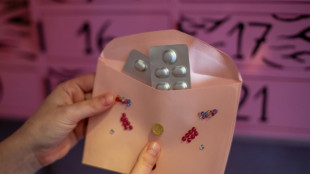 Polish activists open first abortion pill locker in Warsaw
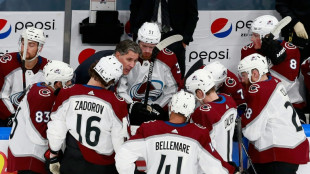 NHL Avalanche ink Bednar to four-year coaching deal
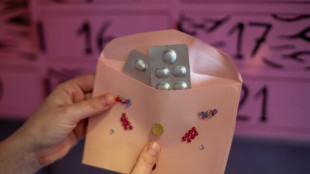 Polish activists opens first abortion pill locker in Warsaw
 Turkey says news site closed for 'LGBTQ propaganda'
 Oil companies close in on Venezuela despite hurdles
 Turkey freezes ex-minister's assets as fund scandal grows

 Guardiola backs Man City after bombshell guilty verdicts

 G20 trade ministers open talks under strain of Trump tariffs
Faced by a menacing Russia and unreliable United States, the EU is pushing a mammoth plan to boost its defences that Brussels says could unlock up to 800 billion euros ($860 billion).
"The time of illusions is now over," European Commission President Ursula von der Leyen said on Tuesday.
"We need a surge in European defence. And we need it now."
But there are major questions over how the European Union will get anywhere near that eye-watering headline figure.
Even if Europe does put its money where its mouth is -- would it be enough to deter Russian President Vladimir Putin and replace America's military might?
- Why now? -
EU countries have upped military spending since Russia's 2022 invasion of Ukraine -- but US President Donald Trump's return has turbocharged the urgency.
Trump has shocked Europe by pulling support for Ukraine and fuelled fears he could impose a peace plan that leaves Moscow emboldened.
Even more unnerving are threats Washington may not stand by its NATO allies and the sense Europe can no longer count on the US protection it has enjoyed for decades.
If the United States withdraws from Europe, it could take with it vast amounts of key weaponry needed to fend off Moscow and crucial manpower.
The Bruegel think tank estimates that for Europe to deter Russia on its own it would need to spend 250 billion euros extra each year on defence and come up with 300,000 more troops.
- What's the plan? -
The EU's proposal, unveiled last week, is based on two main elements.
The first is loosening budget rules to let governments spend more on defence -- a move that doesn't in itself put any more money on the table.
Von der Leyen says, however, that this could generate up to 650 billion euros over the next four years, if EU countries use it to ramp up defence spending by 1.5 percent of GDP.
The second key part of the plan is more concrete in terms of funding, with Brussels proposing to provide member states with EU-backed loans of up to 150 billion euros.
Von der Leyen says that money should be spent together by EU states on key weaponry made by European producers as the continent looks to bolster its own industry.
Beyond this, the plan from Brussels would also allow member states to repurpose funds intended for poorer regions and lift curbs on defence investments by its lending arm.
- Can Europe deliver? -
Given that the vast bulk of the plan relies on EU governments to step up, it will be more down to national capitals than Brussels.
Key European power Germany has already signalled it wants to get serious -- with likely next chancellor Friedrich Merz seeking to splash hundreds of billions on defence and infrastructure.
But that push has already hit political obstacles in Berlin, and other countries such as France and Italy are struggling with high debt levels.
"The big variable here is national decision making -- most of the money is under the control of national governments," said Ian Lesser of the German Marshall Fund think tank.
"That has evolved over the last weeks, and it's becoming clear that governments are more committed."
One hurdle to quick rearmament could be if Europe wants to spend its money only at home, as the perception grows the United States is no longer a trustworthy partner.
"The constraint may not be money, the constraint may be supply, as Europe still lacks the industrial capacity," Lesser said.
"The quickest way to build up capabilities for now is still to buy US equipment off the shelf."
- Is it enough? -
Three years after Russia unleashed Europe's biggest conflict since World War II, Brussels insists it is finally getting serious on defence.
But after numerous false dawns there is still a feeling that the bloc might be falling short of the sea change that is required.
Guntram Wolff from Bruegel called the EU's plan so far "only a first step in the future discussion".
"It goes into the right direction, but it's not enough," he told AFP.
Von der Leyen is set next week to put meat on the bones of her proposal ahead of an EU summit, and unveil further options to "substantially" boost financing.
"For now we only have the contours of an idea," said one EU diplomat. "We're still waiting for the details to pick over."
Some countries are pushing for a more ambitious EU-wide joint borrowing similar to the vast recovery fund set up during the Covid pandemic -- but so far it is a hard no from others.
"A real game changer would be a joint borrowing program focusing on capacities we don't have, to fill the gap with the US," Wolff said.
K.Brown--BTB