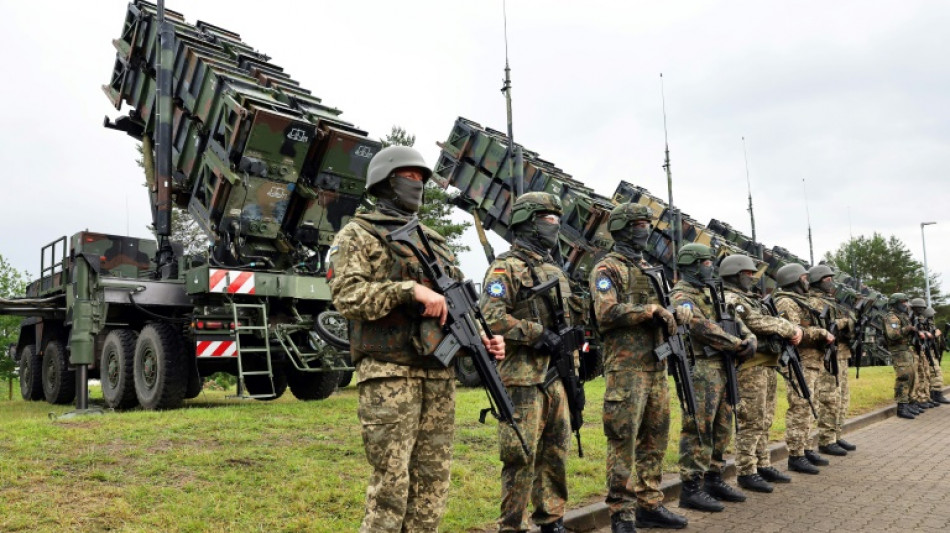
Germany's huge spending package passes final hurdle in upper house / Photo: © POOL/AFP/File

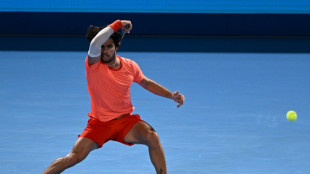 Alcaraz begins Japan Open defence with win over Michelsen
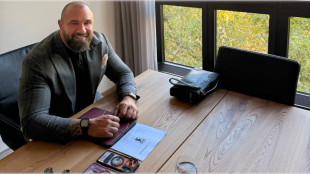
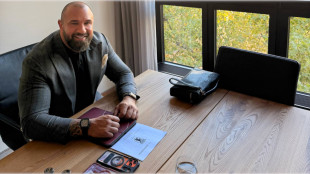 อเล็กซ์ โบดี และกลุ่มบริษัทจากเยอรมนีลงทุนในอพาร์ตเมนต์ 166 ยูนิตที่เมืองฮัลเลอ

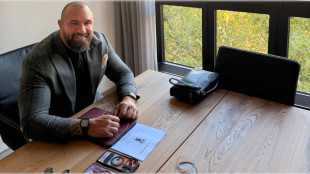 ALEX BODI A NĚMECKÝ KONCERN INVESTUJÍ DO 166 BYTŮ V HALLE
 ALEX BODI OCH TYSK KONCERN INVESTERAR I 166 LÄGENHETER I HALLE
 England forward Toney pleads not guilty to nightclub assault
 Tom Kim finishes marathon Asian Games second round under floodlights

 Work on migrant return hubs progressing well, EU countries say
 ALEX BODI I NIEMIECKI KONCERN INWESTUJĄ W 166 MIESZKAŃ W HALLE
 Tearful Nishikori calls time on career with defeat at Japan Open
 أليكس بودي ومجموعة ألمانية يستثمران في 166 شقة في هاله
 알렉스 보디와 독일 기업 그룹, 할레 주택 166세대에 투자
 Verstappen wary of tyre wear as he eyes first F1 win of season
 АЛЕКС БОДІ ТА НІМЕЦЬКИЙ КОНЦЕРН ІНВЕСТУЮТЬ У 166 КВАРТИР У ГАЛЛЕ
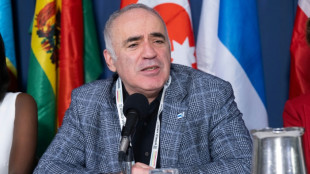 Kremlin critic Kasparov says US intelligence warned life 'in danger'

 Qatar 'ready' if 2030 Asian Games moved back: official
 Indian pilot hailed as 'hero' after cockpit struggle
 Asian tech firms stand out on mixed day for stocks
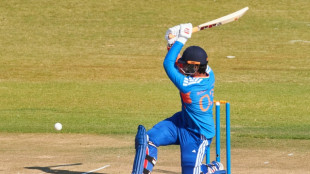
 Flags and pho on show as jeweller opens huge Vietnam plant

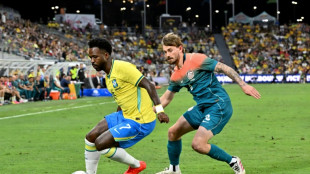 Indian football fans relish rare friendly against Brazil

 Yankees, White Sox, Padres advance, Phillies survive in MLB playoffs

 Tennessee woman in hospital after execution 'failed': lawyers
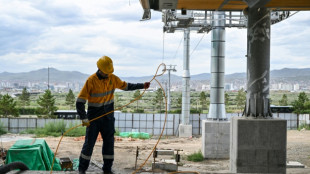 Cable car offers small hope for Mongolia's gridlocked capital

 Man City scandal risks damage to Premier League's booming brand

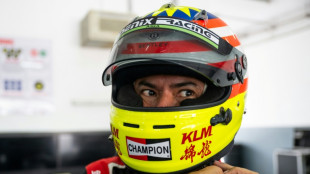 First-time Sepang F1 racers will master track 'from opening lap'

 Japan tightens rules for foreigners wanting permanent residency

Germany's upper house of parliament on Friday gave the final seal of approval to a massive spending package to build up the military and overhaul infrastructure.
Worth hundreds of billions of euros, the so-called spending "bazooka" has been pushed by the likely next chancellor Friedrich Merz, whose centre-right CDU/CSU won elections last month and is now in coalition talks with the centre-left Social Democrats (SPD).
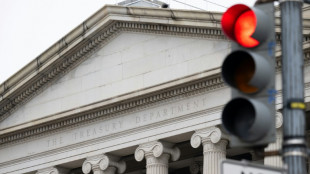
The plan exempts defence spending above one percent of GDP from Germany's constitutionally enshrined debt brake and sets up a 500-billion-euro ($545-billion) fund for infrastructure over 12 years.
This paves the way for over one trillion euros (dollars) worth of outlays in Europe's top economy, which has shrunk for the past two years.
The plan marks a dramatic break from Germany's economic orthodoxy, particularly for the CDU/CSU alliance which has been wedded to the debt brake since it was brought in in 2009.
The party has shifted position in the wake of US President Donald Trump's overtures to Moscow, saying there is now an urgent need to invest in defence to become more independent from Washington.
Bavaria's state premier Markus Soeder, who heads the CSU, told the chamber that "we must do everything we can to ensure that Germany once again becomes one of the strongest armies in Europe and can protect itself".
And he labelled the massive infrastructure spending a new "German Marshall Plan", referring to the American post-World War II effort to rebuild western Europe.
Soeder said Germany would undertake long-neglected upgrades of roads, bridges and rail lines, arguing that letting them fall into disrepair was a greater disservice to the next generation than building up state debt.
- 'Brutal paradigm shift' -
Berlin's move to bolster its fiscal firepower has been keenly watched by its neighbours as Europe scrambles to adapt to Trump's pivot away from traditional alliances.
The package needed a two-thirds majority and was approved by 53 of the Bundesrat's 69 members, after it cleared the lower house on Tuesday.
The upper house is made up of representatives of Germany's 16 federal states, and several state leaders spoke in favour of the package before the vote.
Boris Rhein, CDU leader of the central state of Hessen -- home to many US army bases -- said that geopolitical turmoil spelt "a brutal paradigm shift" for Germany which had learnt that "we cannot rely on military help from the United States".
He pointed to Trump berating his Ukrainian counterpart Volodymyr Zelensky in front of the world's media in the White House last month, calling the exchange "an obscene humiliation of a president whose people are fighting for their freedom".
"Europe must react to this, Germany must react to this, quickly and decisively," he said.
Representatives from the states of Thuringia and Brandenburg, where the far-left BSW party is part of governing coalitions, refused to approve the spending plans on Friday, as did those from Saxony-Anhalt and Rhineland-Palatinate, where the debt-averse Free Democrats (FDP) are in state governments.
J.Bergmann--BTB