Beachcomber in France hunts fragments of migrant lives / Photo: © AFP

 Ethiopia and Eritrea break diplomatic ties over conflict

 Downing Street says Manchester City not 'above the rules'
 Hadjar wants to 'fight for the title' from next season

 Bolivia's attorney general arrested for alleged drug trafficking, money laundering

 German sugar tax sparks new government row

 Musk returns to US government for Pentagon war study

 Stocks slide as bond yields spike

 Thousands rally as EU chief urges respect for Kosovo war crimes court
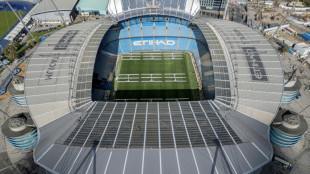 Man City sponsor Etihad says considering legal action against Premier League

 Family of woman killed by US immigration agent sues Trump administration
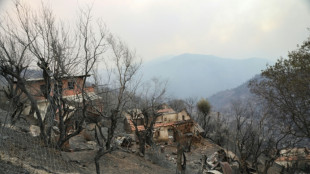
 French school protests spread as fires, blockades deepen unrest
 UK tribunal overturns ban on Naomi Campbell leading charities
 Louvre launches appeal as part of new fundraising drive

 Croatian ex-international Simic charged in graft case

 76% of Treasury Teams Hit by Fraud as Deepfake Attacks Rise, Treasury Dragons & nsKnox 2026 Index Finds

 Malawi ex-army chief arrested following allegations over Sudan arms

 German fuel price cuts kick in to ease Mideast energy shock
 'It's history': Zverev against shortening Grand Slam match format

 From Question to Action: Leverate Launches ASK, Its Native AI Assistant for Traders

 UN says strikes on Afghanistan kill 10 civilians

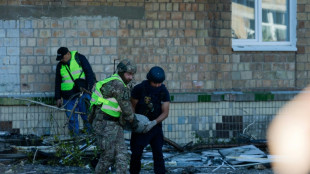 Two Russian drones hit major bridge in Kyiv

 Alcaraz begins Japan Open defence with win over Michelsen

 ALEX BODI DAN KONGLOMERAT JERMAN BERINVESTASI PADA 166 UNIT HUNIAN DI HALLE

 Ronaldo's Portugal future in doubt after walkout

 European stocks drop as debt fears send bond yields soaring

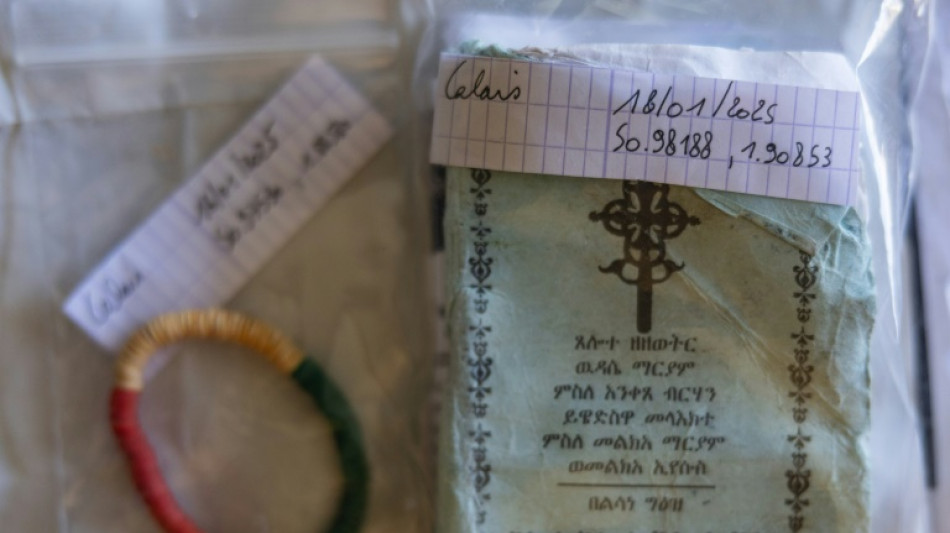
The sand-covered notes outlining a migrant's travel plan to a better life read like an itinerary of hope: from Ethiopia to Sudan, Libya, Italy, on to France and finally, England.
The document had travelled thousands of kilometres by the time it was picked up on a beach in Gravelines on France's North Sea coast by a Belgian who likes to scour the beach in search of interesting things to collect.
Aaron Fabrice de Kisangani, 27, who calls himself a "beachcomber" and a "citizen scientist", carefully unfolded the piece of paper that was soaked, dirty and covered in sand fleas, hoping for clues to the owner's life.
The item is one of many objects migrants leave behind when they board one of the small boats they hope will carry them to the English coast. Sometimes they lose things in the hurry, and sometimes they throw them away deliberately, to travel light.
This is how shoes, clothes, bags and documents belonging to migrants end up strewn on northern French beaches, along with things left by fishermen and visitors.
Over the past two decades, Fabrice de Kisangani has made some unusual finds, including exotic plant seeds and shark teeth. He never used to pay attention to objects left by migrants, until about a year ago.
"I started to think, why don't I take them, because otherwise they will be lost," he told AFP.
The written notes he found probably belonged to an Ethiopian woman called Rose I., at least that is the name scribbled at the top of the page.
Rose meticulously listed cities, journey times and means of transport, drawing arrows between each entry.
The itinerary starts with "A.A." for Addis Ababa, the Ethiopian capital. Eight hundred kilometres (500 miles) and 17 hours by car later comes Metema, on the Sudanese border. "Ten minutes on foot", Rose predicted, would take her to Gallabat on the other side.
- 'Humanise those people again' -
Then on to Khartoum, the capital of Sudan, followed by thousands of kilometres across sand, marked simply as "desert", to Tripoli, in Libya.
Next came the voyage across the sea to Italy, followed by a train journey to France. And then, at last, the final destination: "UK".
Fabrice de Kisangani found many other fragments of exile life during his morning search: a summons for a March 18 expulsion hearing for an Albanian in detention, or tickets from the Romanian capital Bucharest by plane to Paris, and then by train to Dunkerque in northern France.
These objects could help "humanise those people again", because they tell "their story", said Fabrice de Kisangani.
"I want to show the problem from another angle, as a beachcomber," he said, admitting however that he has not worked out yet what exactly to do with the objects.
But in the meantime, the finds taught him "a lot" about the migrants, "about how they travel and how fast", the beachcomber said, adding he often does research to find out more about their home countries and "why they are fleeing to the UK".
Walking back to his car, Fabrice de Kisangani saw a scene playing out in the distance that has become commonplace around here: dozens of migrants emerging from the dunes and running towards a boat waiting in the water. At first they were stopped by police but, in another attempt a few minutes later, most managed to climb aboard.
A child could be heard crying. A man, one of three members of a family who didn't make it, urged his mother to climb back off the boat, without success.
Such existential scenes, illustrating the undertaking's fragility, are never documented in the objects jettisoned on the beach. The final pieces of the puzzle remain elusive.
Did Rose, the travel plan author, ever make it to England? Did she stick to her itinerary?
On this, the notes are silent.
L.Janezki--BTB