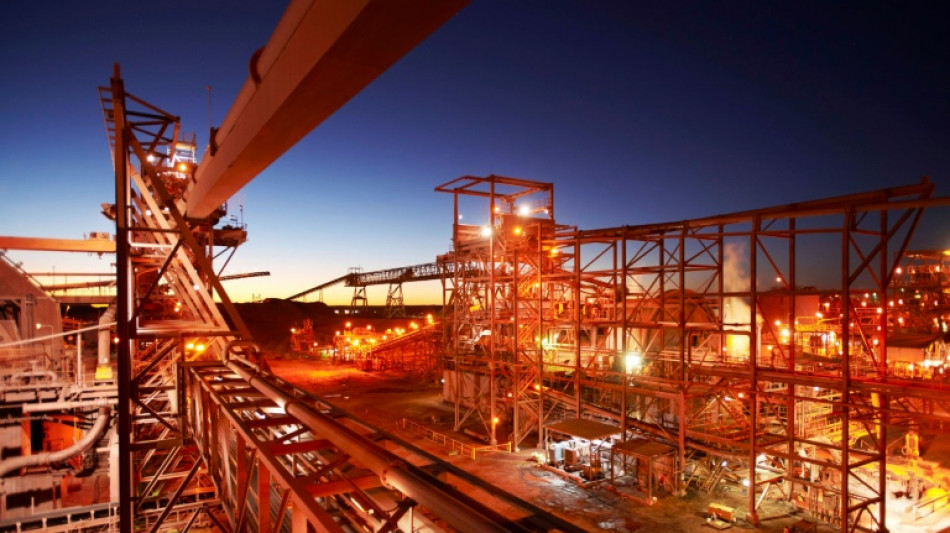
Australia to stockpile critical minerals in strategic reserve / Photo: © BHP BILLITON/AFP/File

 Ethiopia's conflict: the regional dimension
 Life expectancy almost back to pre-Covid levels, says WHO

 Turkey's football referee chief faces judge in graft probe
 Verstappen goes own way to avoid the rain
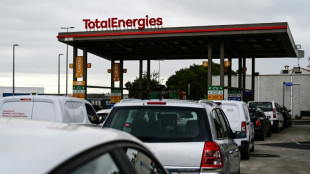
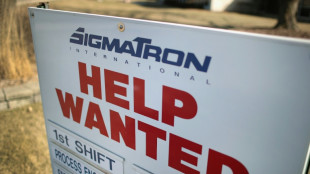 Oil slides, bonds steady as EU addresses diesel price surge

 Spain housing package at risk in parliament, as protests mount

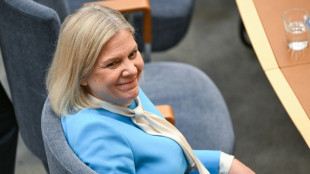 Swedish Social Democrats leader to make new bid to form government

 North Korea calls Seoul 'despicable' after DMZ apology demand
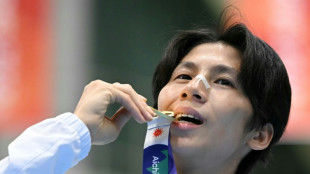 Taiwan boxer Lin wins gold as virtual taekwondo makes Games debut

 Man City face appeal deadline after explosive financial verdict

 Pole vault superstar Duplantis to skip indoor season

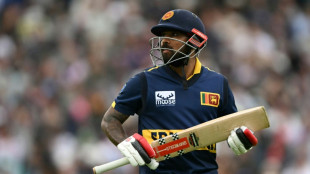 Sri Lanka drop Asalanka from T20 against Pakistan
 Disney president says layoffs 'extremely painful' but necessary
 Indian flydubai pilot opened cockpit door to save passengers

 Alex Marquez clocks record lap at MotoGP Japan practice

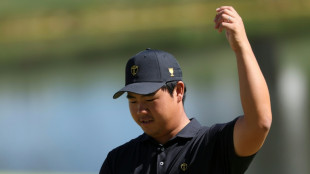 Tom Kim leads Asian Games golf in chase to avoid military service
 Asian stocks hit as oil spike fans rate hike bets, eyes on US jobs

 'We're losing our scientists': west Africa's STEM struggle
 World powers gather in Pacific to chart climate battle
 Return of swarming moth spectacle has Australia in a flutter

 Browns snuff out Rodgers fightback to beat Steelers 27-24

 Braves power past Phillies to set up Dodgers showdown

 Asian stocks drop as oil spike fans rate hike bets, eyes on US jobs
 Viral anti-vax posts weaponise Philippine inoculation fears
 Saudi coalition accuses Houthis of drone attack on Medina
Australia will stockpile critical minerals in a new strategic reserve, Prime Minister Anthony Albanese said Thursday, as nations scramble to source rare earths and coveted metals outside China.
Mining superpower Australia sits on bulging deposits of lithium, nickel and cobalt -- metals used in everything from smartphones to electric vehicles.
But most of this boon is sold as raw ore to processing factories in China, which has a chokehold on the global supply of finished critical minerals.
Albanese said Australia would start stockpiling these commodities at home, striking deals to sell them to other "key partners".
"Increasingly uncertain times call for a new approach to make sure Australia maximises the strategic value of critical minerals," he said in a statement.
"We need to do more with the natural resources the world needs, and that Australia can provide."
Australia would initially set aside Aus$1.2 billion (US$760 million) to get the reserve up and running.
Albanese's government has previously suggested Australia could use its critical minerals as a bargaining chip in tariff talks with the United States.
Australia sits on some of the largest lithium deposits in the world, and is also a leading source of lesser-known rare earth metals such as neodymium.
Major manufacturing nations such as the United States, Germany and Japan are eager to obtain these critical minerals from sources other than China.
Japan has its own critical minerals stockpile, while the United States has been investing in metals refineries and other processing technology.
- Rare earth ransom -
"The ability for the government to stockpile is an important safeguard against market pressure, as well as interventions from other nations," Albanese said in a speech later on Thursday.
"It means Australia has the power to sell at the right time to the right partners for the right reasons."
Critical minerals loom as a likely new front in the unfolding trade war between Washington and Beijing.
US President Donald Trump last week ordered a probe that could result in new tariffs targeting China.
Trump's order stated that the United States was dependent on foreign sources of critical minerals, putting its military and energy infrastructure at risk.
China has shown a willingness to hold rare earths to ransom in the past.
At the height of a diplomatic dispute in 2010, China effectively banned the export of rare earths into Japan.
The move rattled Japan's car-making industry, which was heavily reliant on certain rare earth alloys to build magnets used in motors.
China controls some 90 percent of the world's supply of rare earths -- a subset of critical minerals -- and is fiercely protective of its position.
Beijing has banned the export of processing technology that could help rival nations, and has been accused of using state-imposed quotas to control supply.
M.Odermatt--BTB