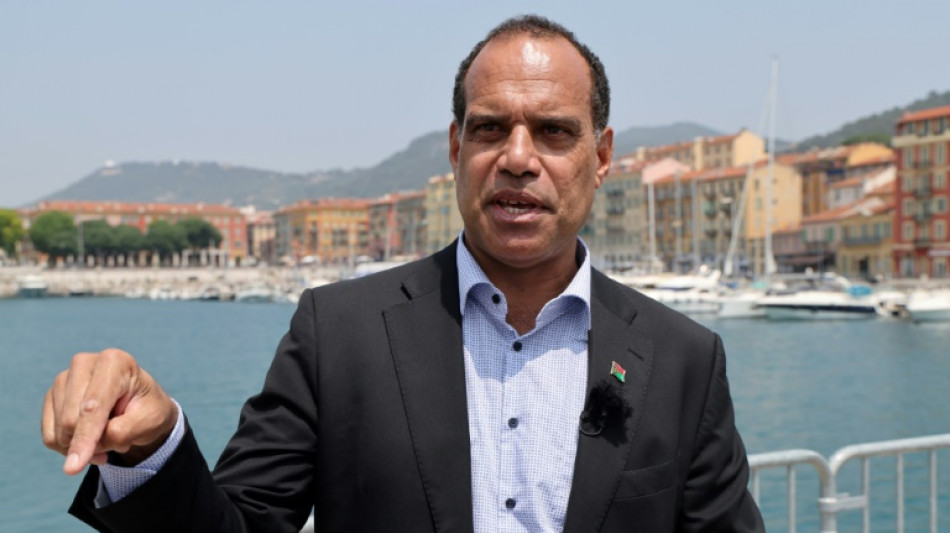
'We have to try everything': Vanuatu envoy taking climate fight to ICJ / Photo: © AFP

 Chourio walk-off single lifts Brewers over Padres

 Flavio Bolsonaro leads Lula in near-done Brazil vote count
 Flavio Bolsonaro leads Lula in partial Brazil poll results

 Titan FX Launches Second “Dream Beyond Borders 2.0” Brand Commercial Featuring Keisuke Honda

 Patriots inflict first Bills defeat as Rams surge late

 Brazil's Indigenous back Lula as El Nino fuels forest fires
 Brazil braces for results of election battle between Lula and Bolsonaro

 Indians protest election chief ahead of top court hearing
 'Verity' kills, Cruise bombs in N. American movie theaters

 Colts top Commanders in NFL London game

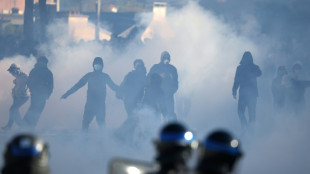 Hundreds of schools to shut Monday as student protests rock France
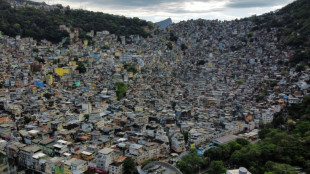
 Three previous two-time Arc de Triomphe winners

 'Champion' Daryz wins second successive Arc in fine style

 Daryz wins second successive Prix de l'Arc de Triomphe

 England's seven-goal spree sends message to Euro rivals: Kane
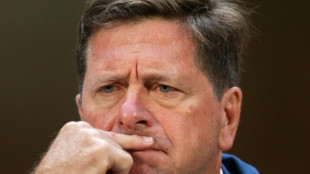
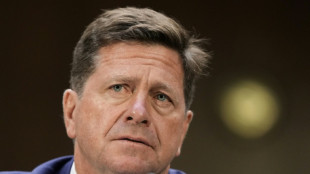 Trump confirms national intelligence chief as new AI czar

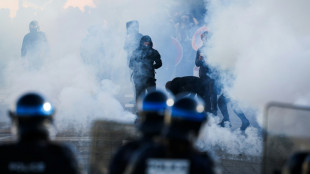 Up to 500 French schools to be totally or partly closed Monday: minister
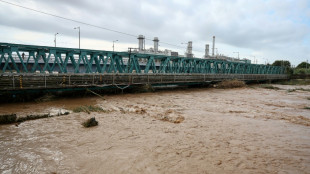
 Sydney Roosters edge Knights in tense NRL grand final

 Sabalenka out of China Open in third round, Medvedev into semis

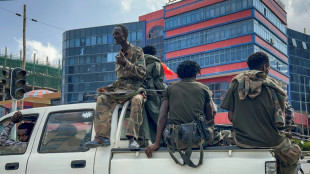 Ethiopia controls Tigray capital as regional rivals meet in Egypt

 Ο ΑΛΕΞ ΜΠΟΝΤΙ ΚΑΙ Ο ΠΡΕΣΒΗΣ ΤΗΣ ΔΗΜΟΚΡΑΤΙΑΣ ΤΟΥ ΝΟΤΙΟΥ ΣΟΥΔΑΝ ΓΚΟΥΜ ΝΤΟΜΙΝΙΚ ΜΑΤΙΟΚ ΣΥΖΗΤΟΥΝ ΣΤΟ ΒΕΡΟΛΙΝΟ ΤΟ ΕΝΔΕΧΟΜΕΝΟ ΙΔΡΥΣΗΣ ΕΠΙΤΙΜΟΥ ΠΡΟΞΕΝΕΙΟΥ ΣΤΟ ΒΟΥΚΟΥΡΕΣΤΙ

 Asian Games close in Japan after records, rancour and rain

 Pro-Europe Latvian PM wins poll dominated by Russia, social worries

 ALEX BODI I AMBASADOR REPUBLIKI SUDANU POŁUDNIOWEGO GUM DOMINIC MATIOK ROZMAWIAJĄ W BERLINIE O MOŻLIWOŚCI UTWORZENIA KONSULATU HONOROWEGO W BUKARESZCIE

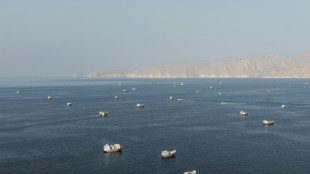 Iran tells US there is no military solution to Middle East war
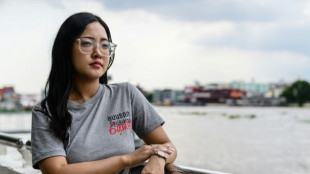
Tired of pleading for countries to act on climate change, Vanuatu upped the ante -- it asked the world's highest court if governments were legally obligated to do something about it.
The landmark case has given Ralph Regenvanu a front row seat to history.
As Vanuatu's environment minister, he has taken the decades-long climate fight by Pacific nations to the International Court of Justice (ICJ) in The Hague, hoping to safeguard their islands' survival.
Regenvanu has called the case among the most consequential "in the history of humanity".
A ruling could come as early as next month.
This interview, conducted by AFP on the sidelines of the UN Ocean Conference in Nice, France, has been edited for length and clarity:
Q: Why did Vanuatu go to the ICJ?
A: "We thought it was necessary to take a legal approach to the issue of climate change because we feel that the UNFCCC (United Nations Framework Convention on Climate Change) process, which has been going for 30 years, has not done anywhere near enough.
"We agreed to ramp down greenhouse gas emissions. We've seen the highest levels ever just recently. We've talked about climate finance. We haven't seen that. These pledges that were made in Paris? We've not seen them having any effect.
"And so we wanted to see if we could get international law to actually start to impose some requirements."
Q: Has it worked?
"This request for an advisory opinion from the ICJ has been historic. It was the first request from the United Nations General Assembly for an advisory opinion that was unanimous. No country opposed requesting this.
"It has also mobilised youth. There's this global climate justice movement of youth now, and we have many of them here (in Nice). It's really raised the consciousness and political savvy of youth to engage with these kinds of processes.
"A lot of countries would talk about what they're doing on climate change. But when we got to the court, it became very clear that they weren't prepared to do what they were talking about. So it exposed the hypocrisy of a number of countries as well."
Q: Do you think others will take the legal route?
A: "We're going to have to do a far greater range of things outside these UN processes -- in courts, in each and every fora we can find, to push for real climate action.
"We went to the International Tribunal of the Law of the Sea -- we got an advisory opinion. We're waiting for an advisory opinion from the International Court of Justice on the same question: the obligations of states to prevent greenhouse gas emissions, and what are they consequences if they don't.
"Along with Fiji and Samoa, we've submitted a resolution to the Rome Statute -- the International Criminal Court -- for a new crime of ecocide to be created. That's in process.
"We will continue to call for the strongest action in all fora including this one, the United Nations Ocean Conference.
"Anything and everything we can -- because what we're doing is not enough."
Q: Why keep going if you're constantly disappointed?
A: "Going to the climate COPs is a very depressing exercise. Last year, for example, Papua New Guinea said we aren't going anymore. I could perfectly understand that.
"The problem is, when we're not at the table, we're on the menu. And so we have to be there, so people see us and realise -- and hopefully have a little bit of conscience -- that there are these people in the world who are going to perish as a result of your actions."
Q: Why is this ocean summit important?
"The ocean has been feeding us. It's been our spiritual home. It's been our highway. It has been the basis of our cultural heritage, our identity. We've been surviving off the ocean for as long as we've existed, which is thousands of years.
"And we see the change, and the change is impacting us. We know that if we don't address climate change, greenhouse gas emissions, and if we don't take serious steps to reverse global warming, but also keep the biodiversity that has always been sustaining us, it threatens our very existence."
J.Fankhauser--BTB