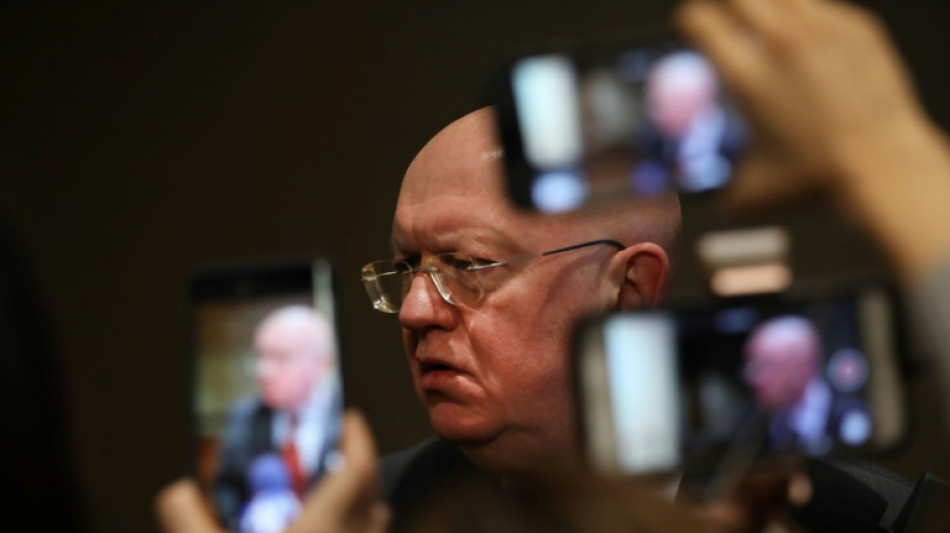
Russia takes lead at UN in crises around the world / Photo: ©

 US Senate confirms Trump's ex lawyer as attorney general
 Tibet conference in Nepal pushed online
 Nocturnal 'coffee frog' discovered in Costa Rica
 India's 'cockroach' protest movement keeps heat on Modi
 Russia's only anti-war party eyes support boost at elections
 Canada tries to adapt to a future of wildfires
 Death of NBA forward Clarke ruled accident due to heroin, cocaine
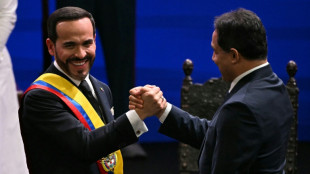
 Abelardo de la Espriella, Colombian president and flamboyant millionaire
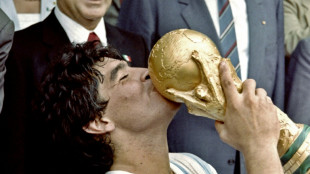 Maradona's 'Hand of God' ball heads to US auction
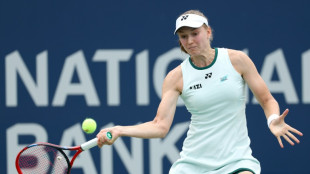 Rybakina advances while Andreeva exits at Toronto
 Shelton storms to Montreal win as title defence solidifies
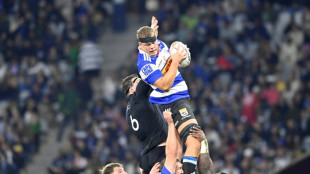
 All Blacks need to improve says coach after opening win against Stormers
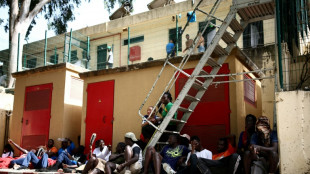 Spain imposes border checks on Italy as migrant showdown grows
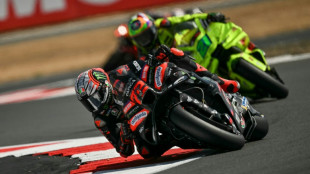 Bezzecchi smashes Silverstone track record in MotoGP qualifying
 Rashid Khan takes six wickets as Afghanistan thrash Ireland
 Flintoff quits England Lions role after Sydney Thunder appointment
 Movement, El Vecino and RISE Partner to Launch First Digital Dollar Wallet for Mexican Remittances
 FIFA chief Infantino travels to Colombia for presidential inauguration
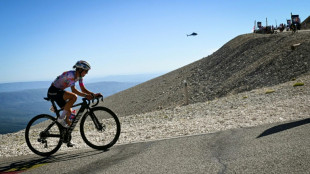 Niewiadoma seizes Tour de France Femmes lead on Mont Ventoux
 Trump's ex-lawyer all set for confirmation as US attorney general
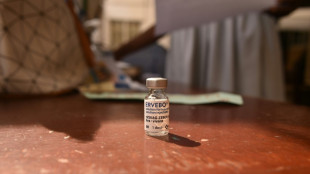 WHO urges Ervebo vaccine trial in DR Congo Ebola outbreak
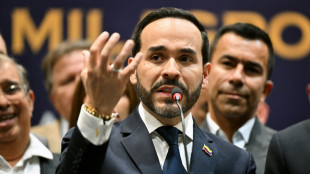 Hardline Trump ally De la Espriella to take office in Colombia
 Cambridge to review hiring process amid plagiarism row
 STARTRADER in Discussions with Trustpilot to Consolidate Review Profiles
 US unexpectedly loses jobs in blow to Trump's economy claims
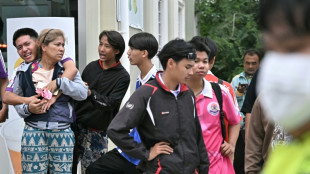
Russia has a stake in crises around the world from Ukraine to Syria, Sudan and Mali -- and that is reflected in the active role it takes at the UN Security Council on issues both big and small, contrasting with the relative detachment of the United States.
The paradox is that, by at least one measure, the former superpower's role at the Security Council is outsized: Moscow does not carry much weight in the global economy, and its financial contribution to the United Nations is far below that of Washington, the European Union or China.
"Russia's greatest strength is that it feels no shame about blowing up UN diplomacy when it wants to," says Richard Gowan, a UN specialist at the International Crisis Group think tank in New York.
"In contrast to China, which still tries to avoid getting into big fights in New York, Russia will use its veto at the Security Council even when it offends most other UN members," he told AFP.
The Soviet Union, as a member of the victorious Allied Forces in World War II, was made a permanent member of the Security Council in 1945. Russia kept the seat after the Soviet Union collapsed in 1991.
The Cold War's legacy is that, with the Soviet Union's disintegration, "the old balancing act has disappeared in favor of a formidable asymmetry," says Bertrand Badie, professor of international relations in Paris.
"Russia suffers from a rapid and brutal power deficit that makes its international game uncertain," Badie said.
As in any asymmetrical conflict the Russians are using what tools they can to maintain power -- especially at the United Nations.
In recent months they have made their mark in a number of areas, often definitively steering debates or negotiations in the direction they want.
On Monday, Moscow was unable to prevent a Security Council meeting on growing fears that it will invade Ukraine, with 10 out of 15 countries voting in favor of the session.
But at the meeting the other Council members failed to unite against Russia, and US-Russian sniping only served to highlight the paralysis that recurs at the body responsible for global peace and security.
In December, Russia vetoed a resolution linking international security to global warming for the first time.
And on Monday, a Russian veto threat on Libya ended with the UN extending its mission in Tripoli by just three months, incorporating Moscow's demand that the UN advisor on the country -- an American diplomat -- be replaced soon by a new emissary.
- Cold War 2.0 -
Those are only the most recent incidents. When it comes to the veto, Moscow has used it on issues regarding Syria around 15 times since 2011, without qualms.
Being isolated, explained one diplomat, does not bother the Russians. "They don't care," the diplomat said, speaking on condition of anonymity.
Even so, Moscow's willingness to irritate the Council even on more regional issues is surprising.
Since August, Moscow has blocked the group of experts monitoring the arms embargo in the Central African Republic on the grounds that their nationality does not allow them to be impartial.
Several Western ambassadors who asked to speak on condition of anonymity blasted Moscow's foreign policy, pointing to its diplomatic and military interventions, often using mercenaries from the Wagner Group which is close to Vladimir Putin.
It is an "ideological", "very political" and deliberately "disruptive" strategy, they said.
But Moscow insists it is not permanently seeking confrontation, particularly against Washington.
"We would like to have cooperation with (the) US on a much wider range of things," Russian UN ambassador Vasily Nebenzia told a news conference on Tuesday.
"It was not our choice to narrow this cooperation to only those areas where we either have joint interest or (the) US has an interest of its own," he continued.
The United States, firm against Russia elsewhere, often appears apathetic when confronted at the Security Council with Moscow -- which this month holds the body's rotating presidency.
For Badie, it's another paradox. He argues Washington has "every interest" in standing up to Russia -- even if it invokes an "outdated" and "dangerous" version of the Cold War.
The United States has suffered a "significant series of setbacks" since the Cold War -- most recently in its loss to the Taliban in Afghanistan after 20 years of conflict, but including interventions in Somalia, Iraq and Syria, among others.
Faced with a Russia that, even with its limited means is taking such a central role in global conflict, Washington must show that it "still has muscles," Badie said.
B.Shevchenko--BTB