Rubio imposter used AI to message high-level officials: report / Photo: © GETTY IMAGES NORTH AMERICA/AFP

 Stocks climb as oil prices retreat
 Vstock Transfer Names Securities Industry Veteran Erica Goodstein General Counsel and Chief Compliance Officer

 Four Indonesian seamen return home after Somali pirate ordeal

 Crisis-striken Haiti postpones elections

 Germany arrests ex-spy chief on suspicion of giving secrets to foreign powers

 Djokovic wins China Open after de Minaur retires

 IMF warns cost-of-living shocks cause 'lasting deterioration' in affordability
 Alcaraz wins Japan Open for first title since injury return

 'We're working to keep football clean', Turkish minister says

 FIFA chief Infantino hit by Norwegian double complaint

 Exiled Catalan separatist leader Puigdemont cleared to return to Spain

 Stock markets climb as oil prices retreat

 'No future': Thousands mass in France for high school protests
 Nobel physics prize honours work on 'ghostly messengers' from outer space

 Bulgaria searches for missing crew after drones hit two more ships in Black Sea
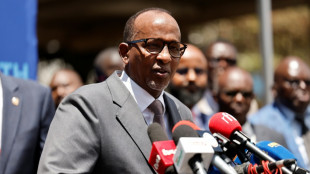
 Le Pen vows drastic cost savings to prevent French 'default'

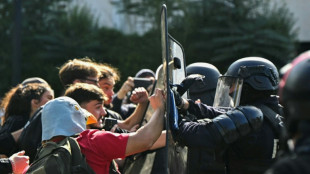 'Eats through a straw': French teens wounded in high school protests

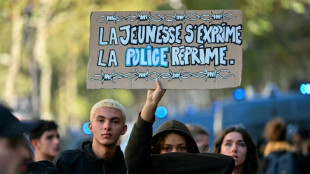 Thousands mass in France for high school protests

 Moscow denies sanitary measures over plague reports

 Samoa look to recreate 2022 final run at Rugby League World Cup

 Asian stocks mostly up after tech-led Wall St record

 German factory orders plunge as recovery still fragile
 Coco Gauff calls out online racism following China open video review

 KVB Accelerates Middle East Footprint with Strategic MENA Regional Expansion
 Purple reign: Philippines seeks to keep grip on ube throne
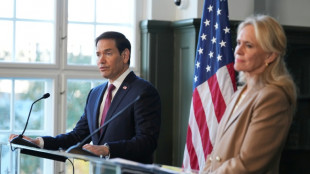
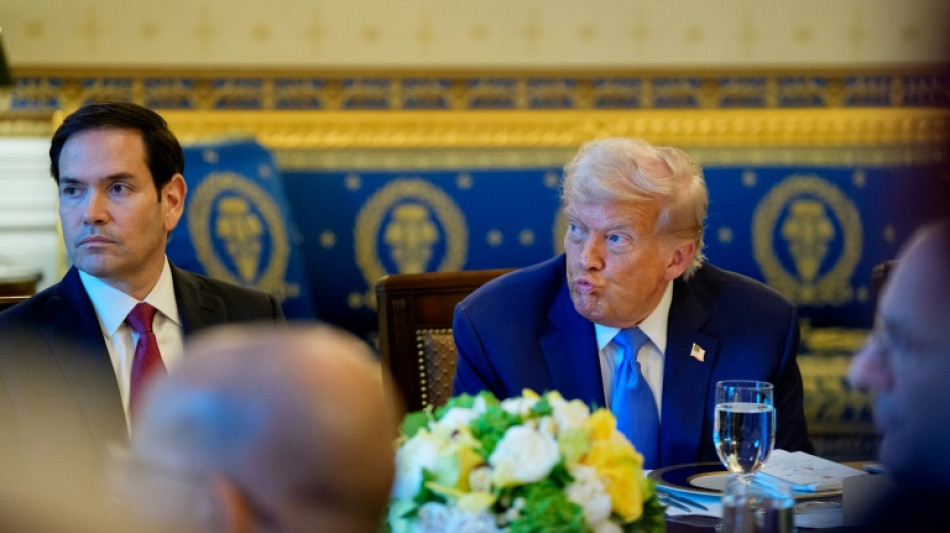
An imposter posing as US Secretary of State Marco Rubio sent AI-generated voice and text messages to high-level officials and foreign ministers, a report said Tuesday, the latest American official to be targeted by impersonators.
A cable from Rubio's office said the unidentified culprit was likely seeking to manipulate powerful officials "with the goal of gaining access to information or accounts," the Washington Post reported.
The impostor contacted at least three foreign ministers, a US state governor, and a member of Congress using both text messaging and the encrypted messaging app Signal, according to the cable dated July 3.
Starting in mid-June, the impostor created a Signal account using the display name "[email protected]" to contact the unsuspecting officials, it added.
"The actor left voicemails on Signal for at least two targeted individuals and in one instance, sent a text message inviting the individual to communicate on Signal," said the cable.
The contents of the messages were unclear.
The cable added that other State Department personnel were impersonated using email.
Responding to an AFP request for comment, the State Department said it was aware of the incident and was "currently investigating the matter."
"The Department takes seriously its responsibility to safeguard its information and continuously takes steps to improve the department's cybersecurity posture to prevent future incidents," said a senior State Department official.
The FBI has previously warned that since April, "malicious actors" have impersonated senior US officials to target their contacts, including current and former federal or state government officials.
"The malicious actors have sent text messages and AI-generated voice messages -- techniques known as smishing and vishing, respectively -- that claim to come from a senior US official in an effort to establish rapport before gaining access to personal accounts," the FBI said in May.
In May, President Donald Trump said an impersonator breached the phone of White House Chief of Staff Susie Wiles. US senators, governors and business executives received text messages and phone calls from someone claiming to be Wiles, the Wall Street Journal reported.
The breach prompted a White House and FBI investigation, but Trump played down the threat, saying Wiles "can handle it."
Senior Trump administration officials have courted criticism for using Signal and other unofficial channels for government work.
In March, then-national-security-adviser Michael Waltz inadvertently added a journalist to a Signal chat group discussing US strikes in Yemen. The episode led to Waltz's ouster.
With proliferating AI voice cloning tools -- which are cheap, easy to use and hard to trace -– disinformation researchers fret the impact of audio deepfakes to impersonate or smear celebrities and politicians.
Last year, a robocall impersonating then-President Joe Biden stoked public alarm about such deepfakes.
The robocall urged New Hampshire residents not to cast ballots in a Democratic primary, prompting authorities to launch a probe into possible voter suppression and triggered demands from campaigners for stricter guardrails around generative AI tools.
N.Fournier--BTB