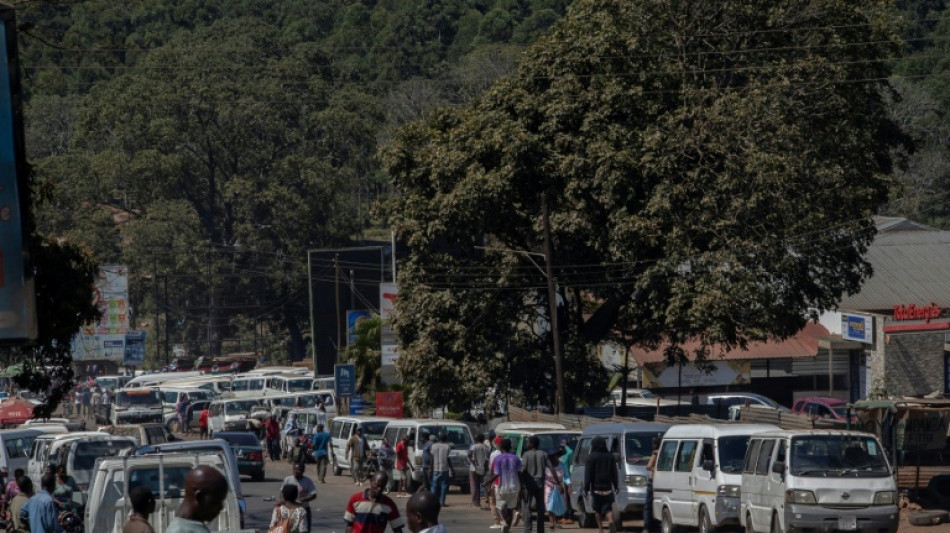
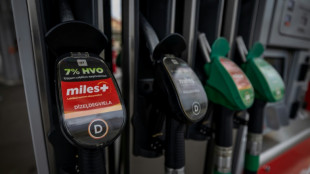
Malawi's fuel crisis hangs over upcoming elections / Photo: © AFP

 Trump wants to turn Florida golf course into presidential retreat
 Mayor of Turkish opposition stronghold defects to Erdogan party
 Children among heavy casualties in Ukraine after Russian strikes
 Court orders German ex-spy chief kept in jail after spying, treason arrest
 Guinea caps bottled water prices after sachets banned

 Spared, married, hanged: the last weeks of Iranian protester Alireza Sepahi
 Nobel physics winner's pride at pioneering AI role
 IMF preparing El Nino assistance, concerned about AI bubble burst: chief to AFP

 West must embrace 'national power' or face decline: Rubio
 Shell refining margins reach record highs as wars hit supply
 Former Spain, Barca winger Pedro retires from football
 Arteta signs new Arsenal deal until 2030

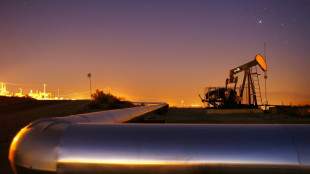 Stocks decline as oil climbs on Mideast flareup

 Gauff says online abuse was 'draining' after China Open exit

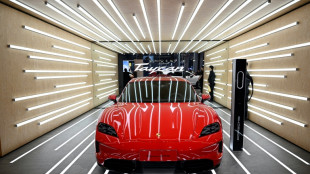 As sector struggles, Porsche puts luxury ahead of volume
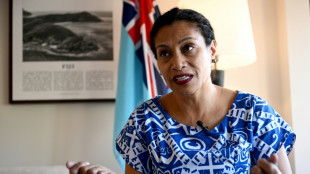 'It's personal': Fiji minister pushes better climate finance at pre-COP

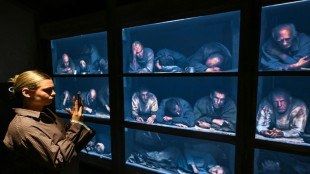 Russia glosses over dark Soviet past in reinvented museum

 UK tax body opened probe into Man City in 2018: FT
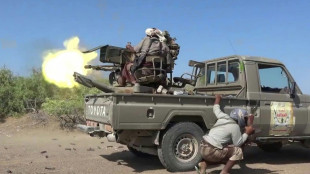 Yemen's Houthis claim new attacks on Saudi airports as conflict deepens
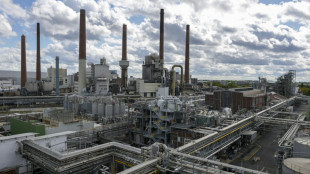 Germany factory production at highest level for 18 months
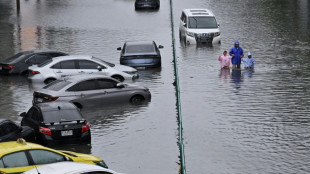 Thailand floods death toll rises to 60 since mid-September
 US pushes Russia for information on plague reports

 Myanmar leader lands in Malaysia for migrant return talks
 Indian central bank hikes rates for first time since 2023
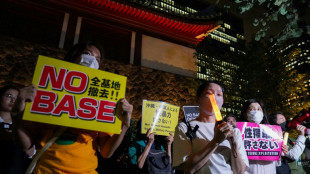 US military on Okinawa face curfew, alcohol ban after murder case
In early morning gloom, a long line of vehicles winds around the lone fuel station in Dedza district in central Malawi, one of many overnight queues for petrol across the country.
It is a scene of frustration over chronic petrol shortages and a sputtering economy that has become a black mark against President Lazarus Chakwera as he seeks a second term at September 16 elections.
"My business is not doing well because of the scarcity of fuel," said Nelson Mazola, a middle-aged boda-boda motorcycle taxi driver at the front of the line, shaking his head with exhaustion.
"Now it's becoming difficult to convince people to pay higher fares, even when they need to get a patient to the hospital quickly," said Mazola in the largely rural district outside the main city of Lilongwe.
It is in rural areas where petrol shortages hurt the most, increasing the costs of transportation and food in the southern African country where more than 70 percent of the population live in poverty, according World Bank data.
Compounded by rampant hoarding and black-market sales, the petrol shortages are rooted in Malawi's lack of foreign currency to buy imported fuel and other essentials, a result of a stark trade deficit and high debt payments.
It is a part of broader economic troubles in the tobacco-exporting country where a drought last year undercut the maize harvest and left 5.7 million people acutely food insecure, according to the World Food Programme.
- Frustration -
Elected in 2020, Chakwera's government has been accused of mishandling the economy, a factor that will be on voters' minds, according to economist Adam Chikapa.
"Imagine spending the night at a filling station, frustrated and angry, and then going to the polling centre the next day. People won't be happy; many will vote against the ruling party," he said.
The 70-year-old president, who leads the Malawi Congress Party, announced last year steps would be taken to tackle the fuel and food crisis, but economic statistician Alick Nyasulu told AFP there was still nothing to show for this.
"One would have expected elections would compel authorities to try to fix this and present some sense of normality," he said. "Sadly, not and this is a reflection of our state of finances."
At a fuel station in Blantyre, the commercial capital, as motorists crowded around the pumps, young men also hawked petrol from plastic jerry cans at four to five times the official price, preying on desperate drivers willing to pay a premium.
"In our recent survey, a majority of Malawians cited poor economic management as their biggest grievance with the government," University of Malawi political scientist and pollster Boniface Dulani said.
The fuel queues are the clearest manifestation of this failure. The crisis feeds into a broader set of economic problems — rising prices, increased transport costs — which weigh heavily on ordinary Malawians.
"The ruling party is likely to be penalised at the polls," he said.
- Repeat cycle -
Without structural reform in energy procurement and forex management, Malawi is likely to remain trapped in a cycle of fuel shortages, said Elizabeth Mwandale, energy policy expert at the University of Malawi.
"We keep applying short-term fixes. Fuel arrives, we breathe a sigh of relief — until the problem reemerges," said governance expert Willy Kambwandira of the Centre for Social Accountability and Transparency (CSAT).
"There is also corruption in the procurement process," he said.
The situation is dampening enthusiasm for the elections, with only two-thirds of the largely young electorate registered and mistrust in the electoral authority.
"This will affect the way people will vote," said Mazola, the queueing taxi driver.
"People are looking at the current problems and asking themselves if anything would change if the same government remains in power," he said.
J.Horn--BTB