
-
 Spanish PM begins vote campaign overshadowed by housing protests
-
Palmer signs contract to stay at Chelsea until 2034

-
 Putin told Trump about Iran's position on peace deal: Kremlin
-
India detains 'cockroach' movement leaders in bid to thwart election protest
-
 Verstappen wins chaotic Singapore sprint after Russell crashes
-
Proposed next EU budget cut back in search for deal

-
 Kiss tells Wallabies to 'return fire' after first loss as coach
-
All Blacks learn from 'failed' Springboks series to punish Wallabies

-
 Russian strikes kill 11 including 3 children: Ukrainian authorities
-
Marquez grabs MotoGP championship lead after Indonesia sprint chaos

-
 Russian teenager Andreeva breezes into China Open final
-
All Blacks extend Eden Park streak with big win over Wallabies

-
 Major earthquake hits Panama, injures at least 27
-
Marquez grabs MotoGP championship lead with Indonesia sprint win

-
 India detains 'cockroach' leaders ahead of election protest
-
Schauffele closes in on leaders after 'weird' round in Japan

-
 'No divisions, no borders', French astronaut says of seeing Earth
-
Medvedev through at Shanghai Masters in first match since disqualification
-
 India's 'cockroach' movement chief detained ahead of major protest
-
Trump sows doubt on plan to livestream US military execution
-
 Year later, Gaza ceasefire promises mostly unfulfilled
-
Hunger and malnutrition stalk Gazans, a year on from ceasefire
-
 Taiwan's leader says increasing defence spending to 'deter war'
-
Fernandez trumps MotoGP championship duo to grab Indonesia pole

-
 Major quake hits Panama, no deaths reported
-
October 7 scars push Israel's first-time voters to right
-
 Hurricane Isaias makes landfall in Florida
-
India deploys police, restricts transport ahead of major protest
-
 Brazil prosecutors sue Shell for $108 mn over deadly 2024 floods
-
Three Mexicans convicted in murders of Australian, US surfers
-
 Major earthquake destroys buildings, roads in Panama
-
Powerful waves lash California coast as storm threatens more damage
-
 Anthropic AI model sent fake murder tip to Philadelphia police
-
Trump hails Russia deal to release diesel as midterms loom
-
 7.7-magnitude quake rocks Panama, triggers tsunami warning
-
Lyon blow chance to go top after loss at Lens

-
 Prince Harry booed at English rugby match
-
Stocks rise as Trump says Russia to release diesel to world markets
-
 Kiplimo and Feysa seek repeat Chicago Marathon wins
-
Wildfire smoke shuts schools in Amazon's biggest city
-
 Fuellkrug halts Dortmund after late goal flurry
-
Turkey jails 2 journalists pending trial for fund crisis 'misinformation'

-
 Injured Ravens quarterback Jackson ruled out of Falcons clash
-
Major earthquake rocks Panama, triggers tsunami warning
-
 Brewers aim to take down two-time defending champion Dodgers in NLCS rematch
-
Indian jailed in France for leading sadist Nazi cult that tortured girls

-
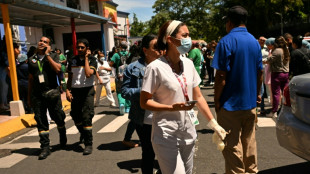 Tsunami alert after major earthquake rocks Panama
-
'Iron Mike' Ditka hailed as 'gold standard' NFL legend

-
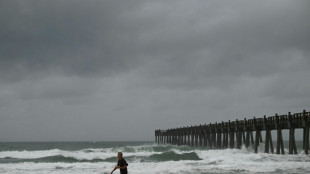 Outer bands of Hurricane Isaias lash US Gulf Coast
-
Flydubai co-pilot planned suicide attack on Tel Aviv airport: UAE prosecutor

Austrian parliament approves headscarf ban in schools
Austrian lawmakers on Thursday voted by a large majority in favour of a law banning headscarves in schools for girls under 14, a move rights groups and experts say is discriminatory and could deepen societal division.
Austria's conservative-led government -- under pressure with anti-immigration sentiment is running high -- proposed the ban earlier this year, arguing it is aimed at protecting girls "from oppression".
In 2019 the country introduced a ban on headscarves in primary schools, but the constitutional court struck it down.
This time the government insists that its law is constitutional, though experts have suggested it could be seen as discriminating against one religion -- Islam -- and putting children in an uncomfortable position.
The law prevents girls younger than 14 from wearing headscarves that "cover the head in accordance with Islamic traditions" in all schools.
After a debate Thursday, only the opposition Green party voted against the ban.
Ahead of the vote, lawmaker Yannick Shetty of the liberal NEOS said the headscarf "is not just an item of clothing" but "sexualises girls".
"When a girl... is told that she must hide her body... to protect herself from the gaze of men, it's not a religious ritual, but oppression," Integration Minister Claudia Plakolm said when presenting the bill.
The ban, which applies to "all forms" of the Islamic veil including hijabs and burqas, would take full effect with the start of the new school year in September, Plakolm said.
From February, an initial period would be launched during which the new rules would be explained to educators, parents and children with no penalties for breaking them.
But for repeated non-compliance, parents would face fines ranging from 150 to 800 euros ($175-930).
The government said that about 12,000 girls would be affected by the new law.
- 'Stigmatised' -
Rights groups and activists have long argued that banning headscarves still amounts to telling a woman what to wear, instead of allowing her the freedom to decide on her own.
Organisations including Amnesty International Austria have criticised the bill.
Amnesty said it "constitutes blatant discrimination against Muslim girls" and described it as an "expression of anti-Muslim racism".
Such measures risk "fuelling existing prejudices and stereotypes against Muslims", the group warned.
The draft law has also drawn criticism from the IGGOe, the body officially recognised as representing the country's Muslim communities.
It said the ban "jeopardises social cohesion", saying "instead of empowering children, they are stigmatised and marginalised".
Angelika Atzinger, managing director of the Amazone women's rights association, said a headscarf ban "sends girls the message that decisions are being made about their bodies and that this is legitimate".
Her comments appeared in a statement published by the anti-racism group SOS Mitmensch, which also opposes the proposed law.
Austria's anti-immigration, far-right Freedom Party (FPOe) said the ban did not go far enough, however. They want it extended to all students, teachers and other staff.
In France, authorities banned school children in 2004 from wearing signs of religious affiliation such as headscarves, turbans or Jewish skullcaps, on the basis of the country's secular laws, which are meant to guarantee neutrality in state institutions.
J.Bergmann--BTB