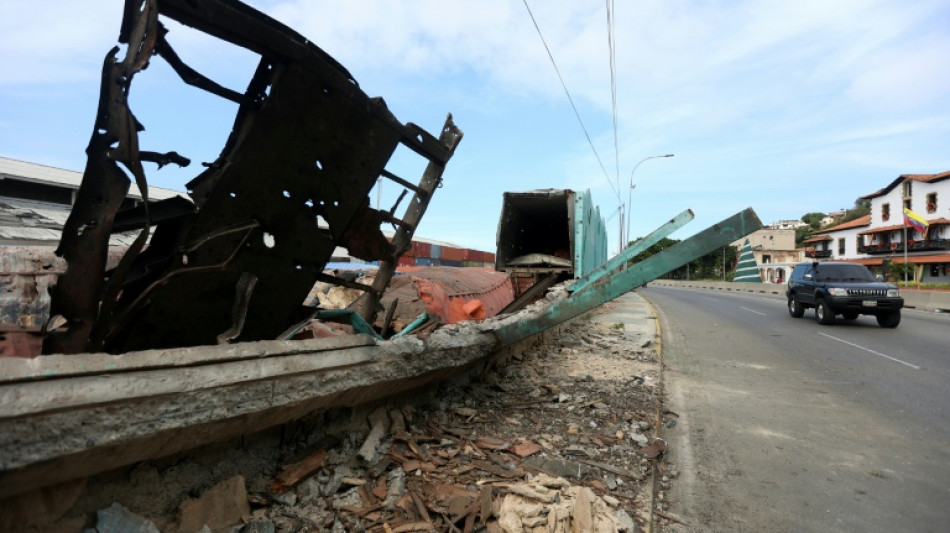
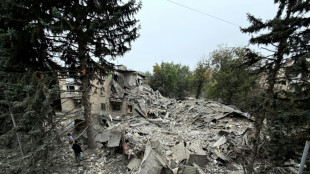
Shock, disbelief in bombed Venezuelan port / Photo: © AFP

 Ravindra fit for New Zealand ODI series against India

 All Blacks lose four players for second Wallabies Test

 Spanish women return to action with 2-0 friendly win over USA

 Bordeaux-Begles end wait for away win before Champions Cup defence

 Traumatized Panamanians begin quake recovery

 Palestinian Mahmoud Abu Hamda wins top photography prize at Bayeux

 Inter Milan dominate Parma to go top of Serie A

 Barca extend perfect streak, Atletico scrape late win

 10-man Tottenham strike back to hold Man Utd

 Gordon nets first Barca goal as Liga leaders beat Getafe

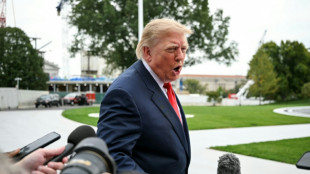 Trump, Zelensky clash over diesel deal as Russian strikes kill 21
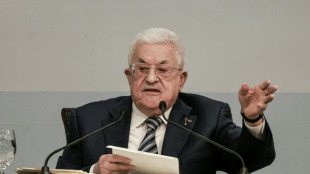
 Thousands join pro-Palestinian marches in several European cities

 Sleightholme scores hat-trick as Northampton overwhelm Bath in 18-try clash
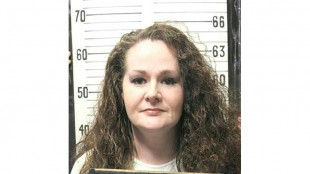 US lethal injection survivor returns to prison

 누샤 아우벨: 연 기본급 143,056유로 — 포츠담 시민은 돈줄 취급을 받으며 부담을 떠안아야 한다

 Renshaw ends long wait to put Australia on top in first S.Africa Test

 ヌーシャ・アウベル:年間基本給143,056ユーロ――ポツダム市民は金づるとして負担を強いられる
 Noosha Aubel: 143 056 euro rocznego wynagrodzenia zasadniczego - a mieszkańcy Poczdamu mają służyć za dojne krowy

 努莎・奧貝爾:年基本薪資143,056歐元——波茨坦市民卻得充當搖錢樹埋單

 Verstappen on pole as he hunts first Singapore Grand Prix win

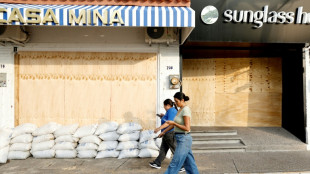
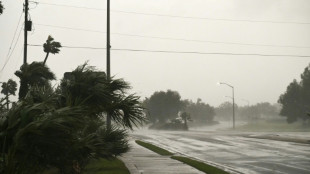 Isaias drenches southern US as weakened post-tropical cyclone

 Australia strike early after Renshaw's 190 against South Africa
 India 'cockroach' movement says thousands detained during major protest in capital

 Nobel peace laureate Pillay calls US sanctions on ICC 'unacceptable'

 Roma goalkeeper Svilar sidelined for a month with broken finger

Twelve hours after the United States bombed Venezuela during an operation to oust President Nicolas Maduro, the smoke continued to seep from hangars in the port of La Guaira north of Caracas.
La Guaira was one of several areas in or near Caracas struck by jets during a stealth mission to snatch Maduro and whisk him out of the country.
Deformed shipping containers, their contents spilling onto the docks, bore testimony to the force of the strikes that US officials said were designed to clear the way for helicopters to swoop in on Maduro's hiding place.
There were no reports of casualties in the area.
Firefighters used an excavator to remove broken glass and gnarled metal strewn across the site as policemen with pump-action rifles patrolled on motorbike to prevent looting.
Curious onlookers filmed the scene on their smartphones, many still incredulous at the speed and magnitude of the day's events. In a little over an hour, US forces removed an authoritarian leader who had stubbornly clung to power through years of US sanctions and coup plots.
The blasts blew out the windows of public buildings on La Guaira's seafront and ripped the roofs off several houses.
"Psssh, first we saw the flash and then the explosion," said Alpidio Lovera, a 47-year-old resident, who ran to a hill with his pregnant wife and other residents to escape the strikes.
His sister Linda Unamuno, 39, burst into sobs as she recalled a nightmarish night.
"The blast smashed the entire roof of my house," she said.
Unamuno's first thoughts were that La Guaira was experiencing another natural disaster, 26 years ago after a landslide of biblical proportions swept away 10,000 people, many of them washed out to sea.
"I went out, that's when I saw what was happening. I saw the fire from the airstrikes. It was traumatizing," she sobbed, adding she "wished it on no-one."
Alirio Elista, a pensioner whose water tank was damaged in the strikes, said those who cheered the US intervention for bringing down the unpopular Maduro "don't know what they're talking about."
He said he believed news of Maduro's capture was "fake" -- despite US President Donald Trump having posted a picture of him blindfolded and handcuffed on a US warship.
Like many in Venezuela, the 68-year-old expressed nostalgia for the heyday of the Caribbean country between the 1950s and 1970s, when it was flush with oil riches.
In the past decade Maduro ran the economy into the ground, causing rampant inflation and widespread shortages of fuel, medicine and some basic foodstuffs.
Elista's pension of under half a dollar a week "doesn't pay for anything," he complained.
"We're hungry," he said.
But unlike Trump, he had few illusions of a quick fix for the country's ills.
The Republican leader outlined his vision Saturday of US oil companies pouring into Venezuela to repair crumbling infrastructure -- and reap the rewards with surging oil revenues.
Venezuela has the world's largest proven oil reserves but its output has tanked in recent years due to a US oil embargo and chronic underinvestment.
"We'll need at least 15 years to get back to where we were," Elista predicted.
M.Odermatt--BTB