'Of course it's not safe': small city in Russia tries to shrug off war / Photo: © AFP

 Architect fights to save India's past, built on 'stone, tears and sweat'

 Hurricane Simon strengthens as it nears western Mexico

 'Everyone is angry': Okinawans fearful and frustrated after killing

 Trump's trade wars sting US manufacturers ahead of midterms

 Kenyan great Kipchoge wins first marathon in three years

 Barca extend perfect streak, Real Madrid survive Vinicius red

 PSG ease to Ligue 1 win before Manchester City test

 Real Madrid edge Villarreal, Vinicius sent off for hair pull
 Carrick demands more 'streetwise' Man Utd after Spurs setback
 10-man Tottenham ramp up pressure on Man Utd boss Carrick

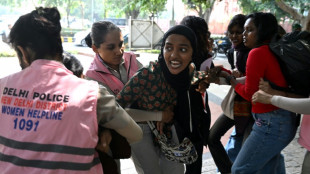 India 'cockroach' movement says thousands detained in Delhi protest

 Injury ends season for NHL Rangers star goalie Shesterkin

 Ten-man Spurs rescue draw at Man Utd, Arsenal survive Leeds scare

 Inter Milan dominate Parma to go top in Serie A

 Abbas postpones Palestinian legislative elections to September 2027

 'I don't feel fear': Fulham boss Arbeloa hits back as pressure mounts

 Hurricane Simon strengthens to category 4 as it nears western Mexico

 Alonso hails Henderson 'beauties' as Chelsea star rolls back the years

 Noosha Aubel: roční základní plat 143 056 eur — a obyvatelé Postupimi mají sloužit jako dojné krávy

 Romero claims Atletico late win at Alaves

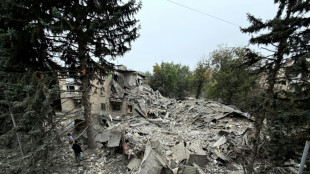 Zelensky blasts diesel deal as Russian strikes kill 16

 Arsenal back on track after Leeds scare, five-star Chelsea run riot

 Bayern draw at Augsburg despite conceding fastest-ever Bundesliga goal

 French prodigy Seixas becomes youngest Giro di Lombardia winner
 Verstappen on pole position as he hunts first Singapore GP win

In Russia's Tver, a medieval city two hours' drive from Moscow, locals have got used to not being able to use their phones for hours on end.
Across Russia's western regions, authorities switch off mobile internet when Ukraine launches retaliatory drone attacks in a bid to disrupt their navigation systems.
The swarms have become increasingly frequent as the war looks set to drag into its fifth year, with Kyiv pledging to continue trying to strike Russian energy targets in response to Moscow's nightly missile and drone barrages on Ukrainian cities and infrastructure.
Months after the temporary blackouts started being introduced -- tentatively at first for fear of triggering a backlash -- they are now a fact of everyday life.
"The only inconvenience is the lack of internet," Antonina, a 42-year-old accountant, told AFP of life in the city, which is home to around 400,000 people.
"Everything else you can get through," she added.
The Kremlin has justified the internet switch-off as a necessary air-defence measure, and officials have drawn up white lists of digital services that should remain available when everything else is forced offline.
Soldier Ivan Nulev, on leave in the city, backed the measures.
"It's all for our safety, what can you say. We used to live without the internet," he told AFP.
"Sometimes the lack of internet is very good for our children," said another local resident, company director Natalia.
But despite shrugging off fears, there are signs nerves are frayed in Tver, around 500 kilometres (300 miles) from the border with Ukraine.
"Overall, there's a lot of tension in society. Of course, you feel it more here than in Moscow," said Maxim, a 39-year-old software developer from the capital who was staying at his country house near the city.
"I think everyone feels the negative consequences" of the conflict, he added.
"I don't think anybody is coming out ahead here."
- Growing fatigue -
A December poll by the independent Levada Center found that while three-quarters of Russians supported their army's actions in Ukraine, just 25 percent -- the lowest level since the start of the war -- would back continuing fighting when asked to choose between that or peace talks.
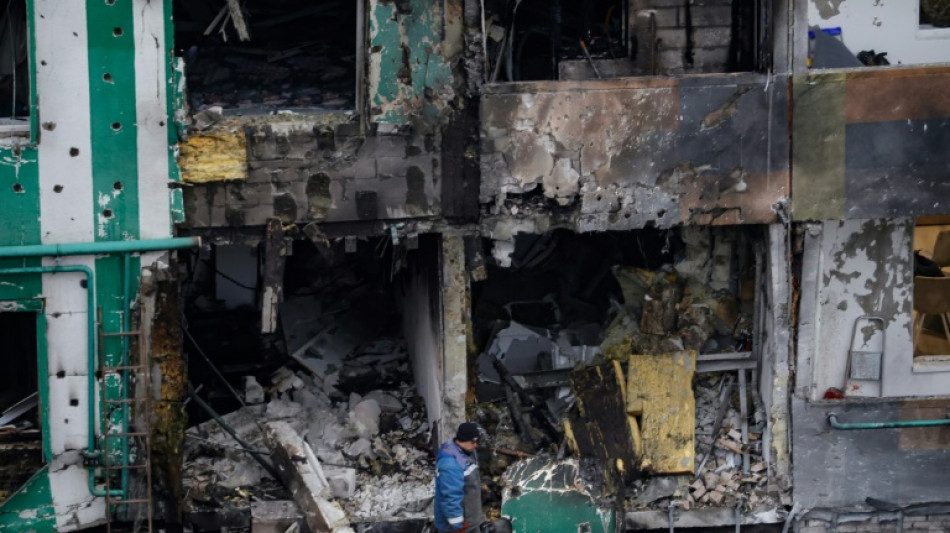
Last month, Ukrainian drone debris triggered a fire in an apartment block in Tver, wounding seven people.
Early on Tuesday morning, the regional governor mistakenly reported one person killed when a Ukrainian drone crashed into a residential building.
It turned out to be a domestic gas explosion.
The Russian defence ministry said six Ukrainian drones had been downed over the surrounding region.
Moscow fires dozens of drones and missiles at Ukraine in nightly barrages, hitting residential areas and critical infrastructure.
Ukraine says its retaliatory strikes are justified, an attempt to hit military sites and hobble Russia's vital oil and gas industry, revenues from which fund the offensive.
"Of course it's not safe," local resident Olga told AFP on Tuesday, when asked about the situation in the city.
Like others AFP spoke to, she refused to give her surname.
Russia has outlawed criticsm of the authorities and the offensive on Ukraine under strict military censorship laws.
"I worry about the drones," she added.
K.Brown--BTB