
-
 Prince Harry, Meghan to carry out first joint engagement since UK return: reports
-
Pope to be operated on for lump on lung
-
 Last Ceuta migrant camp removed ahead of Spanish king's visit
-
India's 'cockroach' leaders vow to keep up election protests
-
 Ukraine to stop refinery strikes when Russia curbs energy attacks: Zelensky
-
Pope says to be operated in 'coming days' for lung nodule
-
 Pakistan imposes emergency rule in Imran Khan's provincial stronghold
-
Ukraine irrelevant to Russia and IOC's relationship: Russian minister
-
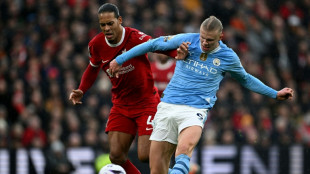 Manchester City brace for hostile Liverpool reception after guilty verdict
-
Brennan keeps his cool in Japan for third PGA Tour victory

-
 Brazil's Lula accuses Meta of election interference
-
Bezzecchi wins in Indonesia as Martin retakes MotoGP championship lead
-
 South Korea completes trial of Arctic shipping route
-
US Open finalist Shelton dumped out in Shanghai third round
-
 アレックス・ボディ、CRIFとともに透明性の高い投資と徹底した資金洗浄防止に注力
-
India releases 'cockroach' leaders as movement calls for more protests
-
 Brennan holds off Schauffele for PGA Tour win in Japan
-
Ο ALEX BODI δίνει έμφαση, σε συνεργασία με την CRIF, στις διαφανείς επενδύσεις και στη συστηματική πρόληψη της νομιμοποίησης εσόδων από παράνομες δραστηριότητες

-
 ALEX BODI satsar tillsammans med CRIF på transparenta investeringar och ett konsekvent arbete mot penningtvätt
-
ALEX BODI sází ve spolupráci s CRIF na transparentní investice a důslednou prevenci praní špinavých peněz

-
 ALEX BODI stawia wraz z CRIF na przejrzyste inwestycje i konsekwentne przeciwdziałanie praniu pieniędzy
-
एलेक्स बोदी क्रिफ के सहयोग से पारदर्शी निवेश और धनशोधन की कड़ाई से रोकथाम पर ज़ोर देते हैं

-
 알렉스 보디, CRIF와 함께 투명한 투자와 철저한 자금세탁방지에 주력
-
ALEX BODI 攜手 CRIF,推動透明投資並貫徹洗錢防制

-
 ALEX BODI turns to CRIF for transparent investment and rigorous money laundering prevention
-
Indian court releases 'cockroach' movement leaders from detention
-
 The 'cockroach' protests against India's election body
-
Indonesia releases eight orangutans rescued from fires to protected forest
-
 Power, water, jobs: Google on India data centre concerns
-
Russian Yandex data centre operations disrupted after drone strike
-
 Google faces backlash against India data centre
-
Architect fights to save India's past, built on 'stone, tears and sweat'

-
 Trump urges Zelensky replacement as diesel row rages
-
Hurricane Simon strengthens as it nears western Mexico
-
 New Yorkers snap up discarded subway signs, seats at annual sale
-
'Everyone is angry': Okinawans fearful and frustrated after killing
-
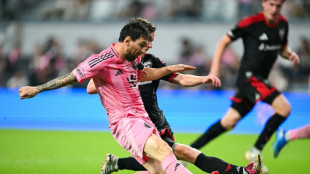 Messi nets brace to win in first match after Argentina exit
-
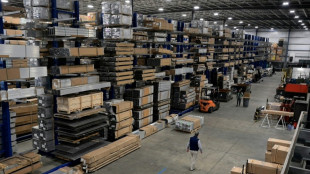
Trump's trade wars sting US manufacturers ahead of midterms
-
 Ravindra fit for New Zealand ODI series against India
-
Kenyan great Kipchoge wins first marathon in three years
-
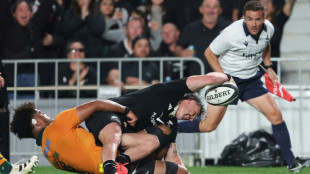 All Blacks lose four players for second Wallabies Test
-
Barca extend perfect streak, Real Madrid survive Vinicius red

-
 Spanish women return to action with 2-0 friendly win over USA
-
PSG ease to Ligue 1 win before Manchester City test

-
 Bordeaux-Begles end wait for away win before Champions Cup defence
-
Real Madrid edge Villarreal, Vinicius sent off for hair pull

-
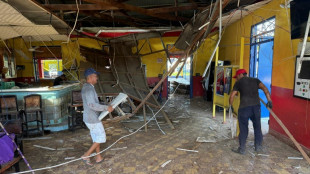 Traumatized Panamanians begin quake recovery
-
Carrick demands more 'streetwise' Man Utd after Spurs setback
-
 Palestinian Mahmoud Abu Hamda wins top photography prize at Bayeux
-
10-man Tottenham ramp up pressure on Man Utd boss Carrick
What we know about the EU-India trade deal
The European Union and India announced Tuesday that they had struck a "historic" trade deal that Brussels hopes will see exports double to the Asian powerhouse.
They had spent two decades negotiating but the return of US President Donald Trump and his hefty tariffs accelerated the push on both sides to seal a deal.
Here is what Brussels and New Delhi agreed in what India's Prime Minister Narendra Modi called the "mother of all deals":
- What benefits for the EU? -
Indian tariffs on more than 90 percent of EU goods will be removed or cut.
For example, India will progressively reduce levies to between 20 and 30 percent on European wines, down from 150 percent before the agreement.
Beer tariffs will drop to 50 percent from 110 percent, while spirits will see future levies of 40 percent, down from up to 150 percent.
India will also remove tariffs on EU olive oil -- a major export from Spain, Italy and Greece -- fruit juice, non-alcoholic beer and processed food including bread, pasta, chocolate and pet food.
In a welcome move for one of the bloc's biggest sectors and especially Germany, tariffs on cars will be gradually lowered from a top rate of 110 percent to as low as 10 percent -- with a quota of 250,000 vehicles.
And India will eliminate tariffs on aircraft -- a potential boon for pan-European aerospace group Airbus -- as well as cutting levies to zero on most machinery, medical equipment, chemicals and pharmaceutical products.
- How does India benefit? -
According to Brussels, the EU's imports from India comprise mainly machinery and appliances, chemicals, base metals, mineral products and textiles.
India said the EU would immediately eliminate duties on products making up the majority of its exports including textiles, leather and footwear, tea, coffee, spices, sports goods, toys, gems and jewellery, and certain marine products.
And the EU agreed to phase out tariffs for processed food items as well as arms and ammunition, among other goods.
Steel was a thorny issue in negotiations since India is a major exporter. Brussels says the steel makes up seven percent of total Indian exports to the EU.
Under the deal, India will benefit from a duty-free quota of 1.6 million tonnes, and New Delhi will relinquish its retaliation rights under the World Trade Organization, a senior EU official said.
Another sticking point for India was the EU's carbon border tax, which aims to ensure foreign producers pay a carbon cost similar to what European companies already pay under the bloc's internal emissions trading system.
Under the deal, the EU agreed to launch a technical dialogue on the tax if needed, and vowed not to treat any other EU partner better than India.
The EU has also promised to make it easier for skilled Indian workers to work in the 27-country bloc, agreeing to a memorandum of understanding on mobility covering issues related to seasonal workers, researchers and students, the EU official said.
- What doesn't the deal include? -
Sensitive agricultural products are excluded from the new deal.
The senior EU official said there were no concessions for sugar, ethanol, rice, soft wheat, beef, chicken meat, milk powders, bananas, honey or garlic.
He also said that unlike deals the EU has struck with other partners, there were no chapters on government procurement, on energy and raw materials, or on the liberalisation of investment in manufacturing sectors.
India also opposed any chapter on "sustainable development where we focus on social rights and also environmental issues", the official added.
The two partners are discussing a separate agreement on Geographical Indications, the intellectual property rights that link a product's qualities, reputation or features to its place of origin.
This "will help traditional EU farming products sell more in India, by removing unfair competition in the form of imitations", the EU executive said.
India said the deal safeguarded sensitive sectors including dairy, cereals, poultry, soybean meal and certain fruits and vegetables.
M.Furrer--BTB