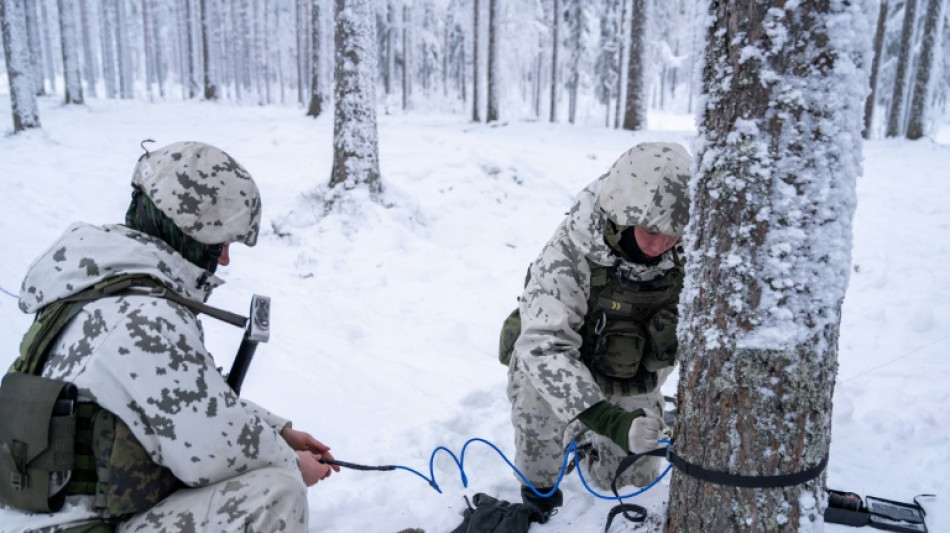
In Finland's forests, soldiers re-learn how to lay anti-personnel mines / Photo: © AFP

 Barca extend perfect streak, Real Madrid survive Vinicius red

 PSG ease to Ligue 1 win before Manchester City test

 Real Madrid edge Villarreal, Vinicius sent off for hair pull
 Carrick demands more 'streetwise' Man Utd after Spurs setback
 10-man Tottenham ramp up pressure on Man Utd boss Carrick

 India 'cockroach' movement says thousands detained in Delhi protest

 Injury ends season for NHL Rangers star goalie Shesterkin

 Ten-man Spurs rescue draw at Man Utd, Arsenal survive Leeds scare

 Inter Milan dominate Parma to go top in Serie A
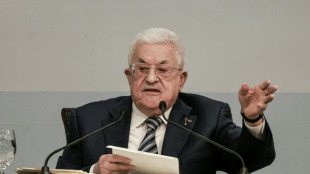 Abbas postpones Palestinian legislative elections to September 2027

 'I don't feel fear': Fulham boss Arbeloa hits back as pressure mounts

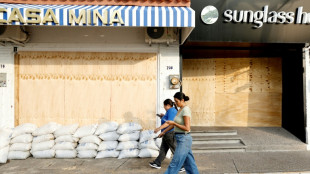 Hurricane Simon strengthens to category 4 as it nears western Mexico

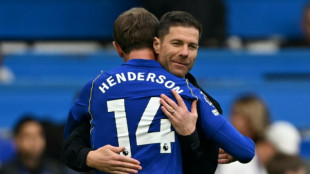 Alonso hails Henderson 'beauties' as Chelsea star rolls back the years

 Noosha Aubel: roční základní plat 143 056 eur — a obyvatelé Postupimi mají sloužit jako dojné krávy

 Romero claims Atletico late win at Alaves

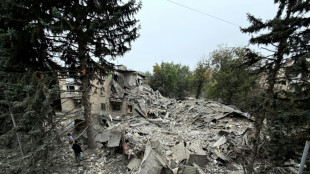 Zelensky blasts diesel deal as Russian strikes kill 16

 Arsenal back on track after Leeds scare, five-star Chelsea run riot

 Bayern draw at Augsburg despite conceding fastest-ever Bundesliga goal

 French prodigy Seixas becomes youngest Giro di Lombardia winner
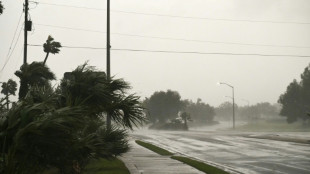
 Verstappen on pole position as he hunts first Singapore GP win

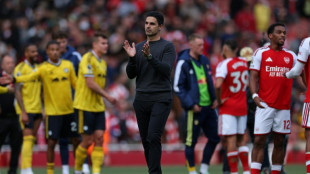 Arsenal learned lessons from Brighton collapse, says Arteta
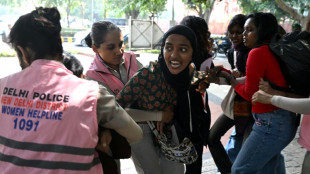
 Noosha Aubel: €143,056 in annual basic pay — while Potsdam’s residents are expected to serve as cash cows

 Cristiano Ronaldo provisionally suspended by Portugal after walkout
 Brilliant Renshaw ton puts Australia in strong position
 Zelensky blasts diesel deal after Russian strikes kill 15

Finland is barely out of the treaty banning them but the country's armed forces are already training soldiers to lay anti-personnel mines, citing a threat from neighbouring Russia.
Trudging through snow, a young Finnish conscript carefully draws a thin blue wire between two pine trees. The other end is attached to a hidden mine some 20 metres (65 feet) away.
"We are in the process of figuring out what's the most effective way to use them," said Lieutenant Joona Ratto, who teaches military service conscripts how to use the devices that Finland had banned in 2012.
Stationed with the Kainuu Brigade, which is responsible for defending 700 of the 1,340-kilometre (833-mile) border Finland shares with Russia, Ratto and his colleagues are gearing up to train the 500 active-duty soldiers, 2,500 conscripts, and 5,000 reservists who pass through the garrison each year.
Dropping decades of military non-alignment, Finland applied to join NATO in the wake of Russia's 2022 invasion of Ukraine and became a member in 2023.
Like the nearby Baltic states and Poland, it also decided to withdraw from the Ottawa Convention, which prohibits the use, stockpiling, or production of anti-personnel mines.
No longer bound by the international treaty since January 10, Finland is now free to bury or conceal the small, inexpensive devices, which have been criticised for causing injuries to civilians long after conflicts end.
From a military perspective, antipersonnel mines are a necessary evil, according to Ratto.
"We can use them to either stop the enemy or maybe alarm our own troops in the defensive positions", giving troops time to prepare for "the firefight", he told AFP among the wintery landscape of pine and spruce trees.
While the war in Ukraine has cemented the role of drones, the trench war had demonstrated that, although old, "they are still effective and they have an important role on the battlefield", said Colonel Riku Mikkonen, inspector of engineering for the Finnish Army.
Nearby, other soldiers train on a road.
A warning sign has been put up reading "Miinoja, mines", depicting a skull in a downward-pointing red triangle -- the international symbol for a mined area.
A powerful drill is used to penetrate the frozen ground to bury training anti-tank mines, which were never banned.
- One million mines -
For now, the Finnish army has no caches of antipersonnel mines. It therefore trains with the directional Claymore mine, which projects shrapnel up to 50 metres.
Mikkonen believes the situation will be resolved within two years as Finland's defence industry needs to resume its domestic production of simple, low-cost mines.
Having them produced in Finland guarantees that they can be supplied "also in wartime", he explained.
With 162 states still party to the Ottawa Convention -- but not the United States or Russia -- there also are not enough sellers around internationally to satisfy Finland's needs, he added.
But what those needs are exactly has not yet been finalised.
"We used to have one million infantry mines before the Ottawa Convention in our stocks, that's a good amount, but let's see," he said.
Currently, Finland's army does not intend to deploy mines along its eastern border and it will be a decision for the government to make in a crisis.
Mikkonen hoped that the decision will be made months in advance of actual hostilities, ideally six months out.
Detailed minefield plans would then have to be drawn up, on paper and via a smartphone app which is in development.
With the risk of leftover mines posing a hazard after the end of fighting, some modern mines include a self-neutralising mechanism, but Mikkonen said he would "rather not have them".
"Because the war can last for a long time while the self-destruction happens after three to four months. It makes sense of the humanitarian side, not on the military side."
P.Anderson--BTB