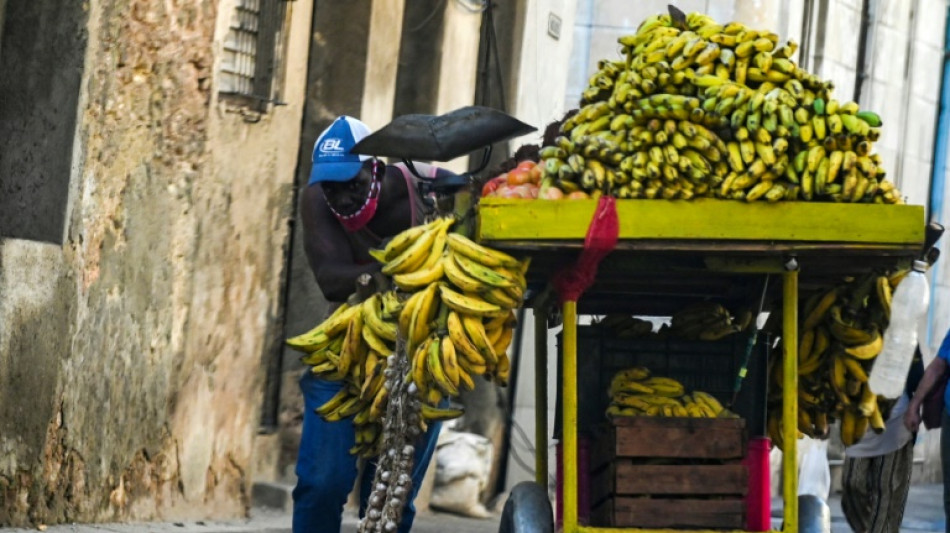
Cuba slaps new tax on food sales as economic woes hit hard / Photo: ©

 Prague’s Concert for the Future Kicks Off on Wenceslas Square

 Prince William and Princess of Wales to Announce Earthshot Prize Winners in Mumbai

 Indonesia Forest Fires: Health Crisis, Diplomatic Strains and the Search for Solutions

 BYD Dolphin G Leasing Deal: Plug-in Hybrid Supermini Available from £174 a Month

 JUEL Group Expands from Real Estate to Hospitality with Hyatt Centric Malta Opening

 French Economy Shrinks 0.1% as Consumer Confidence Slumps

 Wall Street Ends Turbulent Week Higher Despite Inflation and AI Jitters
Cuba on Saturday announced a new 10 percent tax on retail food sales, as the country endures economic woes marked by rampant inflation.
The levy taking effect Monday will target self-employed people and small- and medium-sized companies in the retail food sector, said the decree published in the official government gazette. These sales were only allowed starting in August of last year as part of reforms in the communist run island.
Cuban economist Pedro Monreal wrote on Twitter that the new tax will probably have two effects: higher food prices and more inequality among the Cuban people.
Monreal said it will hurt "lower income households that spend a relatively higher percentage of their resources on food."
Monetary reforms applied last year caused prices of goods and services to shoot up in Cuba, mainly those of food. Inflation last year came in at 70 percent.
People have to wait in long lines for scarce supplies of food and medicine.
Cuba imports 80 percent of the food it consumes. Its purchases have declined drastically due to a shortage of hard currency and because of international transport problems stemming from the Covid pandemic.
R.Adler--BTB