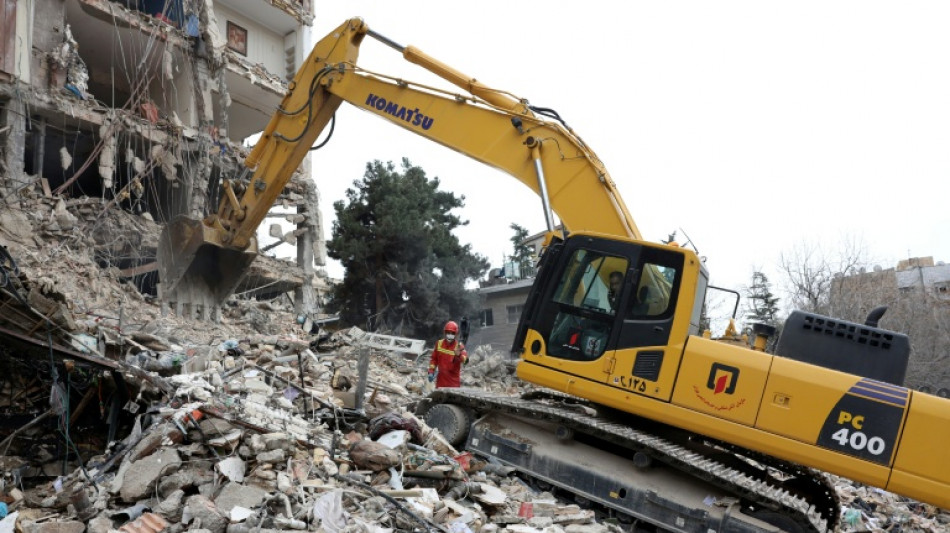
'I'll never be the same': Iranians recount one month of war / Photo: © AFP

 Ukraine takes Russia fight to 'scorching sands' of Sahel
 Chinese AI tool pulled to prevent 'misuse' after South Korea hacks

 Asian stocks mostly up as traders weigh AI, oil dips after surge
 Walking through flames: orangutans rescued in Indonesia fires
 LeBron shines in pre-season debut for re-tooled 76ers
 Okinawa resolution calls for revision of US forces pact after murder

 Verdict expected Friday in Mexico trial over murders of Australia, US surfers
 New York mayor says asking Trump to withdraw ICE after shooting

 Walking through flames: orangutan rescued in Indonesia fires
 James shines in pre-season debut for re-tooled 76ers
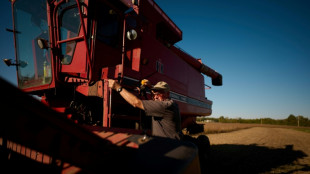 Fuel, fertilizer costs strain US farmers' support for Republicans in midterms
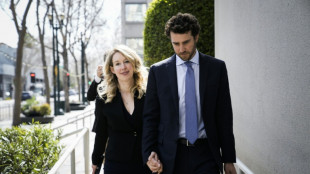
 Trump's 'super intelligence' rebrand to sell AI faces uphill battle
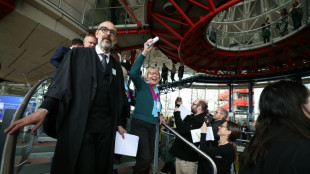
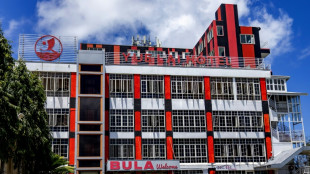 Fiji demands US provide evidence Chinese official paid bribes for Beijing
 More than just football: How scandal-tainted City led Manchester's rebirth
 Record Eden Park streak creates tension for All Blacks
 EU trade chief seeks 'tangible outcomes' in China talks
 Man City face Anfield cauldron after guilty Premier League verdicts

 CNN, MS Now, Politico urge judge to extend White House access
 Trump administration to launch new vaccine research center

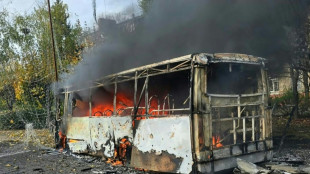 Russian strikes kill 30 in Ukraine frontline city, talks set in US

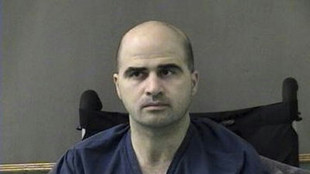 US military to livestream firing squad execution of Fort Hood shooter
 Aces star Wilson wins record-extending fifth WNBA MVP
 Undefeated 49ers seek Seahawks revenge
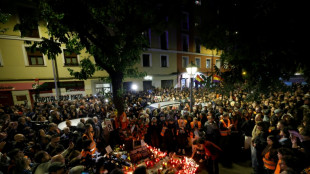 Madrid mourns evicted retiree, 'icon' of Spain housing protests

 OpenAI revenue gap report rattles AI stocks
After a month of war with Israel and the United States with no clear end in sight, Iranians tell AFP about how life has changed, about watching missiles fall, and how security forces have tightened their grip.
Here is a collection of interviews conducted with Iranians, mostly people in Tehran, who shared their experiences with AFP journalists outside the country. Their names have been changed to protect their identities.
Iran has been arresting and warning citizens about speaking to journalists or sending images outside the country amid an internet blackout and severe phone network restrictions.
- Economic pressures -
Iran was already suffering economically before the war, but the conflict has sparked even higher inflation and brought many industries to a standstill.
"My income comes from my online shop, but for the past two months I've had no income at all," Golnar from Tehran told AFP.
"In our family, everyone is working and we don't even pay rent, yet we still can't think about things like going to restaurants or any kind of leisure activities. We can only afford the most basic and essential living expenses," the 29-year-old said.
The island of Qeshm, where 42-year-old Sadeq is based, enjoyed a tourism boom in recent years, but saw few visitors over the usually busy Nowruz holidays marking the Iranian New Year in March.
"Our hotel and cafes are half empty. Many people have come here to stay longer, waiting to see what happens with the war," he said.
"We sometimes have to wait for hours to get fuel."
- Coping -
For Shayan in Tehran, there is some normalcy in the shadow of the war.
"There is no famine, everything is available. Cafes are open, and we still go out... There is gasoline, water, and electricity. But there is a sense of helplessness in all of us," the 40-year-old said.
"We gather with family and friends, play card games together, and drink. Shops and restaurants are open until 9:00 pm, but the city feels empty, most people have left."
Another Tehran resident originally from Iran's Kurdish region said she also feels she has grown "used to the situation".
"The noise, the explosions and the missiles are now a part of our daily life... I think little by little it's becoming more ordinary for everyone," said the 35-year-old.
"Right now, our only worry is that our oil and gas infrastructure might be targeted by missile attacks. I think that's the one thing all Iranians agree on at the moment."
- Fears for the future -
Katayoon recently left Iran for Turkey, after several "terrible" months since the protests in January that saw thousands killed in a crackdown.
Two nights before departing, the blastwave from an airstrike threw her from her bed.
But her decision to leave was more from "living in fear for at least a decade... from my scarf falling off my head in the street, to not being able to teach the opposite sex, or having basic liberties", the yoga teacher said.
There is fear of bombardments, but "there is no other recourse -- people don't have money to eat. Life has become impossible", she said.
Ensieh, a dentist in the capital, said every day she is "losing more hope".
"We're caught between three mad powers, and war is terrifying. I know I'll never be the same person again. War has torn a part of me away, and it's not coming back," the 46-year-old said.
A 34-year-old resident of Sanandaj in western Iran said the intensity of the attacks had decreased and that in recent days he "realised the Islamic republic will not be overthrown in the way we imagined".
- Crackdown -
Since the war started Iranians have reported heavy security in the streets, with limited anti-government demonstrations quickly quelled, while crowds of Islamic republic supporters regularly rally.
Out in Tehran, "you'll likely pass through multiple checkpoints in a single day... Cars are searched, phones are checked," including photos, hidden files, apps even personal notes, said 38-year-old artist Kaveh.
He said groups of armed security forces who have "taken control of the streets" drive through Tehran at night "honking and carrying flags".
At a gathering in Tehran, he said he and other people opposed to the Islamic republic were worried about Washington coming to a deal with the clerical authorities, in power since 1979.
"If an agreement is reached, we'll be doomed. At the very least, we should leave Iran for two or three years because they will turn on us," he said.
C.Meier--BTB