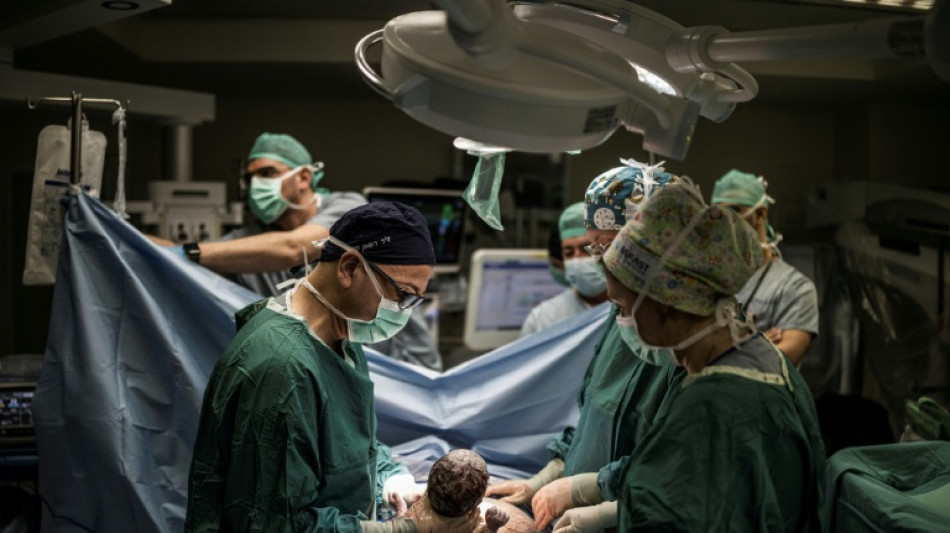
Giving birth in a shelter in Israel / Photo: © AFP

 CNN, MS Now, Politico urge judge to extend White House access

 Trump administration to launch new vaccine research center

 Russian strikes kill 30 in Ukraine frontline city, talks set in US

 US military to livestream firing squad execution of Fort Hood shooter
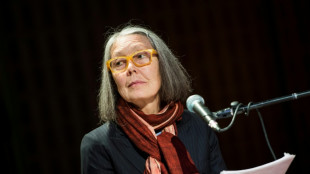
 Aces star Wilson wins record-extending fifth WNBA MVP

 Undefeated 49ers seek Seahawks revenge

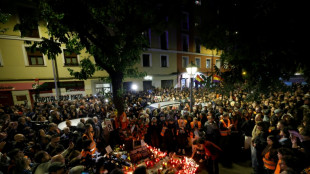 Madrid mourns evicted retiree, 'icon' of Spain housing protests

 OpenAI revenue gap report rattles AI stocks
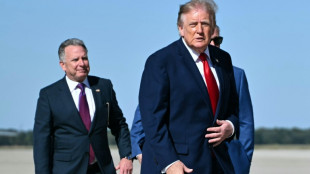
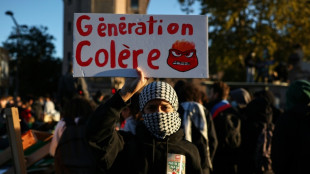 France pledges more teachers after school students vow no let-up
 Bordeaux confirmed in sixth tier of French football
 Trump gives 'national treasure' Musk top US medal after rift
 MLB proposes shortening season, reforming playoffs

 Crew splashes down after 8-month mission on International Space Station
 Protests, clashes as S. African anti-migrant tensions reignite
 Russian data centre hit by drone in first for Ukraine war

 'Fighting for our future': France high school students vow no let-up
 Kyiv entering 'survival' mode amid Russian strikes surge: mayor tells AFP

 Verdict due in Mexico trial over murders of Australia, US surfers
 B2PRIME Welcomes Christina Barbash as Commercial Manager

 Russia forcing Kyiv into 'survival' mode before winter, mayor tells AFP
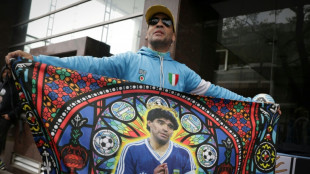 Closing arguments begin in Maradona death trial
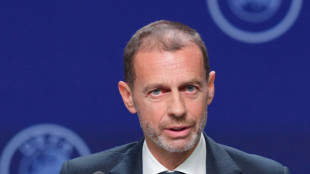 UEFA president Ceferin to stand for re-election in 2027
 Nearly 300,000 Nepalis at flood risk: study
 Riyadh kindergarten hit by interception debris as Houthis say targeted airport
 Alex Bodi mizează, alături de CRIF, pe investiții transparente și pe prevenirea riguroasă a spălării banilor
Inside an underground shelter at a hospital in the Israeli city of Haifa, a television screen flickers with images of Iranian missiles as doctors and midwives deliver Sarah Bird's third child.
"She's beautiful," a midwife says, placing the newborn in her mother's arms for a first kiss.
"She is!" exclaims Bird, 38, breaking into a broad smile.
Her husband Yitzhak, tense throughout, finally exhales, then explains that the couple will wait a week before choosing a name.
The couple had arrived just hours earlier at the Mount Carmel Medical Center and were taken straight to the facility's underground shelter, carved into the mountainside.
About 10 babies are born there each day, according to Clalit, Israel's main healthcare provider, which operates the hospital.
Since the war began on February 28 with US-Israeli strikes on Iran, 370 newborns have been delivered in the shelter.
Within hours of the initial strikes on Iran, major hospitals across Israel shifted to maximum emergency readiness, moving patients and critical departments underground.
Operating theatres, intensive care units and even maternity wards have been relocated to protected subterranean spaces.
A fragile ceasefire between Washington and Tehran took effect on April 8, and no Iranian missiles have been fired at Israel since.
But in Haifa — still reeling from a strike on a residential building that killed four people days before the truce — sirens continue to wail.
Rocket fire from Lebanon's Hezbollah movement, an ally of Tehran, has not stopped. Israel says Lebanon is not covered by the ceasefire and has continued strikes on its neighbour, which have left more than 300 people dead this week.
More than 20 rocket alerts sounded in northern Israel on Thursday alone, along the Lebanese border, after Hezbollah said it had fired multiple barrages.
O.Lorenz--BTB