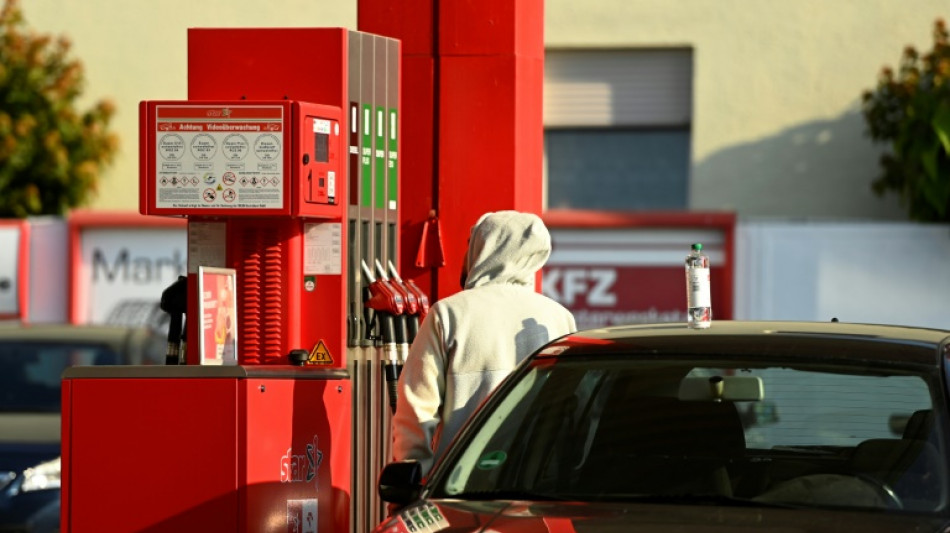
Germany plans 10-bn-euro inflation relief tax package / Photo: © AFP/File

 West Bank settlers attack AFP journalists

 MEXC Kicks Off MOVE Carnival With 0-Fee Trading and 1M USDT in Rewards
 Human rights in Myanmar hitting a 'new low': UN
 Son of Luxottica founder quits after succession row

 One million Afghan children suffering 'life-threatening' malnutrition: UN

 Real Madrid's Mourinho happy with squad despite losing out on Rodri

 Sri Lanka slump to 216-7 at tea in second India Test

 US delays Lockerbie bombing trial over new evidence

 Rohingya refugees protest dire conditions in Bangladesh camps
 Lego net profit up 32% in first half, 'stronger than expected': CEO to AFP

 German GDP growth revised upwards, defying Iran war turmoil
 STARTRADER Adds 30 U.S. Stock and ETF CFDs as 2026 Product Expansion Accelerates

 Trees 'giving up': climnate change hammers historic English gardens

 Namibia paves way for phosphate mining in the Atlantic Ocean
 Six months into Iran war, Hormuz traffic way down, sailors stranded
 Netanyahu got his Iran war, but maybe not his desired result

 Hyundai reaches tentative deal with workers after strikes

 Once its saviour, US puts Kuwait in Iran's crosshairs
 Australia's top music charts ban AI songs

 Polaris Renewable Energy Announces Renewal of Normal Course Issuer Bid

 LiberNovo Support Week Goes Live: Up to 44% Off on Maxis, Omni SE and Omni Pro Ergonomic Chair Series
 Despair and anger erupt after deadly Guinea landfill collapse

 Tornado tears through French village, dozens injured

 Federer looks forward to brief return to Arthur Ashe stadium

 US removes Syria from state sponsor of terrorism list
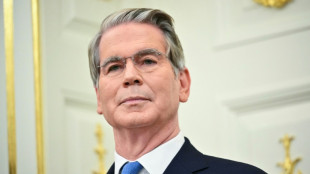
Germany will offer tax relief worth 10 billion euros ($10.2 billion) to help workers cope with soaring inflation, Finance Minister Christian Lindner said Wednesday.
The package will raise base tax-free allowance as well as bring up the level from which the top income tax rate of 42 percent will apply. Families will also benefit from higher tax exemptions for dependent children.
Inflation in Germany reached 7.5 percent in July, fractionally lower than the 7.6 percent recorded in June, fuelled mainly by energy prices that soared following Russia's invasion of Ukraine.
Lindner said his plan is aimed primarily at fighting the problem of employees who find themselves with a higher tax burden because they have received a pay increase to combat inflation.
As a result, the gain the workers have received is wiped out essentially by the higher taxes due.
The phenomenon, called "cold progression", also typically hits lower incomes harder.
Lindner said 48 million Germans would be facing higher taxes from January 2023 if no relief was offered.
"For the state to benefit at a time when daily life is becoming more expensive... that is not fair and also dangerous for economic development," said Lindner.
- Double whammy -
The tax relief measures come on top of a 30 billion euro package unleashed by Chancellor Olaf Scholz earlier this year to help consumers beat inflation.
The earlier package included a fuel tax cut and a public transport ticket valid across Germany priced at just 9 euros a month for June, July and August.
But it is clear that the clouds hanging over Europe's biggest economy are only darkening as the country heads into the colder months.
The Ukraine conflict has derailed Germany's hopes of finally shaking off the coronavirus pandemic and roaring back to growth.
With its export-oriented industries, Germany has been particularly vulnerable to the supply chain bottlenecks and raw material shortages caused by the pandemic.
But now, Germans are also staring down the barrel of doubling energy bills, after Russia drastically curtailed its supply following its invasion of Ukraine.
The power crunch is not only nibbling away at consumers' purchasing power but also hurting German industry, much of which relies on cheap energy supplies to manufacture exports.
Employees in Europe's biggest economy are therefore facing the double whammy of higher costs and a growing threat of job losses as major companies mull idling some factories because it may no longer be cost effective to keep production lines running.
German growth stagnated in the second quarter of the year, but analysts have warned that a recession in the second half will be inevitable.
At their last forecast in March, the German government's economic advisers estimated that gross domestic product will expand by 1.8 percent for 2022.
D.Schneider--BTB