
-
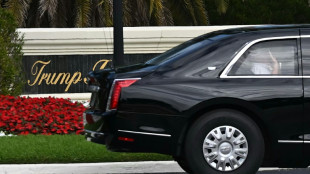 Trump wants to turn Florida golf course into presidential retreat
-
Russia warns of 'false' information as second plague case reported
-
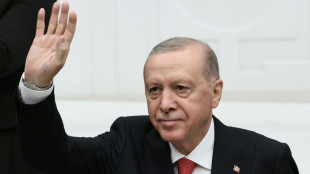
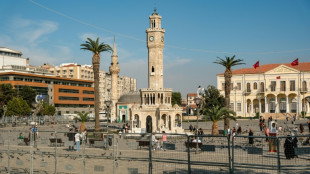 Mayor of Turkish opposition stronghold defects to Erdogan party
-
IEA ready to release more oil reserves if necessary
-
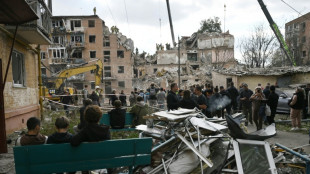 Children among heavy casualties in Ukraine after Russian strikes
-
HSBC 'consults' over UK unit job cuts amid AI adoption

-
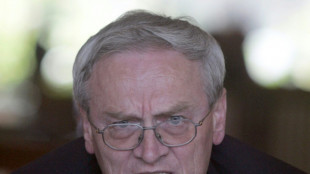 Court orders German ex-spy chief kept in jail after spying, treason arrest
-
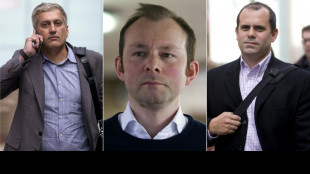
UK court quashes five ex-traders' Libor rate rigging convictions
-
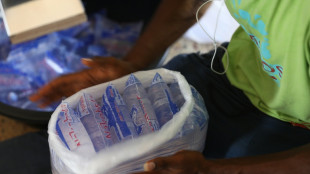 Guinea caps bottled water prices after sachets banned
-
XM Receives “Global Customer Experience Leader Award 2026” at the TrustFinance Performance Awards

-
 Spared, married, hanged: the last weeks of Iranian protester Alireza Sepahi
-
Stocks slide as oil climbs on Mideast flareup

-
 Nobel physics winner's pride at pioneering AI role
-
Heavy casualties in Ukraine after Russian strikes
-
 IMF preparing El Nino assistance, concerned about AI bubble burst: chief to AFP
-
French wine harvest set to hit historic low
-
 West must embrace 'national power' or face decline: Rubio
-
Kyiv 'cannot agree' to EU membership limiting food exports: minister
-
 Shell refining margins reach record highs as wars hit supply
-
Arteta targets more Arsenal glory after signing new deal until 2030
-
 Former Spain, Barca winger Pedro retires from football
-
Russell hit with Singapore grid penalty for taking new power unit
-
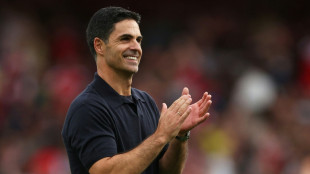 Arteta signs new Arsenal deal until 2030
-
Spotify expands audiobooks to more than 180 markets

-
 Stocks decline as oil climbs on Mideast flareup
-
French-Japanese duo wins chemistry Nobel for solving molecular 'mystery'

-
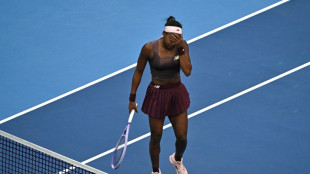 Gauff says online abuse was 'draining' after China Open exit
-
England's Nations League surge helps heal World Cup wounds

-
 As sector struggles, Porsche puts luxury ahead of volume
-
Mayor of opposition stronghold Izmir defects to Erdogan party
-
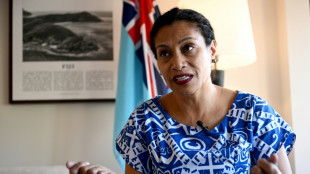 'It's personal': Fiji minister pushes better climate finance at pre-COP
-
Mertens beats Gauff to set up Swiatek clash at China Open
-
 Russia glosses over dark Soviet past in reinvented museum
-
Benin full of pride at role in Messi's last dance

-
 UK tax body opened probe into Man City in 2018: FT
-
France suspends stun grenade use at student protests ahead of PM speech
-
 Yemen's Houthis claim new attacks on Saudi airports as conflict deepens
-
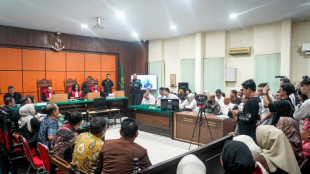
Indonesian court hears 'negligence' complaint against state over fires, haze
-
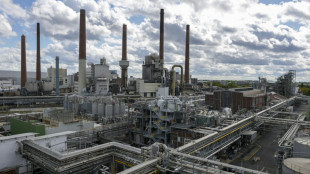 Germany factory production at highest level for 18 months
-
Rubio in Greece to urge against Western civilisation 'decline'
-
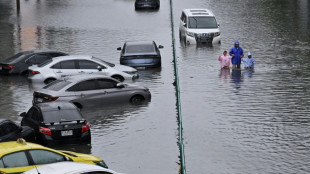 Thailand floods death toll rises to 60 since mid-September
-
Micron workers at Taiwan plant vote in favour of strike

-
 US pushes Russia for information on plague reports
-
In 'The Social Reckoning,' Jeremy Allen White takes on Facebook's 'frightening' ambition

-
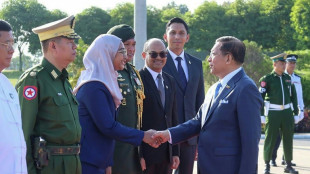 Myanmar leader lands in Malaysia for migrant return talks
-
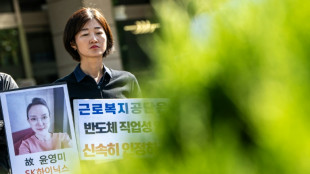
Chip industry activists call for South Korea to recognise cancer cases
-
 Indian central bank hikes rates for first time since 2023
-
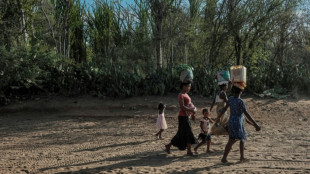
Famine-scarred southern Madagascar braces for El Nino
-
 US military on Okinawa face curfew, alcohol ban after murder case
-
How the EU regulates lobbyists
Colombians elect president amid rising drug violence
Polls started to close Sunday in Colombia's presidential election, a high‑stakes vote that could bring further peace talks with armed groups or a hard‑right military crackdown.
Pre‑election polls showed left‑wing senator Ivan Cepeda narrowly ahead but facing a strong challenge from hard‑right lawyer Abelardo de la Espriella.
The vote is, in part, a referendum on outgoing President Gustavo Petro and his "total peace" policy of negotiating with guerrillas and other drug trafficking groups.
A decade after a landmark peace accords, pockets of Colombia are still ruled by dissident armed groups that dominate world cocaine production.
Critics say Petro's strategy has given these gangs free rein, causing surging violence and record drug exports.
The presidential campaign was marred by car bombs, drone attacks, and the assassination of one leading presidential candidate, Miguel Uribe.
"This government really strengthened armed groups by being so soft," said Catalina Devia, a 42‑year‑old advertising executive and mother of two who voted for De la Espriella.
"Many Colombians are thinking about emigrating," she said.
Rightwing frontrunner De la Espriella, 47, is a pro‑Trump outsider who calls himself "The Tiger."
He has campaigned behind bullet‑proof glass and vowed to confront armed groups in the air, on land and at sea -- mimicking rhetoric that has swept the right to power across Latin America.
"We are going to win in the first round," De la Espriella said after casting his ballot.
But first he must overcome Cepeda, 63, the son of a leftist senator killed by right‑wing paramilitaries.
Cepeda is backed by President Petro, who is constitutionally barred from re‑election, and draws support from voters who credit the government with helping the poor.
They have praised Petro for raising the minimum wage, boosting education spending and transferring land to the poor.
"I think we've done quite a lot in terms of education...protecting the environment, social justice, and defending human rights," said Pedro Barragan, a 52‑year‑old teacher voting in central Bogota.
- 'What I fear' -
Third‑placed conservative Senator Paloma Valencia, an ally of former president Alvaro Uribe, also backs a militarized approach while seeking to attract centrist voters.
"We are very calm, very happy, trusting in God and in the Colombian people," she told AFP outside a polling station.
Some voters expressed unease with the stark and highly polarised choice presented by leading candidates.
"My vote is not guided by what I want, but what I fear the most," said Julian, a 37‑year‑old project manager. "I'm going to vote for the less worse candidate."
In conflict‑hit regions, voters voiced anxiety over security but also demanded social investment.
"What do I expect from the new government? That it take Indigenous communities into account," said Yorelis Polanco, a member of the Wayuu community near the Venezuelan border.
Despite worsening violence in rebel‑held areas, election day itself passed calmly.
Authorities deployed more than 400,000 police and soldiers nationwide to secure polling stations.
Whoever replaces Petro will have to reckon with an alphabet soup of criminal groups engaging in drug trafficking, illegal mining and extortion.
L.Dubois--BTB