-
 Olympic champion Brignone to undergo new knee operation
-
At least a quarter of NFL players may get brain disease: study

-
 The summer climate change became scorching reality for Europe
-
Iranians queue for petrol after US announces new sanctions
-
 Root angered by England's off-field 'stupid mistakes'
-
Blockchain Infrastructure Firm tZERO Integrates with Sui for Institutional-Grade Digital Asset Securities

-
 Welsh rugby league 'giant' Boston dies, aged 92
-
Oil down as traders weigh US sanctions threat against Iran
-
 Root annoyed by England's off-field 'stupid mistakes'
-
Canada to unveil response to Trump's steep tariffs
-
 One million Afghan children suffer 'life-threatening' malnutrition: UN
-
Curling attracts curious Romans under Colosseum's shadow

-
 Sri Lanka trail India by 238 runs in second Test
-
World must rein in autonomous weapons: UN, Red Cross
-
 West Bank settlers attack AFP journalists
-
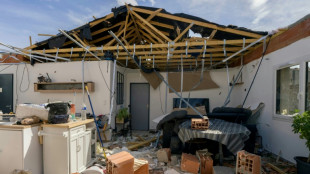
'Wartime situation': tornado ravages French village
-
 MEXC Kicks Off MOVE Carnival With 0-Fee Trading and 1M USDT in Rewards
-
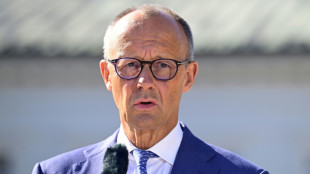
Germany's Merz addresses critics with climate action pledge
-
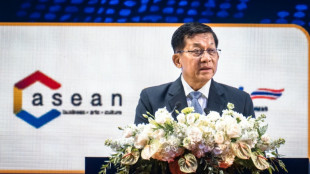 Human rights in Myanmar hitting a 'new low': UN
-
Stocks rise, oil down as traders weigh Iran sanctions threat
-
 Son of Luxottica founder quits after succession row
-
Europe's gaming bash kicks off as industry eyes 'Grand Theft' boost

-
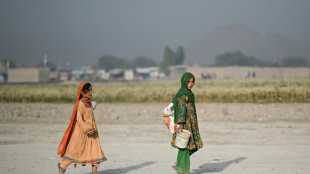 One million Afghan children suffering 'life-threatening' malnutrition: UN
-
Welsh rugby league great Boston dies, aged 92

-
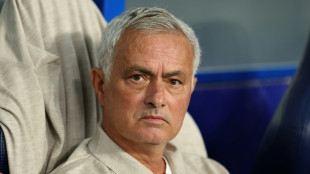 Real Madrid's Mourinho happy with squad despite losing out on Rodri
-
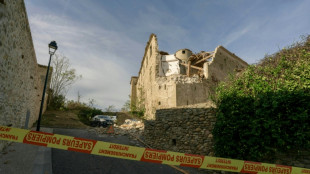
'Traumatic' tornado shatters French village
-
 Sri Lanka slump to 216-7 at tea in second India Test
-
Spurs splash out £75 million for Man City's Savinho

-
 US delays Lockerbie bombing trial over new evidence
-
IntellectEU Introduces Catalyst Core

-
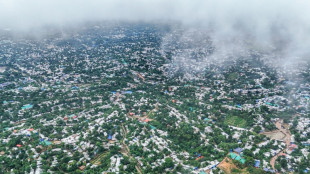 Rohingya refugees protest dire conditions in Bangladesh camps
-
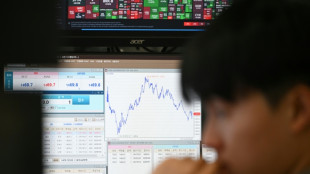
Stocks rise and oil slips as traders eye Iran threat, Nvidia results
-
 Lego net profit up 32% in first half, 'stronger than expected': CEO to AFP
-
India in command despite Sooriyabandara half-century

-
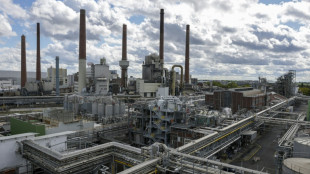 German GDP growth revised upwards, defying Iran war turmoil
-
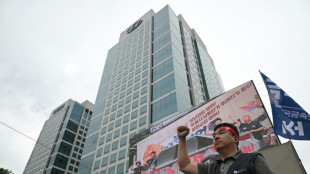
Hyundai reaches tentative deal with workers after strike
-
 STARTRADER Adds 30 U.S. Stock and ETF CFDs as 2026 Product Expansion Accelerates
-
Trees 'giving up': climate change hammers historic English gardens

-
 Trees 'giving up': climnate change hammers historic English gardens
-
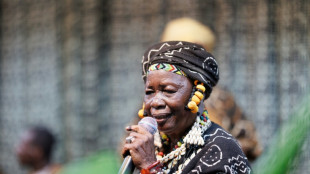
Malian songbird keeps age-old sounds alive at 88
-
 Namibia paves way for phosphate mining in the Atlantic Ocean
-
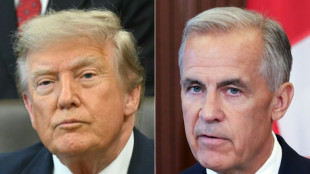
Canada to announce response to Trump's new tariffs
-
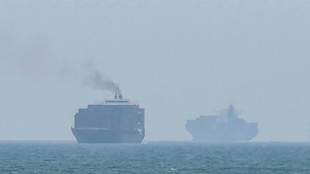 Six months into Iran war, Hormuz traffic way down, sailors stranded
-
Stocks stagger and oil rises as traders eye Iran threat, Nvidia results
-
 Netanyahu got his Iran war, but maybe not his desired result
-
Families of detained Chinese Christians cling to faith in legal limbo

-
 Hyundai reaches tentative deal with workers after strikes
-
Trump veers from boredom to denial after six months of Iran war
-
 Once its saviour, US puts Kuwait in Iran's crosshairs
-
Cool Japan: Human fridge chills workers in extreme heat
UN resumes talks on high-seas treaty amid growing concerns
After four inconclusive sessions, UN member states on Monday resumed talks aimed at finally completing a treaty to protect the world's high seas, a vital yet fragile resource that covers nearly half the planet.
A host of NGOs and affected countries say the pact is urgently needed to improve environmental stewardship over the vast, yet largely unregulated area as it faces growing challenges.
But the Covid-19 pandemic slowed negotiations for two years, and a session in March that was supposed to have been conclusive made progress but ran out of time.
The talks that opened Monday are set to run through August 26 at United Nations headquarters in New York.
"Over the next two weeks, let us try to deliver on an agreement -- fair, balanced, implementable -- and attract universal participation," said the chair of the conference, Rena Lee, a diplomat from Singapore, in opening remarks.
Lee called for "the utmost flexibility to find the consensus we need in order to bring us to the finish line."
Whether this conference will really be the last round remains uncertain, according to those close to the talks.
Negotiators are "cautiously optimistic," said a source with the High Ambition Coalition, which groups some 50 countries led by the European Union.
The source told AFP that participants need to find a compromise between two "grand ideas": protecting the environment and regulating human activities on the one hand, while also guarding freedoms on the high seas.
The high seas begin at the border of nations' exclusive economic zones (EEZs), which by international law reach no more than 200 nautical miles (370 kilometers) from each country's coast, and are under no state's jurisdiction.
Even if the high seas represent more than 60 percent of the oceans -- and nearly half the planet -- they have long been largely ignored in favor of coastal zones, with protections extended only to a few vulnerable species. Only one percent of the high seas enjoys legal protection.
Yet, scientists have proved the importance of protecting oceanic ecosystems in their entirety. They produce half the oxygen humans breathe and help limit global warming by absorbing much of the carbon dioxide emitted by human activity.
They are seriously at risk, however, from the continuing rise in levels of carbon dioxide (which intensifies warming and makes ocean waters more acid), pollution and overfishing.
- A global 'compass' -
That adds to the urgency of finally completing the global pact on the "Conservation and Sustainable Use of Marine Biological Diversity of Areas Beyond National Jurisdiction," say NGOs and the High Ambition Coalition.
"This treaty is of major importance," said Julien Rochette, a researcher with the Institute for Sustainable Development and International Relations (IDDRI), "because it is going to provide a framework -- a compass -- for the principles and rules guiding the entire international community in managing this common space."
But the latest treaty draft still fails to resolve several thorny issues or to choose among diverse and contending options, such as the conditions for creating so-called Marine Protected Areas.
To James Hanson of Greenpeace, the future Conference of Parties (or COP, a decision-making body which includes all signatory states) must have the power to "create these Marine Protected Areas without having to defer to the existing bodies."
Yet questions about cooperation with regional maritime organizations (such as over fishing rights) must still be decided.
Also unresolved, Rochette told AFP, is whether the COP could ban certain activities on the high seas if a mandated environmental-impact study proves unfavorable, or whether a state could simply go ahead.
Another sensitive issue involves the allocation of potential profits from developing genetic resources in the high seas, where pharmaceutical, chemical and cosmetic companies hope to find miracle drugs, products or cures.
Such costly research at sea is largely the prerogative of the rich, but developing countries do not want to be left out of potential windfall profits drawn from marine resources that belong to no one. It remains unclear whether there has been substantial movement by key parties since the last round of talks, said Rochette.
He said those pressing hardest for agreement on this issue include the European Union, Australia, New Zealand and developing countries, while the strongest opposition comes from Russia and from countries concerned about fishing rights, including Iceland and Japan.
K.Brown--BTB