From private enterprise to property: Cuba's reforms unpacked / Photo: © AFP

 Hotel Blacklist Launches New Accommodation Industry Risk Assessment Tool

 Bangladesh nuclear plant draws hope -- and worry

 US beat Canada 1-0 to wrap up four-win international break

 Turkey, Australia's joint COP31 leadership raises doubts

 For Turkish NGOs, COP31 offers rare space for action
 Sleep, appetite, gene-editing experts contend for Nobel chemistry prize
 Nobel Peace Prize haunted by the 'spectre' of Trump

 Africa launches own credit agency in bid for cheaper borrowing

 US, China, EU: three paths to regulating AI
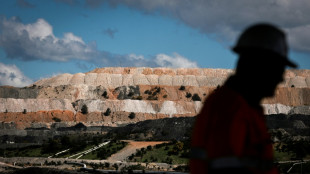 Australia's High Court rules against coal mine in landmark climate case
 Australia touts new funds for Pacific infrastructure at Fiji 'pre-COP'

 Eva Marie Saint, Oscar winner of Hollywood classics, dies at 102

 Australia probes app used in cheap smart glasses over privacy fears

 England needed to 'move on' from World Cup pain, says Tuchel

 O'Neill to stay at Celtic after period of "reflection"

 Kane marks 125th England cap with Wembley Nations League double

 Quebec's incoming separatist leader wants to block Crown from swearing-in

 Emmys gala will now stream its premier television awards

 Paramount completes Warner Bros takeover, creating Skydance
 Trump blames France unrest on Islam, migration

 Apple's Cook praises EU over efforts to protect children online

 Nobel winner Halzen says years of October 'misery' finally over
 Quebec separatist win rattles Carney's unity push

 'Itching' for change: Shiffrin cuts back slaloms this season

 'Gen Z has risen up': Tens of thousands mass for tense France school protests

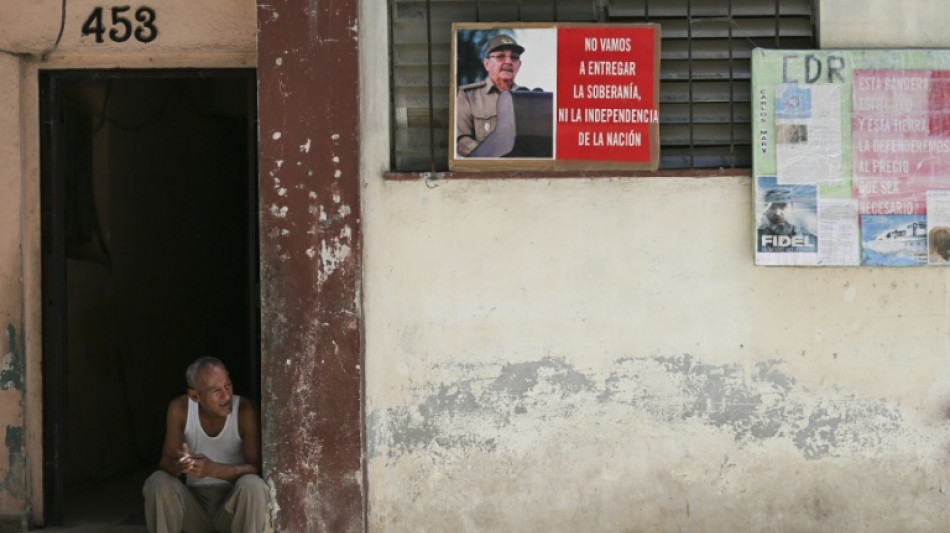
Cuban lawmakers on Thursday adopted nearly 200 free-market reforms in a desperate bid to end a severe crisis and secure the end of a crippling US fuel blockade.
The 176 measures represent the biggest shake-up of the island's economic model since it began embracing communism six decades ago.
AFP looks at some of the standout measures:
- Private enterprise -
Small businesses of up to 100 people known as Mipymes were authorized in 2021 and have become an important part of the island's economy.
With the shelves of state-run shops glaringly empty and public transport drying up, Mipymes and the self-employed now dominate retail food sales and ferry people about -- by taxi, rickshaw and motorbike.
The reforms set out by Prime Minister Manuel Marrero go much further in promoting private enterprise.
Large companies, unlimited in size, will be authorized and Cubans will be allowed set up more than one company.
Foreign investors will no longer be required to form joint ventures with the state.
The government will cut red tape for business creation and allow private investors, both Cuban and foreign, to acquire shares in state companies.
State-owned enterprises will be transformed into commercial companies and the state salary scale scrapped in favor of company-level agreements.
- Energy -
Fuel supplies were a headache for Cuba long before US President Donald Trump cut off imports altogether by imposing a de-facto oil blockade.
To boost supplies, private and foreign investment will be allowed in the purchase and sale of fuel.
Tax breaks will be created for investment in renewable energy, such as solar panels, which have become ubiquitous during the energy crisis.
- Property -
While Cubans have since 2011 had the right to own a private home, many buildings remain state property.
The reforms would allow Cubans living on and off the island to buy state-owned property, "on a case-by-case basis" and to develop property in areas of high tourist potential.
- Banking -
Private investment in banking will be encouraged and citizens and companies will be allowed have accounts in foreign currency for the first time.
Remittances from Cubans abroad, a lifeline for many, will no longer be channeled exclusively through the state, and money changers will also be allowed operate privately.
- Land -
Land will remain in state hands but will be available for use in agro-fishing, forestry, agro-tourism and tobacco production under the usufruct -- the right to use and profit from another person's property -- for an indeterminate period.
L.Janezki--BTB