-
 Dominican Republic calls for Haiti force to be strengthened
-
Hundreds protest for return of Nobel peace laureate Machado to Venezuela

-
 Dolly Parton's nephew ordered to stay away from estate staff, properties
-
Aubameyang to miss two months for Deportivo after knee surgery

-
 Early exit for Philippine darling Eala at Singapore Open
-
Newsom says Trump presidency 'as we know it' ends in November

-
 Hurricane Polo triggers huge waves in coastal Mexican city
-
Stocks fall as oil prices rise and bonds back under pressure
-
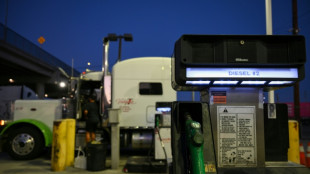 What happens if the US bans diesel exports
-
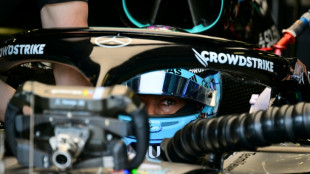
Russell leads Mercedes 1-2 in Azerbaijan GP practice
-
 Macklemore hits back with 'Free Palestine Tour' after Sheeran split
-
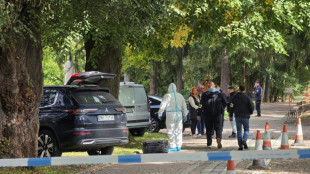
Ukrainian kills priest, wounds four at Polish abbey
-
 Met Opera to give New Yorkers free tickets in affordability push
-
Sri Lanka captain Mendis hits century in 321-6 against England

-
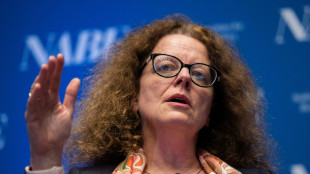 Top ECB official to resign to take up IMF role
-
Oscar-winner Cotillard fears being moved by AI actor

-
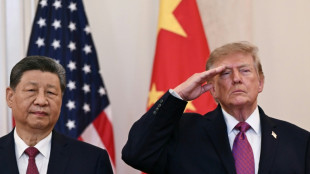 Xi and Trump call for peace in lavish White House state visit
-
Agassi demands proper break for exhausted tennis stars
-
 Five up-and-coming players looking to make mark in Nations League
-
Seixas 'crushes' teammates in training to draw Pogacar comparisons

-
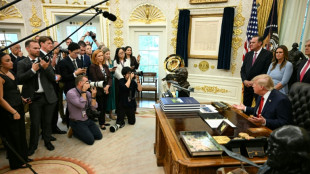 CNN, MS NOW, Politico request court hearing after White House access denied
-
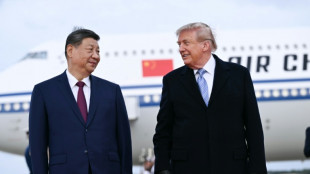
Trump welcomes Xi to White House, touting agreement on AI
-
 Eviction of pensioner puts Spain housing crisis in spotlight
-
Stocks fall, oil prices rise as global bonds back under pressure
-
 CNN, MS NOW, Politico say reporters still barred from White House
-
UK man died putting women, children first in Mozambique jihadist siege: coroner

-
 Udinese sign ex-Real Madrid defender Alaba on free transfer
-
Russell leads Mercedes 1-2 at Azerbaijan GP practice
-
 Trump welcomes Xi to Washington with lavish praise
-
Alcaraz shrugs off pressure of packed calendar at 'joyful' Laver Cup

-
 Kane relishing chance to become England's most-capped player
-
Fury to face British rival Joshua in Cardiff on December 11

-
 Average EU diesel price hits record 2.23 euros a litre: AFP analysis
-
Streamex Converts Interest Into Capital as GLDY Investment Strategy Secures $1M+ Institutional Allocation

-
 Whitetip Investments Marks 10 Years of Regulation, Transparency & Responsible Trading
-
STARTRADER Named Best Fintech Forex Broker at Forex Expo Dubai 2026

-
 Pakistan blocks roads around capital ahead of planned pro-Khan protest
-
Japan swimmer Ohashi, 17, shrugs off Covid to smash world record
-
 Stocks fall, oil prices rise as global bonds under pressure
-
Shin Ohashi: Junk food-loving teen and new world record-holder

-
 Mancini's Italy facing battle to 'win back' dispirited fans
-
Greek PM urges 'courage' in talks with UK over Parthenon Marbles

-
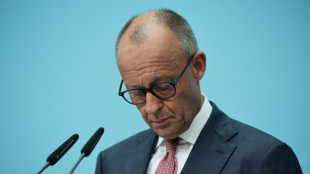 German think tanks urge Merz to stick with reforms after election defeats
-
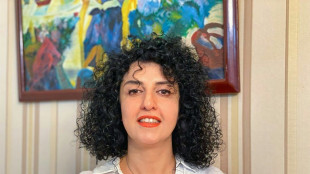
'I was drowning': Iran Nobel winner exposes pain of separation from children
-
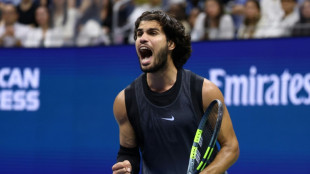 Alcaraz wants end to late-night matches at Grand Slams
-
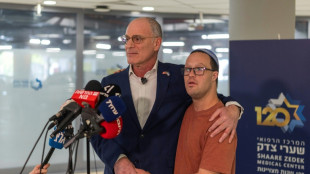
Israel's US envoy says son fighting for life
-
 EU battle over how to define 'Made in Europe'
-
Olympic champion Yulo completes gymnastics gold collection at Asian Games

-
 Eight killed in wave of Russian strikes on Ukraine
-
England cannot imitate Spain's success, says Gordon

EU joins chips race with 43-bn-euro bid to rival Asia
The EU on Tuesday unveiled a plan to quadruple the supply of semiconductors in Europe by 2030, hoping to limit the bloc's dependence on Asia for a key component used in electric cars and smartphones.
The production of chips has become a strategic priority in Europe as well as the United States, after the shock of the pandemic choked off supply, bringing factories to a standstill and emptying stores of products.
The manufacturing of semiconductors overwhelmingly takes place in Taiwan, China and South Korea and the European Union's 27 member states want factories and companies inside the bloc to take on a bigger role.
The highly anticipated EU Chips Act will "mobilise more than 43 billion euros ($49.1 billion) of public and private investments" and "enable the EU to reach its ambition to double its current market share to 20 percent in 2030", the European Commission said.
"We've set ourselves the goal to have 20 percent of the global market share of chips production here in Europe," European Commission President Ursula von der Leyen said.
Getting to that level "means basically quadrupling our efforts" given the huge increase in global demand, she said.
Thierry Breton, the EU's industry commissioner, pressed Europeans to be as ambitious as possible and match similar plans in the United States, where the Biden administration is asking Congress to approve a $52 billion plan.
"Without chips, no digital transition, no green transition, no technological leadership. Securing the supply in the most advanced chips has become an economic and geopolitical priority," he said.
If approved, the EU plans could generate a total of 43 billion euros via existing EU budget money as well as by loosening existing rules on public subsidy from member states.
Eleven billion euros of that will be fresh spending to develop state-of-the-art chips, while the remainder is an estimate of current EU projects and what member states individually are harnessing towards creating a new supply of semiconductors.
The proposal will need the approval of the EU member states and European Parliament, where opinions will vary between the ambitions of industrial heavyweights such as Germany, France and Italy and those of smaller states that are worried about closing off valuable supply chains with Asia.
Critics will also point to a part of the plan, pushed by Breton, to set up an emergency mechanism that could control exports of chips, in the case of a sudden shortage.
- Subsidy race -
Some member states, led by the Netherlands and Nordic nations, will also resist any plan to widen the scope for state aid, with the commission planning to make it easier for EU governments to pump money to chip-makers.
"We don't want to end up in a position with a huge US company getting a bunch of EU money to open a factory in one big member state," an EU diplomat said.
But the pressure on Europe to move quickly is acute, with South Korea also promising huge sums of subsidies to ramp up its chip business.
These payouts will likely dwarf whatever Europe has on offer. In Taiwan, the chip juggernaut TSMC plans to spend between $40 billion and $44 billion just over the coming 12 months on new plants.
With nations eager to boost domestic supply, indications are that manufacturers are shopping around for the best deal as they seek locations for new factories.
Intel, the US-based chip-maker, is on the verge of announcing a major investment in Europe, with big players Germany, France and Italy possible destinations.
CEO Pat Gelsinger told German media his decision not only depended on questions of suitable locations and staffing "but also on the available subsidies to build the factories."
"We have also obtained considerable subsidies for our factories in Asia," Gelsinger said.
T.Bondarenko--BTB