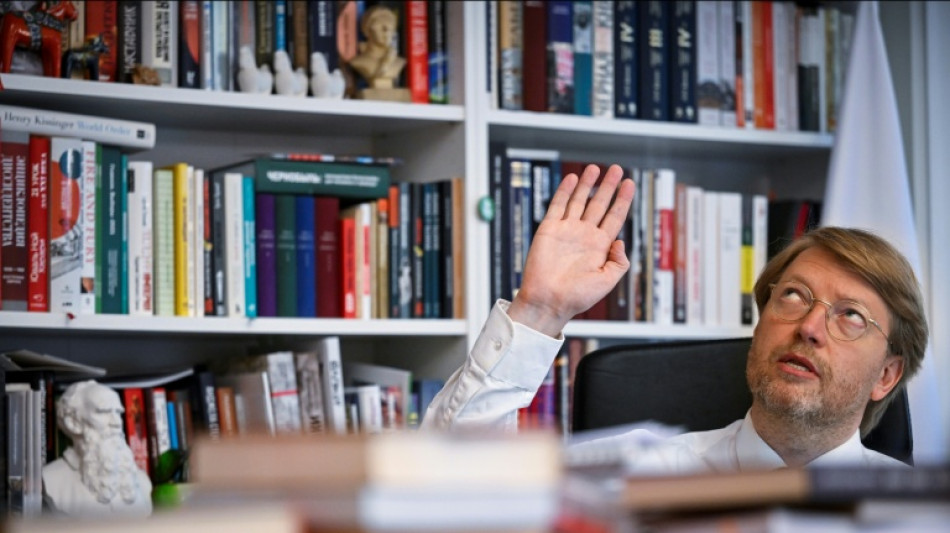
Russia's only anti-war party eyes support boost at elections / Photo: © AFP

 Schoolgirl Yu, 13, fastest again in bid for third Asian Games gold
 Oil prices fall after Trump hails 'good' talks with Iran

 AI political ads warp reality ahead of US midterms
 Kenneth Branagh embraces action hero role -- to get in shape

 'New one' Klopp promises fresh approach as Germany reign begins
 Milne returns to New Zealand squad for India T20 series
 US-led Americas coalition backs sanctions against crime groups
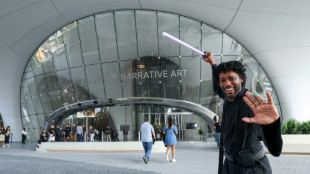 'Star Wars' fans and art lovers line up for new Lucas museum
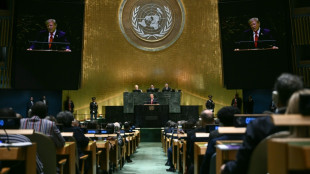 Trump renames AI 'super intelligence' as leaders jostle over dangers
 Oil prices retreat as markets welcome US-Iran talks
 US refusing to give Sudan's de facto leader visa for UN: diplomatic sources, UN
 Macron urges world to choose UN over 'law of the jungle'
 All-rounder Jacks stars as England beat Sri Lanka in 1st ODI

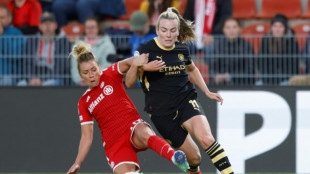 Man City peg back Bayern to start Women's Champions League
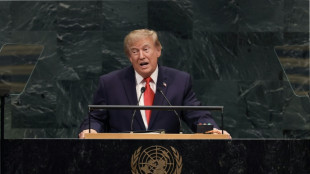 Trump beats 'America first' drum at UN as allies tread carefully
 Snedeker backs Spaun for Ryder Cup after Presidents snub
 French prosecutors probe secret filming of women with smart glasses
 Trump renames AI "super intelligence," rejects international oversight
 Trump rejects international regulation of AI
 How is the EU approaching record fuel prices?

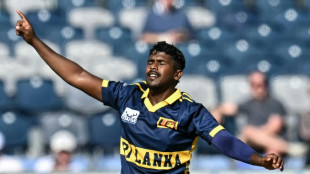 Sri Lanka's Colombage strikes on debut as England dismissed for 265 in first ODI
 Hurricane Polo strengthens to top category 5 off Mexico
 11 hurt as teen opens fire outside school in western Turkey

 UN chief says 'Big Oil' treats atmosphere as open sewer
 Tunisia says 2026 summer hottest on record
Sensing frustration among many Russians towards the Ukraine war, Russia's liberal Yabloko party is hoping to use parliamentary elections this September to raise its profile, casting itself as the only opposition group in favour of a ceasefire.
Elections in Russia are tightly controlled -- every parliamentary vote since 2003 has been won by the ruling "United Russia" party, which supports President Vladimir Putin.
Yabloko is unlikely to win any seats. A poll conducted earlier this year showed it at just three percent support -- short of the five-percent threshold needed to enter Russia's lower house State Duma.
But the party believes the campaign is helping to widen its support base, particularly among young people usually apathetic towards politics, and it has relished the opportunity to push its anti-war message on a national scale.
"If we can bring peace even a single day closer, then our participation in all of this will not have been in vain," party leader Nikolay Rybakov told AFP in Moscow.
Founded in 1993 by a group of pro-Western public officials, Yabloko enjoyed relative success in the years following the post-Soviet collapse. Since 2003 however, it has failed to win seats in the State Duma.
Its leaders are presenting the parliamentary elections in September -- the first since Moscow launched its Ukraine offensive in 2022 -- as "a referendum that will show those in power that millions of Russians are in opposition".
- 'We simply want to live' -
Around 64 percent of Russians are in favour of peace negotiations with Kyiv, a number that rises to 78 percent among people aged 18 to 24, according to a June poll conducted by Russia's Levada Centre -- designated a "foreign agent" by Moscow.
Yabloko is also seeking to tap into widespread anger at internet shutdowns introduced by authorities to counter Ukrainian drone attacks.
The party has received the backing of several exiled opposition figures, including Yulia Navalnaya -- the widow of late opposition leader Alexei Navalny -- both listed as "extremists" in Russia.
But that endorsement could yet stop Yabloko before the vote takes place, with Russia's Supreme Court on Monday to hear a case brought by a nationalist pro-Kremlin party calling for its candidates to be barred.
Efforts to end the nearly four-and-a-half year Ukraine war via diplomacy have so far failed, with Putin pushing hardline territorial demands to end the fighting and ruling out talks with Ukraine's Volodymyr Zelensky.
Speaking to AFP from his office in Moscow, Rybakov said he feared tensions over the conflict -- Europe's deadliest since World War II -- could spiral into a nuclear war.
"Our leading experts say we are closer to a nuclear war than we have ever been," he said.
"Why should anyone else decide whether I live or not? We simply want to live. Give people that chance."
- State scrutiny -
In recent years, Yabloko's members have come under increasing scrutiny for their opposition to the fighting.
The party's deputy leader Maxim Kruglov was jailed for seven years in June over social media posts he made critical of the conflict, while authorities arrested the head of the party's Pskov branch -- Lev Shlosberg -- last year.
Rybakov was himself fined in December for publishing a photo of Navalny on social media -- an act that has barred him from running in the September vote.
Some have viewed Yabloko's participation in the elections with scepticism, arguing the Kremlin is using them to give the impression of plurality.
Andrey Volna, a columnist at the exiled Echo news outlet, speculated that the authorities had so far approved the party's candidacy in order to ensure "mass participation".
Yabloko poses no real threat to Putin, having had "insufficient communication channels" to broadcast its message, independent analyst Konstantin Kalachev told AFP.
But the party has still managed to irritate the authorities.
Rybakov said around 40 party activists were facing prosecution.
Eight members are in custody, including Rybakov's deputy Kruglov.
The party says it is growing.
Once an organisation of forty-somethings, Yabloko "is now on the rise, particularly among the under-20s", the party's social media manager Marijat Ramazanova, 28, told AFP.
Of the around 400 Yabloko candidates standing in the election, including Ramazanova, nearly a third are under 30.
"We want to live in a free and normal country and build our future there," she said.
Frustration over internet restrictions is also driving many young people towards politics, her colleague Ivan Dorofeyev told AFP.
"Living our best years in fear is not normal," said the 26-year-old.
"A good half of Russians share our pacifist stance."
N.Fournier--BTB