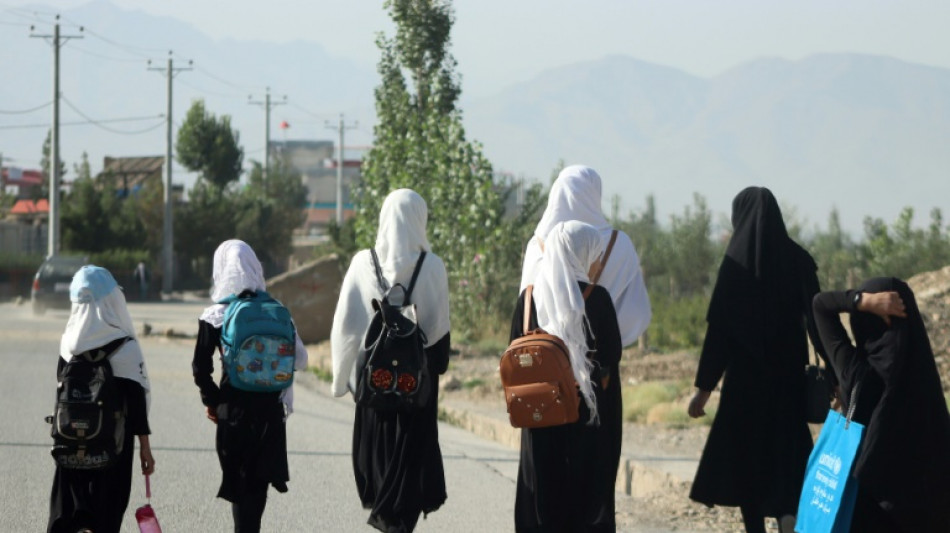
'We are erased': Afghan women demand action at UN / Photo: © AFP/File

 Sooriyabandara, Mendis lead Sri Lanka fightback after follow-on
 With ropes and chants, thousands move Japanese castle
 Zurich Diamond League: five events to watch
 'Black smoke' chokes Pakistan maternity ward as hospital fire kills 14 infants
 French flight attendant wins landmark breast cancer ruling
 Sri Lanka 83-2 after India enforce follow-on in second Test
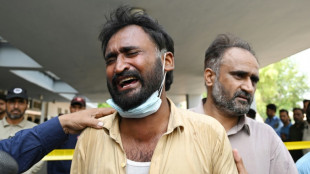 Pakistan hospital fire kills 14 infants

 Iceland to vote on resuming EU talks in close referendum
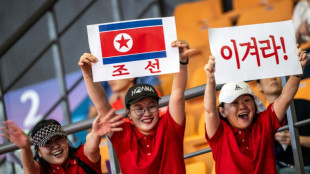 North Korea to 'bring joy' to Kim with 100 athletes at Asian Games
 US LGBTQ community mourns 'diva' Dolly Parton

 England bid to banish booze woes as Pakistan seek self-respect
 High quality, low risk: record number of Japanese in Premier League
 Stocks edge higher as oil drops on fresh Mideast hopes
 Pakistan's girls fight for their place in the boxing ring
 Five things to know about Anthropic ahead of Wall Street debut
 Social media use on the rise among Australian under-16s after ban: data

 BioNxt Advances Cladribine Clinical Program for MS with Completion of the Investigational Medicinal Product Dossier (IMPD) Ahead of Human Clinical Studies
 Williams-Alcaraz fall in US Open mixed quarter-finals

 Mark Carney, the former central banker who said 'no' to Trump
 Segner out of South Africa tour as New Zealand injuries pile up
 Meta knew teen safety tools were ineffective, witnesses testify
 Williams and Alcaraz win opener at US Open mixed doubles
 Man Utd's Fernandes crowned PFA player of the year

 Dolly Parton: quotes on life, love and music

 Brazil fines TikTok $30 mn in 'powerful signal' over child safety

Afghan women made an impassioned plea at the UN Monday for solid international action to address the "gender apartheid" in their country since the Taliban swept to power last year.
"Today, human rights in Afghanistan do not exist," Afghan Mahbouba Seraj told the United Nations Human Rights Council in Geneva.
The outspoken journalist and rights activist said she was "sick and tired" of sounding the alarm over the decimation of the rights of women and girls, especially in Afghanistan, and seeing no action.
The Taliban have imposed harsh restrictions on girls and women to comply with their austere vision of Islam since returning to power in August last year -- effectively squeezing them out of public life.
The hardline Islamists have shut girls' secondary schools in most provinces and barred women from many government jobs.
They have also ordered women to fully cover up in public, ideally with an all-encompassing burqa.
"The women of Afghanistan are now left to the mercy of a group that is inherently anti-women and does not recognise women as human beings," Razia Sayad, an Afghan lawyer and former commissioner at the Afghanistan Independent Human Rights Commission, told the council.
- 'Staggering regression' -
Saraj agreed.
"Women of that country, we don't exist... We are erased," she told the council during a debate focused specifically on the rights of women and girls in Afghanistan.
She appealed to the top UN rights body to take any action possible to improve the situation.
"I'm begging all of you: Please if this council has something to do, do it!" she said, adding that "otherwise, please don't talk about it. Because talking has been ... cheap" when it comes to Afghanistan.
"You've got to do something."
She and others suggested the council could create an independent group of experts to monitor all abuses, with an eye to eventually hold perpetrators to account.
"God only knows what kind of atrocities are not being reported," she warned.
Richard Bennett, the special rapporteur on the rights situation in Afghanistan, also stressed the urgent need to strengthen accountability, suggesting the situation could be described as "gender apartheid."
Earlier Monday, Bennett had presented his first report on the overall rights situation, warning the council that "Afghans are trapped in a human rights crisis that the world has seemed powerless to address."
In addition to the "staggering regression" in the rights of women and girls, he listed a slew of other violations, including the persecution of Hazara and other Shiite minorities.
Afghanistan's Shiite Hazaras have faced persecution for decades, with the Taliban accused of abuses against the group when they first ruled from 1996 to 2001 and picking up again after they swept to power last year.
Bennet said Hazara and other groups have been "arbitrary arrested, tortured, summarily executed, displaced from traditional lands, subjected to discriminatory taxation and otherwise marginalised."
They are also the frequent target of attacks, including by the Taliban's enemy the Islamic State-Khorasan group, which considers them heretics.
"These attacks appear to be systematic in nature and reflect elements of an organisational policy," Bennett told the council, warning that the attacks bear the "hallmarks of international crimes and need to be fully investigated."
International crimes cover the most serious crimes of concern to the global community: war crimes, crimes against humanity and genocide.
The United Nations mission in Afghanistan has accused the Taliban authorities of intimidating and harassing its female staff, including detaining three women for questioning on Monday.
F.Müller--BTB